
Dental problems can sometimes lead to difficult treatment decisions, especially when a dentist recommends either a root canal or tooth removal. Many patients feel anxious when hearing these options, mainly because they associate root canals with pain or believe extraction might be easier. However, modern dentistry offers comfortable and effective solutions that aim to protect your oral health.
If you are researching root canal remove options, it is important to understand how each treatment works and why dentists often recommend saving the natural tooth whenever possible. At Hamilton Dental Group, patients are guided through each treatment option with care and clear information so they can make confident decisions about their dental health.
Understanding Root Canal Treatment
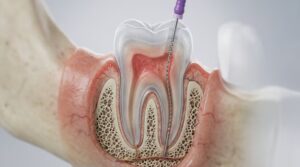
Root canal therapy is a dental procedure designed to treat infection inside a tooth while preserving the natural structure. Inside every tooth is a soft tissue called pulp that contains nerves and blood vessels. When this pulp becomes infected due to deep decay, cracks, or trauma, a root canal procedure may be necessary.
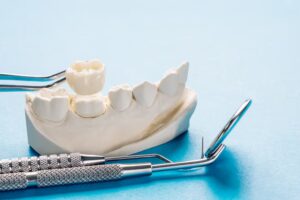
A canal dental procedure removes the infected pulp from the inner chamber of the tooth. After cleaning and disinfecting the area, the dentist seals the tooth to prevent further infection. In most cases, a dental crown is placed afterward to strengthen and protect the treated tooth.
Root canal therapy allows patients to keep their natural teeth while eliminating infection and discomfort. Many people are surprised to learn that modern root canal procedures are straightforward and often similar in comfort to receiving a filling.
What Does Tooth Removal Involve?
Tooth removal, also called extraction, is a procedure where a dentist removes a tooth completely from its socket in the jawbone. Extraction may be recommended when a tooth is too severely damaged to be repaired or when infection has progressed beyond what a root canal can treat.
During the extraction process, the dentist numbs the area with local anesthesia. The tooth is then loosened and removed. Depending on the situation, stitches may be placed to help the area heal properly.
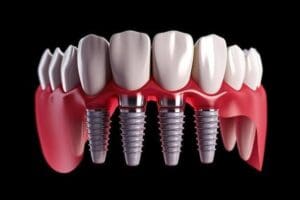
The removal of root canal teeth or severely damaged teeth may also occur if previous treatments have failed or if the tooth structure cannot support restoration. While extraction solves the immediate problem, it often creates the need for replacement options such as implants, bridges, or dentures to restore normal function.
When a Root Canal Is the Better Option
In many situations, dentists prefer root canal therapy because it preserves the natural tooth. Saving the original tooth offers several advantages for long term oral health.
A root canal may be recommended when:
- A tooth has deep decay that has reached the pulp
- Infection or inflammation affects the tooth nerve
- A cracked tooth allows bacteria to enter the pulp
- A deep cavity threatens the internal tooth structure
Canal dental treatment removes infection while maintaining the natural alignment of teeth. Keeping the natural tooth also helps maintain proper chewing ability and prevents surrounding teeth from shifting.
Many patients researching root canal remove treatments are surprised to learn that root canal therapy is designed specifically to avoid removing the tooth.
Situations Where Tooth Removal May Be Recommended
Although dentists prefer to preserve natural teeth whenever possible, there are cases where extraction becomes the safest option.
A dentist may recommend tooth removal if:
- The tooth is severely broken below the gum line
- Infection has destroyed too much of the tooth structure
- Advanced gum disease has weakened the supporting bone
- Previous treatments have failed and the tooth cannot be restored
In some cases, dentists may also need to remove root canal treated teeth if the original treatment cannot be repaired or if a new infection develops, that cannot be successfully treated again.
The goal of extraction is to prevent infection from spreading and to protect overall oral health.
Addressing Common Fears About Root Canal Treatment
One of the biggest reasons patients worry about root canal remove procedures is fear of pain. However, modern dental technology has transformed how these treatments are performed.
Today, root canal therapy is designed to relieve pain rather than cause it. Dentists use advanced anesthesia and precise instruments that allow the procedure to be completed comfortably.
Many patients report that the experience feels similar to getting routine filling. In fact, leaving an infected tooth untreated often causes more discomfort than the procedure itself.
Understanding the process can help patients feel more confident about choosing the right treatment.
Comparing Recovery Between Root Canal and Tooth Removal
Recovery is an important factor when comparing root canal therapy and tooth extraction.
After a root canal procedure, patients may experience mild sensitivity for a few days. This discomfort usually fades quickly and can often be managed over the counter of medication. Most patients return to normal activities shortly after treatment.
Recovery from tooth extraction can take longer because the body must heal the empty socket left behind. Patients may experience swelling, tenderness, and dietary restrictions during the healing process.
The removal of root canal teeth may also require additional procedures later if the patient chooses a dental implant or bridge to replace the missing tooth.
Long Term Oral Health Considerations
Preserving natural teeth plays a significant role in maintaining oral health. When a tooth is removed, nearby teeth can gradually shift toward the empty space. This movement may affect bite alignment and chewing function.
Tooth removal can also lead to gradual bone loss in the jaw over time because the bone no longer receives stimulation from the tooth root.
Root canal therapy avoids these complications by keeping the natural tooth in place. A properly treated tooth can last many years with good oral hygiene and regular dental checkups.
For this reason, dentists often recommend root canal treatment before considering extraction.
How Dentists Decide Between Root Canal and Extraction
Choosing between a root canal and extraction depends on several factors. Dentists carefully evaluate the condition of the tooth and surrounding structures before recommending treatment.
This process usually includes:
- A detailed dental examination
- Digital X rays to assess internal damage
- Evaluation of infection severity
- Assessment of tooth structure and bone support
Dentists also consider the patient’s overall oral health and long-term treatment goals. These factors help determine whether the tooth can be successfully saved with a root canal or if extraction is necessary.
Patients searching for information about root canal remove treatments should always seek professional evaluation to determine the best solution for their situation.
Why Early Treatment Matters
One of the most important lessons in dentistry is that early treatment can prevent more serious problems later. Tooth infections do not heal on their own and can worsen over time.
When treatment is delayed, infection may spread deeper into the tooth or surrounding bone. This can make treatment more complex and increase the likelihood that the tooth will need to be removed.
Regular dental checkups allow dentists to detect problems early. Addressing issues quickly may allow for simpler procedures such as fillings or early root canal therapy instead of more extensive treatments like extraction.
Preventive care and early intervention play a major role in protecting long-term oral health.
Choosing the Best Option for Your Smile
Every dental situation is unique, which is why treatment decisions should always be guided by a professional dental evaluation. Both root canal therapy and tooth extraction have important roles in dental care, but preserving the natural tooth is usually the preferred approach whenever possible.
A root canal procedure eliminates infection while maintaining the tooth structure. Tooth removal is typically recommended only when the tooth cannot be saved or when other treatments are unlikely to succeed.
Understanding the differences between these treatments can help patients feel more comfortable when discussing options with their dentist.
Conclusion
Deciding between a root canal and tooth extraction can feel overwhelming, especially for patients worried about discomfort or long-term outcomes. Learning how each treatment works can help you make a confident and informed decision about your dental care.
Root canal therapy often provides the best solution because it removes infection while preserving the natural tooth. Extraction is sometimes necessary in severe cases, but it usually requires additional treatments to restore the missing tooth.
If you are experiencing tooth pain or have been told you may need a root canal procedure, professional guidance is essential. The experienced team at Hamilton Dental Group is committed to helping patients understand their options and choosing the treatment that best supports long-term oral health. Schedule a consultation today to receive personalized care and take the next step toward a healthier, more comfortable smile.
FAQs
1. Is a root canal better than removing a tooth?
In many cases, a root canal is preferred because it allows the dentist to save your natural tooth. Preserving the tooth helps maintain proper chewing function and prevents nearby teeth from shifting. However, if the tooth is severely damaged, removal may be necessary.
2. Does a root canal procedure hurt?
Modern root canal treatments are usually comfortable. Dentists use local anesthesia and advanced techniques to ensure the procedure is like getting a dental filling. Most patients feel relief from the pain caused by infection after treatment.
3. When do dentists recommend tooth extraction instead of a root canal?
Dentists may recommend extraction if the tooth is too damaged to repair, if infection has spread significantly, or if the tooth structure cannot support restoration. In such cases, removing the tooth protects overall oral health.
4. How long does it take to recover from a root canal or tooth removal?
Recovery after a root canal is typically quick, with mild sensitivity lasting a few days. Tooth extraction may require a longer healing period because the gum and bone need time to recover after the tooth is removed.
5. Can a tooth with a previous root canal be removed later?
In some cases, a previously treated tooth may develop new infection or structural damage. If retreatment is not possible, dentists may recommend the removal of root canal teeth to protect surrounding teeth and gums.