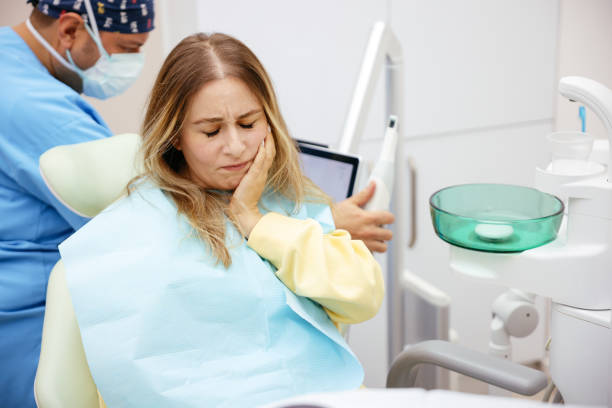
If you are searching for an emergency dentist Hamilton Ohio, chances are you or a loved one is dealing with unexpected dental pain, swelling, bleeding, or a damaged tooth. Dental emergencies rarely happen at a convenient time. They can interrupt your day, affect your sleep, and leave you wondering whether the situation can wait or requires immediate attention.
Many people try to push through dental pain and hope it disappears on its own. Unfortunately, serious dental problems often become worse when left untreated. What starts as a minor ache can develop into an infection, severe discomfort, or even tooth loss. At Hamilton Dental Group, patients frequently seek emergency care after delaying treatment for symptoms that initially seemed minor but gradually became more serious.
Recognizing the warning signs of a true dental emergency can help you protect your oral health, preserve your natural teeth, and avoid more complex treatment in the future. Knowing when to seek urgent dental care can make a significant difference in relieving pain and preventing complications.
What Qualifies as a Dental Emergency?
A dental emergency is any condition involving the teeth, gums, jaw, or surrounding tissues that requires prompt professional attention.
Some emergencies involve severe pain, while others may not hurt immediately but still threaten your long-term oral health.
Common dental emergencies include:
-
Severe tooth pain
-
Knocked out teeth
-
Broken or cracked teeth
-
Dental abscesses
-
Significant swelling
-
Uncontrolled bleeding
-
Lost fillings or crowns causing pain
-
Jaw injuries
-
Gum infections
If you are unsure whether your situation requires immediate attention, contacting an emergency dentist Hamilton Ohio patients rely on is always the safest option.
Severe Tooth Pain That Will Not Go Away
One of the most common reasons people seek urgent dental care Hamilton services is persistent tooth pain.
A mild toothache may result from temporary sensitivity. However, severe pain that continues for hours or worsens over time often signals an underlying problem.
Possible causes include:
-
Advanced tooth decay
-
Deep cavities
-
Infected tooth pulp
-
Cracked teeth
-
Abscesses
-
Gum disease
Pain is your body’s way of alerting you that something is wrong. Ignoring it can allow the condition to progress and lead to more complicated treatment.
Warning Signs That Need Immediate Care
Seek emergency dental attention if you experience:
-
Sharp or throbbing pain
-
Pain that wakes you at night
-
Swelling near the affected tooth
-
Fever accompanying tooth pain
-
Pain while chewing
-
Increased sensitivity to hot or cold temperatures
Swelling Around the Tooth or Face
Facial swelling should never be ignored.
Swelling often indicates infection. In some cases, a dental infection can spread beyond the mouth and affect other areas of the body.
You may notice:
-
Swollen gums
-
Puffy cheeks
-
Tenderness in the jaw
-
Difficulty opening your mouth
-
Pressure around a tooth
When swelling is present, immediate evaluation is important. Prompt treatment can stop the infection from spreading and help preserve the affected tooth.
A Knocked Out Tooth Requires Immediate Action
A knocked out tooth is one of the most time-sensitive dental emergencies.
Whether caused by a sports injury, accident, or fall, acting quickly can significantly improve the chances of saving the tooth.
What to Do Immediately
-
Pick up the tooth by the crown, not the root.
-
Gently rinse it with clean water if dirty.
-
Do not scrub the tooth.
-
Try placing it back into the socket if possible.
-
If that is not possible, store it in milk or saliva.
-
Contact an emergency dentist Hamilton Ohio office immediately.
The sooner treatment begins, the greater the likelihood of successful reattachment.
Cracked or Broken Teeth
A cracked tooth may not seem serious at first, especially if there is little pain. However, even small fractures can expose sensitive inner structures and increase the risk of infection.
You may experience:
-
Sharp pain when biting
-
Sensitivity to temperature
-
Visible cracks
-
Chipped pieces of enamel
-
Intermittent discomfort
Delaying treatment can allow the crack to deepen and potentially lead to tooth loss.
Why Immediate Treatment Matters
Prompt treatment may help:
-
Prevent infection
-
Reduce pain
-
Preserve natural tooth structure
-
Avoid more extensive procedures
Dental Abscesses Are Serious Infections
A dental abscess is a pocket of infection that develops around a tooth or gum tissue.
This condition requires immediate professional care because infections can spread rapidly.
Common symptoms include:
-
Severe toothache
-
Swollen gums
-
Bad taste in the mouth
-
Fever
-
Facial swelling
-
Pus drainage
-
Tender lymph nodes
An abscess will not resolve without treatment. Seeking urgent dental care Hamilton patients trust can help prevent complications.
Uncontrolled Bleeding After Dental Trauma
Some bleeding is normal after minor oral injuries. However, continuous bleeding should be treated as a dental emergency.
Causes may include:
-
Sports injuries
-
Falls
-
Gum trauma
-
Tooth extractions
-
Accidents involving the mouth
Apply gentle pressure with clean gauze while seeking immediate dental attention.
Lost Crowns, Fillings, or Dental Restorations
While not every lost restoration requires same-day treatment, some situations become urgent.
A lost crown or filling can expose sensitive tooth structures and cause significant pain.
You should contact a dentist promptly if you experience:
-
Sharp pain
-
Sensitivity
-
Difficulty chewing
-
Exposed tooth surfaces
-
Broken restorations
Quick treatment helps prevent further damage and discomfort.
Signs of a Tooth Infection You Should Never Ignore
Many dental emergencies begin as infections that gradually worsen.
Recognizing symptoms early can prevent serious complications.
Common Dental Emergency Symptoms
Watch for:
-
Persistent toothache
-
Gum swelling
-
Bad breath that will not improve
-
Pain while eating
-
Pus near the gums
-
Fever
-
Facial swelling
-
Sensitivity to pressure
These symptoms often indicate an infection that requires professional treatment.
When Children Need Emergency Dental Care
Dental emergencies can affect patients of all ages.
Children frequently experience:
-
Chipped teeth
-
Knocked out teeth
-
Sports injuries
-
Playground accidents
-
Severe toothaches
Parents should seek immediate evaluation when a child experiences significant pain, swelling, or trauma involving the teeth or mouth.
Early intervention can protect developing teeth and support proper oral development.
How an Emergency Dentist Hamilton Ohio Can Help
An emergency dental visit focuses on relieving pain, diagnosing the issue, and preventing further complications.
Treatment may include:
-
Dental examinations
-
Digital X-rays
-
Infection treatment
-
Temporary restorations
-
Root canal therapy
-
Emergency tooth extraction
-
Crown repair
-
Trauma management
The specific treatment depends on the cause and severity of the emergency.
Preventing Future Dental Emergencies
Although accidents cannot always be avoided, many emergencies are preventable.
Consider these proactive steps:
Maintain Regular Dental Visits
Routine examinations help identify small issues before they become emergencies.
Wear a Mouthguard
Athletes should wear properly fitted mouthguards during sports activities.
Avoid Using Teeth as Tools
Opening packages or biting hard objects can lead to fractures and chips.
Address Minor Dental Issues Early
Small cavities and cracks often become larger problems when ignored.
Practice Good Oral Hygiene
Daily brushing and flossing reduce the risk of infections and decay.
When You Should Call an Emergency Dentist Immediately
Contact an emergency dentist as soon as possible if you experience:
-
Severe tooth pain
-
Facial swelling
-
A knocked out tooth
-
A cracked or broken tooth
-
Bleeding that will not stop
-
Signs of infection
-
Dental trauma
-
Sudden jaw pain
Prompt treatment often means simpler solutions, faster relief, and a better chance of preserving your natural teeth.
Final Thoughts
Dental emergencies rarely provide advance warning. Whether you are dealing with severe tooth pain, swelling, a broken tooth, or a knocked out tooth, timely care can make a significant difference in your outcome.
Ignoring dental emergency symptoms may lead to worsening pain, infection, and more extensive treatment needs. If you are experiencing discomfort or trauma involving your teeth, seeking help from an emergency dentist Hamilton Ohio patients trust is often the fastest path toward relief and recovery.
At Hamilton Dental Group, we understand that dental emergencies can be stressful and uncomfortable. Our team is committed to providing prompt, compassionate care to help relieve pain and address the underlying issue as quickly as possible. If you are experiencing a dental emergency, do not wait for symptoms to worsen. Contact Hamilton Dental Group today to schedule an emergency appointment and get the care you need to protect your smile and oral health.
Frequently Asked Questions
1. How do I know if my tooth pain is an emergency?
If the pain is severe, persistent, accompanied by swelling, fever, or difficulty eating, you should seek immediate dental care.
2. Can a dental infection go away on its own?
No. Dental infections typically require professional treatment. Delaying care may allow the infection to spread.
3. What should I do if my tooth gets knocked out?
Handle the tooth by the crown, rinse it gently, keep it moist, and seek emergency dental treatment immediately.
4. Is a cracked tooth considered a dental emergency?
Yes. Even small cracks can worsen over time and expose the tooth to infection or further damage.
5. Can I visit an emergency dentist for swelling?
Yes. Swelling often indicates infection and should be evaluated promptly.
6. What if my crown falls off?
Contact your dentist as soon as possible, especially if the exposed tooth is painful or sensitive.