
Introduction
Many people experience recurring headaches without realizing that the source may be connected to their dental health. While stress, dehydration, and lifestyle factors are common causes of head discomfort, issues involving the teeth, jaw joints, and surrounding muscles can also contribute to ongoing pain. At Hamilton Dental Group, patients often learn that their oral health can play an important role in their overall well-being. For some individuals, headaches from TMJ develop because the jaw joint and related muscles become strained, irritated, or misaligned.
Understanding the connection between dental problems and headaches can help patients find answers when typical solutions do not provide lasting relief. Conditions such as teeth grinding, bite problems, jaw tension, and temporomandibular joint disorders may affect more than the mouth. They can create discomfort that spreads to the temples, face, neck, and head.
How Dental Problems Can Lead to Headaches
The mouth and jaw contain a complex network of muscles, nerves, and joints that work together every day. When something affects this system, the impact can extend beyond the teeth.
The temporomandibular joints, commonly known as TMJs, connect the lower jaw to the skull. These joints allow you to speak, chew, and move your jaw comfortably. When they become irritated or overloaded, they may contribute to pain that feels like a headache.
Several dental-related issues can increase the risk of head discomfort, including:
- Teeth grinding that places continuous pressure on jaw muscles during sleep or periods of stress.
- An uneven bite that causes the jaw muscles to work harder to maintain proper movement.
- Damaged or missing teeth that change the way pressure is distributed while chewing.
- Jaw injuries or inflammation that affect joint movement and surrounding tissues.
- Dental infections that create pain signals affecting nearby areas of the face and head.
Because dental-related headaches can feel similar to other types of headaches, identifying the underlying cause is an important step toward effective care.
Understanding the Connection Between TMJ and Head Pain
TMJ disorders can affect the muscles responsible for jaw movement. When these muscles remain tense for long periods, they may create pain that spreads to areas around the forehead, temples, ears, and neck.
Some patients describe their discomfort as pressure, aching, or tightness around their head. Others may notice clicking sounds in the jaw, difficulty opening the mouth fully, or soreness when chewing.
The relationship between TMJ problems and headaches is often linked to muscle strain and nerve sensitivity. Since the jaw muscles are closely connected with facial structures, tension in this area can influence how pain is experienced throughout the head.
Can Dental Issues Trigger Migraines?
The relationship between dental health and migraines of dental concerns is an area that many patients explore when searching for answers to recurring pain. While migraines can have many different triggers, jaw tension and oral health problems may contribute to discomfort for some individuals.
A strained jaw can increase muscle tension around the face and head. For people who are already prone to migraines, this additional tension may make symptoms feel more intense or frequent.
Common signs that dental factors may be connected to migraine-like symptoms include:
- Head discomfort that appears alongside jaw soreness or facial tension.
- Increased pain after waking up due to nighttime teeth grinding.
- Sensitivity around the jaw, temples, or areas near the ears.
- Symptoms that improve after addressing dental concerns or reducing jaw strain.
A dental evaluation can help determine whether oral health factors may be contributing to ongoing discomfort.
Signs Your Headaches May Be Related to Dental Problems
Not every headache is caused by a dental issue. However, certain patterns may suggest that your teeth, bite, or jaw could be involved.
Pay attention to symptoms such as:
- Jaw pain that occurs with headaches or facial discomfort.
- Clicking, popping, or stiffness when moving the jaw.
- Teeth that feel sensitive or worn down from grinding.
- Frequent tension around the temples or cheeks.
- Changes in how your teeth come together when biting.
- Difficulty chewing certain foods because of jaw discomfort.
When these symptoms appear together, a dental professional can assess whether there is a connection between your oral health and your headaches.
The Role of Teeth Grinding in Jaw Pain Headaches
Teeth grinding, also called bruxism, is one of the most common dental factors linked with jaw discomfort. Many people grind or clench their teeth without being aware of it, especially during sleep.
This habit can place excessive pressure on the teeth and jaw muscles. Over time, it may lead to worn teeth, muscle fatigue, and discomfort that extends beyond the mouth.
Jaw pain headaches caused by muscle strain may feel different from typical headaches. Some people experience a dull ache near the temples, while others feel tightness around the face or stiffness after waking.
Addressing teeth grinding early can help protect the teeth and reduce stress on the jaw joint.
Treatment Options for TMJ-Related Discomfort
The right approach depends on the cause and severity of the problem. A dental professional can evaluate your symptoms and recommend a personalized plan.
Common TMJ treatment approaches may include:
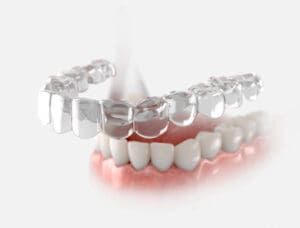
- Custom oral appliances that help reduce pressure from teeth grinding and support jaw alignment.
- Bite adjustments when uneven tooth contact contributes to discomfort.
- Relaxation techniques and lifestyle changes that reduce jaw tension.
- Dental restorations that improve chewing balance and function.
- Professional guidance for managing inflammation and protecting the jaw joint.
The goal of treatment is not only to reduce symptoms but also to support healthier jaw movement and long-term oral function.
How Dental Care Supports Overall Health
Oral health is closely connected with many aspects of daily life. Pain in the mouth or jaw can affect sleep quality, concentration, eating habits, and overall comfort.
Addressing dental concerns early may help prevent minor issues from becoming more complicated. Regular dental visits allow professionals to identify signs of grinding, tooth wear, bite concerns, and other conditions before they significantly affect your quality of life.
Hamilton Dental Group focuses on helping patients understand their dental health and how it may influence their overall comfort and well-being. A thorough evaluation can provide clarity for those experiencing unexplained headaches or jaw discomfort.
When Should You Seek Dental Advice?
If headaches continue frequently, interfere with daily activities, or occur alongside jaw symptoms, it may be worth discussing your concerns with a dental professional.
You should consider scheduling an evaluation if you experience:
- Persistent jaw discomfort or stiffness.
- Frequent headaches without a clear explanation.
- Pain while chewing or opening your mouth.
- Signs of teeth grinding, such as worn teeth or morning soreness.
- Changes in your bite or jaw movement.
Finding the source of your discomfort can make it easier to choose the right treatment and improve your comfort over time.
Frequently Asked Questions
Can dental problems really cause headaches?
Yes, dental problems can contribute to headaches in some people. Issues such as teeth grinding, jaw tension, bite problems, and TMJ disorders may strain the muscles around the jaw and face, creating pain that can spread to the temples, forehead, and neck.
How do I know if my headache is related to TMJ?
A headache may be related to TMJ if it occurs along with jaw soreness, clicking or popping sounds, difficulty opening your mouth, facial tension, or discomfort while chewing. A dental evaluation can help determine whether your jaw joint or bite may be contributing to your symptoms.
What are common symptoms of TMJ-related headaches?
Common symptoms may include pressure around the temples, jaw pain, facial soreness, ear discomfort, jaw stiffness, and headaches that feel worse after waking up. Some people also notice increased symptoms during periods of stress or after prolonged jaw use.
Can teeth grind cause migraines or severe headaches?
Teeth grinding can increase muscle tension in the jaw and face, which may contribute to headache symptoms. For individuals who experience migraines, additional jaw strain may act as a contributing factor that makes discomfort more noticeable.
What treatments can help with TMJ-related headaches?
Treatment depends on the cause of the problem. Options may include custom dental appliances, bite adjustments, stress management techniques, and other TMJ treatment approaches recommended after a professional evaluation.
Are headaches from TMJ permanent?
TMJ-related headaches are not always permanent. Many patients experience improvement when the underlying cause is identified and properly managed. Early evaluation can help prevent symptoms from becoming more difficult to control.
Final Verdict
Dental issues can affect much more than your smile. Problems involving the jaw joints, teeth alignment, and muscle tension may contribute to headaches, facial discomfort, and reduced daily comfort. Recognizing the connection between oral health and head pain can help patients seek appropriate care instead of managing symptoms alone.
If you are experiencing ongoing headaches, jaw tension, or signs of TMJ concerns, a professional dental evaluation can help identify possible causes and solutions. Take the next step toward better oral health and improved well-being by choosing expert guidance and book your consultation today.