Bleeding gums and persistent bad breath can be early warnings that something is wrong with your oral health. In many cases, these symptoms are linked to plaque buildup and gum inflammation, but they can also signal developing gum disease that needs professional care. Improving daily oral hygiene may help mild irritation, while ongoing symptoms should be evaluated by a dentist. At Hamilton Dental Group, recognizing these warning signs early can help patients protect their gums and prevent more serious dental problems.
Why Do Gums Bleed and Breath Smell Bad?
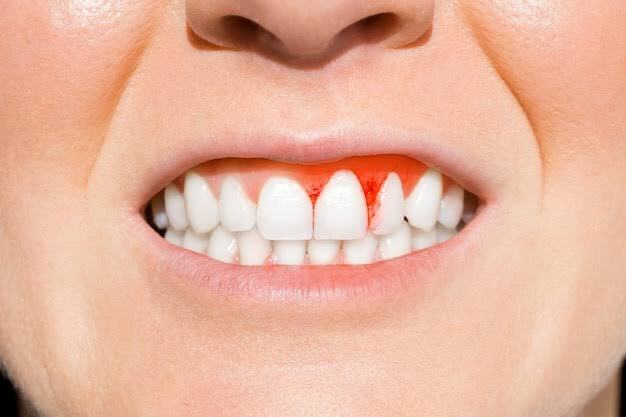
Healthy gum tissue generally does not bleed during routine brushing or flossing. Bleeding can occur when plaque, a sticky layer of bacteria, collects around the gumline and triggers inflammation. As the gums become irritated, they may appear red, swollen, tender, or more likely to bleed.
Persistent bad breath can have a similar connection. Oral bacteria can break down food particles and release unpleasant-smelling compounds. If plaque and bacteria remain around the teeth and gums, the odor may continue even after brushing.
The combination of bleeding gums and ongoing bad breath deserves attention because both can occur during the early stages of gum disease. Acting early may prevent inflammation from progressing into deeper infection and tissue damage.
What Are the Early Signs of Gum Disease?
Gum disease often develops gradually, so the first symptoms can be easy to dismiss. Gingivitis, the earliest form, involves inflammation of the gums and is commonly caused by plaque buildup. At this stage, the condition can often be managed with improved oral hygiene and professional dental care.
Common gum disease symptoms include:
Gums that bleed during brushing or flossing
Red, swollen, or tender gum tissue
Persistent bad breath or an unpleasant taste
Gums that appear to pull away from the teeth
Changes in how teeth fit together when biting
As gum disease progresses, the infection can affect the tissues and bone that support the teeth. This more advanced condition, called periodontitis, can cause gum recession, loose teeth, and eventual tooth loss.
Bleeding should not be considered a normal part of brushing. It can be a sign that the gum tissue needs attention.
How Are Bleeding Gums and Bad Breath Connected?
The connection often begins with plaque. Plaque contains bacteria that collect on tooth surfaces and around the gumline. Without regular removal, it can harden into tartar, which cannot be completely removed with a toothbrush alone.
Bacteria trapped in plaque and tartar can irritate the gums and contribute to inflammation. The same bacterial activity can contribute to unpleasant breath.
This creates a cycle that can continue without obvious pain. A person may have inflamed gums and noticeable breath odor while feeling little or no discomfort. That is one reason routine dental examinations matter even when the mouth does not hurt.
What Should Healthy Gums Look Like?
Healthy gums are usually firm, fit closely around the teeth, and have a consistent pink appearance that can vary naturally among individuals. They should not routinely swell, bleed, or feel painful during normal brushing and flossing.
Changes in gum appearance can provide useful clues about oral health. Gums that look unusually red or puffy may be inflamed. Receding gums can expose more of the tooth and sometimes make teeth appear longer. Persistent tenderness or bleeding also deserves attention.
Keeping healthy gums requires more than brushing alone. Cleaning between the teeth is essential because toothbrush bristles cannot adequately reach every area where plaque accumulates.
Common Causes Beyond Plaque
Plaque-related inflammation is one of the most common reasons for gum bleeding, but other factors can contribute.
Brushing too aggressively can injure gum tissue, particularly when a hard-bristled toothbrush is used. Poorly fitting dental appliances, certain medications, hormonal changes, smoking, and some systemic health conditions may also affect gum health or bleeding.
Nutritional deficiencies are another possible factor, although they are not the most common explanation for bleeding gums. Frequent or unexplained bleeding should be discussed with a dental professional rather than treated only with home remedies.
A dentist can examine the gums, check for plaque and tartar, measure gum pockets when needed, and determine the likely cause.
Can Bad Breath Mean You Have Gum Disease?
Persistent bad breath can be associated with gum disease, but it does not automatically mean that gum disease is present. Halitosis can also result from dry mouth, food debris, tongue bacteria, tobacco use, certain foods, dental infections, or other oral and medical conditions.
The term bad breath halitosis refers to an unpleasant odor from the mouth that persists or repeatedly returns. If brushing, flossing, tongue cleaning, and adequate hydration do not resolve the problem, a dental examination can help identify the source.
A persistent odor accompanied by bleeding, swollen gums, gum recession, or loose teeth is particularly worth discussing with a dentist.
What Can You Do to Stop Gum Bleeding?
The first step is consistent, gentle oral hygiene. Brush twice a day using a soft-bristled toothbrush and fluoride toothpaste. Clean between your teeth daily with dental floss or another interdental cleaning method recommended by your dentist.
Do not stop cleaning an area simply because it bleeds. If inflammation is causing the bleeding, removing plaque regularly can help the gums become healthier. However, heavy, frequent, or persistent bleeding should not be managed solely at home.
Professional dental cleanings are also useful because tartar cannot be removed effectively with ordinary brushing. Your dentist or dental hygienist can remove hardened deposits and provide guidance based on your gum health.
Bleeding From Brushing vs. A Dental Warning Sign
Sign | Possible explanation | What to do |
|---|---|---|
Occasional mild bleeding after restarting flossing | Gum inflammation from plaque buildup | Continue gentle daily cleaning and monitor improvement |
Bleeding that happens regularly | Gingivitis or another gum problem | Schedule a dental examination |
Bleeding with swelling and persistent bad breath | Possible active gum inflammation or infection | Arrange professional dental care |
Bleeding with loose teeth or gum recession | Possible advanced periodontal disease | Seek prompt dental evaluation |
Heavy or unexplained bleeding | Possible dental or medical issue | Contact a dental professional |
This comparison is not a diagnosis. A dental examination is needed to identify the actual cause.
How Can You Prevent Gum Problems?
Preventing gum disease starts with habits that remove plaque before it has time to accumulate around the teeth.
Brush for about two minutes twice a day, clean between the teeth once daily, and keep regular dental appointments. Pay particular attention to the gumline, where plaque can remain hidden even when the visible surfaces of the teeth look clean.
A balanced diet and adequate water intake also support oral health. Limiting tobacco exposure is important because tobacco can increase the risk of gum disease and make it harder for damaged gum tissues to heal.
Regular professional examinations can identify inflammation, tartar buildup, gum pockets, recession, and other changes before they become more difficult to manage.
When Should You See a Dentist?
A short episode of bleeding after changing your flossing routine may improve as your gums become accustomed to regular cleaning. Persistent symptoms are different.
Make a dental appointment if your gums continue to bleed, appear swollen or red, or feel tender. Persistent bad breath, a recurring bad taste, gum recession, pus around the gums, loose teeth, or pain also warrants professional evaluation.
Prompt care is especially important if symptoms are becoming more frequent or severe. Gum disease can progress without significant pain, so waiting for discomfort is not a reliable way to judge the seriousness of a problem.
What Happens During a Gum Health Examination?
A dental examination usually begins with a review of your symptoms and oral health history. The dentist examines the teeth and gums for inflammation, plaque, tartar, recession, infection, and other abnormalities.
Depending on the findings, the dentist may measure the spaces between the gums and teeth. Deeper periodontal pockets can indicate that gum disease has progressed beyond simple gingivitis. Dental X-rays may also be recommended when the dentist needs to assess the supporting bone.
Treatment depends on the cause and severity. Mild gingivitis may improve with professional cleaning and better home care. More advanced periodontal disease may require deeper periodontal cleaning and ongoing periodontal treatment.
Frequently Asked Questions
Is it normal for gums to bleed when brushing?
No. Occasional bleeding can occur when someone has recently started flossing or has irritated the gums, but regular bleeding should be evaluated. It is often associated with gum inflammation caused by plaque.
Can bad breath be caused by gum disease?
Yes. Bacteria associated with plaque and gum inflammation can contribute to persistent unpleasant breath. However, halitosis can have several other causes, so persistent odor should be professionally evaluated.
How long does it take for inflamed gums to heal?
Mild gum inflammation may improve after consistent plaque removal and professional cleaning, but the timeframe varies. If bleeding continues despite improved oral hygiene, a dentist should examine the gums.
Can gingivitis go away on its own?
Gingivitis can often be reversed with effective plaque control and professional dental care. Leaving the condition untreated can allow it to progress into periodontitis, which can damage the tissues and bone supporting the teeth.
Should I keep flossing if my gums bleed?
Generally, gentle daily cleaning between the teeth should continue because removing plaque helps reduce inflammation. If bleeding is heavy, persistent, or accompanied by other symptoms, seek advice from a dentist.
What is the difference between gingivitis and periodontitis?
Gingivitis is inflammation of the gums without the tissue and bone destruction associated with periodontitis. Periodontitis is a more advanced form of gum disease that can damage the structures supporting the teeth and may lead to tooth loss if untreated.
Protect Your Gums Before the Problem Grows
Bleeding gums and persistent bad breath are signals worth paying attention to, even when there is no significant pain. In many cases, they are linked to plaque-related gum inflammation that can be addressed with better daily care and professional treatment.
Healthy gums are easier to maintain when problems are identified early. If bleeding continues, breath odor persists, or you notice swelling, recession, loose teeth, or other changes, professional evaluation can help determine what is happening and what treatment is appropriate.
If you have noticed these symptoms recently, schedule an appointment today rather than waiting for them to become more severe. Early attention can make gum problems easier to manage and help protect the teeth and supporting tissues for the long term.