A dental bridge can start to fail because of problems affecting the supporting teeth, gums, or the bridge itself. Dental bridge problems may appear as looseness, pain under the bridge, food getting trapped, gum inflammation, decay under the bridge, or visible structural damage. Early evaluation can help identify the cause and determine if the bridge can be repaired or needs replacement. Hamilton Dental Group can assess the supporting teeth and surrounding tissues before recommending the next step.
Why a Dental Bridge Can Fail
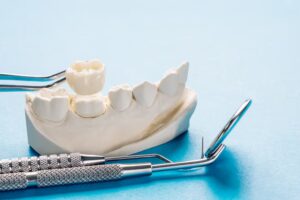
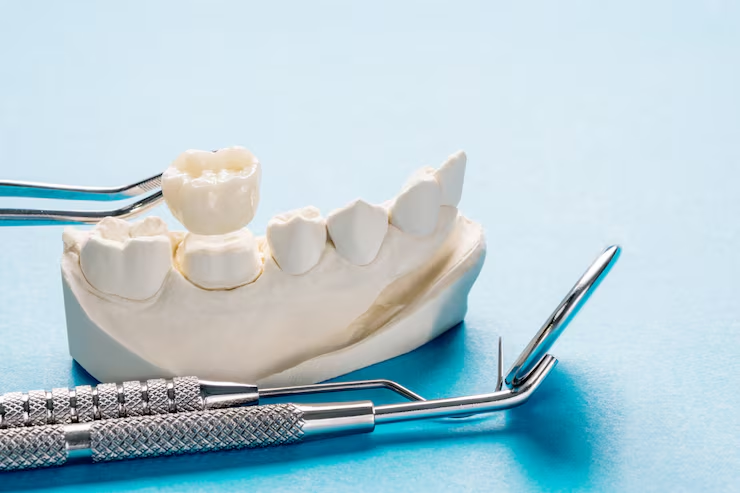
A dental bridge replaces one or more missing teeth by using nearby teeth, known as abutment teeth, for support. The artificial tooth or teeth sit between these supporting structures and restore part of the appearance and function of the smile.
The bridge itself may remain intact while trouble develops underneath it. This is one reason regular dental examinations matter for people who have bridges. The supporting teeth can develop decay, cracks, gum problems, or changes in their structure that affect the stability of the restoration.
A failing dental bridge can involve one problem or several at the same time. Common causes include:
- Decay around or underneath a supporting tooth
- Gum inflammation or periodontal disease
- A loose crown or cement failure
- Cracks or fractures in an abutment tooth
- Excessive biting pressure or grinding
- Poor oral hygiene around difficult-to-clean areas
- Food trapping beneath the bridge
- Wear or damage to the bridge material
A bridge that feels slightly different from before deserves attention, even if there is little or no pain.
Signs That a Dental Bridge May Be Failing
Some problems are easy to notice, while others develop quietly. Watch for changes in how the bridge feels, looks, or functions.
1. The Bridge Feels Loose
A loose dental bridge may move slightly when you bite, chew, or touch it with your tongue. Looseness can occur because the cement holding the restoration has weakened, but it can also result from a problem with one of the supporting teeth.
A loose bridge should not simply be glued back into place without identifying the cause. If decay or a fracture has weakened an abutment tooth, replacing the cement alone will not address the underlying problem.
2. Pain Under the Bridge
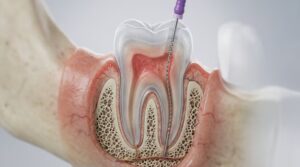
Pain under bridge areas can have several causes. A supporting tooth may have developed decay, a crack, inflammation of the dental pulp, or infection. Gum tissue beneath or around the bridge can also become irritated.
Pain while biting can be particularly useful information for a dentist because it may indicate pressure-related problems, a damaged supporting tooth, or an issue with the way the bridge contacts opposing teeth.
Persistent sensitivity to hot or cold, spontaneous tooth pain, or swelling deserves prompt dental assessment.
3. Food Keeps Getting Trapped
Food trapping beneath a bridge can be more than a minor inconvenience. Repeated accumulation of food and plaque can irritate the gums and increase the risk of decay around supporting teeth.
Changes in the fit of the bridge can create spaces that were not present previously. A new or worsening tendency for food to collect around one area can therefore signal a problem with the restoration or the tissues beneath it.
Cleaning under a bridge requires appropriate tools and techniques. Depending on the design, a dentist or hygienist may recommend floss threaders, interdental brushes, or other cleaning aids.
4. Decay Develops Around a Supporting Tooth
Decay under bridge restorations can be difficult to spot because part of the tooth is covered. Decay may develop along the margin where the bridge meets the natural tooth, particularly when plaque remains around the restoration.
A dentist may use a clinical examination and dental X-rays to assess areas that cannot be seen directly. If decay is detected early, the treatment may be less extensive than it would be after significant structural damage.
5. Gums Become Red, Swollen, or Tender
Inflamed gums around a bridge can result from plaque buildup, food trapping, an over-contoured restoration, or periodontal disease.
Bleeding during cleaning should not automatically be dismissed as a normal effect of having a bridge. Persistent bleeding, swelling, tenderness, or changes in gum shape should be evaluated.
Healthy gum tissue provides an important foundation around the supporting teeth. If periodontal disease affects those teeth, the stability of the bridge can also be compromised.
The Supporting Teeth Matter Most
The biological health of the abutment teeth is one of the most overlooked factors in bridge failure.
A bridge can look intact from the outside while an underlying supporting tooth becomes weakened. A tooth that originally provided strong support may lose structure because of decay, a fracture, or extensive previous dental treatment.
Dentists typically assess:
- The supporting teeth: The dentist checks for decay, cracks, mobility, sensitivity, and structural damage.
- The gums and bone: Periodontal health can affect the stability of the supporting teeth.
- The bridge margins: The edges are examined for gaps, wear, leakage, or other changes.
- The bite: Excessive force or uneven contact may contribute to damage or loosening.
- The surrounding area: Food trapping and plaque accumulation can reveal problems with fit or hygiene.
This assessment helps determine if the existing restoration can remain in place or if a different treatment is needed.
What Happens If the Bridge Is Broken?
A broken dental bridge may involve a fracture of the artificial tooth, a supporting crown, or another part of the restoration. The appropriate treatment depends on the location and extent of the damage.
Minor damage may sometimes be repaired. A bridge with significant structural damage may need to be replaced. If one of the supporting teeth is severely compromised, the treatment plan may also need to address that tooth before a new restoration is placed.
Do not attempt to repair a broken bridge with household adhesives. They can interfere with professional treatment and may damage oral tissues.
Can a Failing Bridge Be Saved?
A failing dental bridge does not automatically mean that the entire restoration must be removed permanently. Treatment depends on what caused the failure.
Possible approaches include:
- Removing and recementing a bridge when the supporting teeth remain healthy and the restoration is suitable
- Treating early decay on a supporting tooth
- Providing periodontal treatment when gum disease contributes to instability
- Treating an infected tooth when it can be predictably restored
- Repairing limited damage to the bridge
- Replacing the bridge when its fit, structure, or supporting teeth are no longer suitable
A dentist needs to evaluate the restoration and supporting tissues before selecting an option.
Bridge Replacement or Dental Implant?
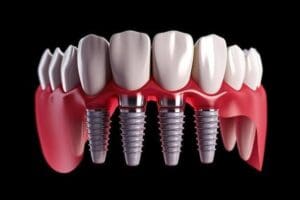
When a bridge can no longer provide a predictable long-term result, tooth replacement options may need to be reconsidered. The choice between a new bridge and an implant depends on factors such as the condition of neighboring teeth, available bone, gum health, overall oral health, and treatment goals. Hamilton patients comparing bridge and implant options can review the differences between these treatments to see how each approach replaces a missing tooth and affects the surrounding teeth.
| Factor | Bridge Replacement | Dental Implant |
|---|---|---|
| Support | Uses neighboring teeth | Uses an implant placed in the jawbone |
| Effect on adjacent teeth | Supporting teeth are involved | Adjacent healthy teeth generally do not need to support the replacement tooth |
| Surgery | Usually does not require implant surgery | Requires surgical implant placement |
| Bone requirements | Does not depend on implant placement | Adequate bone volume and quality are generally needed |
| Cleaning | Requires cleaning beneath the bridge | Allows cleaning around an individual implant-supported crown |
| Treatment timeline | Often shorter | Usually requires multiple treatment stages and healing |
| Suitability | Depends heavily on the condition of supporting teeth | Depends on bone, gum health, medical factors, and other clinical considerations |
Neither option is automatically appropriate for every patient. A dental examination is needed to determine which treatment fits the condition of the teeth and supporting tissues.
How Patients Can Reduce the Risk of Bridge Problems
A bridge requires daily care just like natural teeth. Good maintenance cannot prevent every complication, but it can reduce plaque accumulation and help problems get identified earlier.
Helpful habits include:
- Brush twice daily with fluoride toothpaste.
- Clean underneath the bridge every day using the method recommended by your dental team.
- Clean carefully around the gumline and supporting teeth.
- Attend routine dental examinations.
- Have professional cleanings as recommended.
- Tell your dentist about new sensitivity, looseness, bleeding, or food trapping.
- Avoid using the bridge to bite very hard objects.
- Follow recommended care if you grind or clench your teeth.
Regular examinations are particularly useful because decay and changes around supporting teeth may develop before noticeable symptoms appear.
When Should You See a Dentist?
A bridge that has become loose, painful, swollen, or damaged should be examined rather than monitored indefinitely. Prompt evaluation becomes especially important if symptoms include facial swelling, significant pain, fever, drainage, or difficulty swallowing.
A dentist can determine if the problem involves the bridge, an abutment tooth, the gums, or a combination of these factors.
Patients should also arrange an examination if the bridge simply feels different. A small change in fit can sometimes be an early sign of a larger problem.
Frequently Asked Questions
Can a loose dental bridge be fixed?
Sometimes. A dentist first needs to identify why the bridge became loose. If the supporting teeth and restoration remain suitable, the bridge may be recemented. Decay, fractures, gum disease, or significant structural damage may require additional treatment or replacement.
Is pain under a bridge always a sign of failure?
No. Pain can have several causes, including gum irritation, decay, infection, a damaged supporting tooth, or excessive biting pressure. Persistent or worsening pain should be evaluated to determine its source.
Can decay develop under a dental bridge?
Yes. Decay can develop around the margins of supporting teeth and in areas that are difficult to clean. Because the bridge covers part of the teeth, some decay may not be visible without a dental examination and appropriate imaging.
How long can a dental bridge last?
The lifespan of a bridge varies based on the materials used, oral hygiene, bite forces, gum health, supporting teeth, and regular dental care. A bridge that develops problems may need attention before its expected service life.
Is an implant better than replacing a bridge?
An implant and a bridge use different methods to replace a missing tooth. An implant is supported by the jawbone, while a bridge relies on neighboring teeth. The appropriate option depends on the health of the supporting teeth, bone and gum conditions, overall oral health, and individual treatment needs.
What should I do if my dental bridge falls out?
Keep the bridge and avoid trying to permanently reattach it yourself. Contact a dentist for an examination. The dentist can determine if the bridge can be recemented or if the supporting teeth and restoration require further treatment.
Protect the Teeth Behind the Bridge
A bridge that starts moving, hurting, trapping food, or showing signs of damage should not be treated as a simple cosmetic issue. The condition of the supporting teeth and surrounding gums often determines the long-term outlook for the restoration.
Hamilton Dental Group can evaluate the bridge, abutment teeth, gums, and surrounding structures to identify the source of the problem. If the existing bridge cannot provide reliable support, treatment may include repair, bridge replacement, or discussion of alternatives such as dental implants. If you notice changes in your bridge, contact us for an evaluation before a small problem develops into more extensive tooth damage.