Yes. A dentist can help some patients with snoring and obstructive sleep apnea, particularly when the problem is related to the position of the jaw, tongue, or other structures in the mouth and throat. A trained sleep-focused dentist can evaluate your oral health, screen for signs that may be linked to sleep-disordered breathing, and provide options such as oral appliance therapy. Hamilton Dental Group can help patients understand when dental care may be appropriate and when a referral to a sleep physician is needed. Snoring dental treatment is not a substitute for medical diagnosis, but it can be an effective part of care for selected patients.
Why Snoring Can Be More Than a Noisy Night
Snoring happens when airflow through the nose and throat becomes restricted during sleep. As air moves through a narrowed airway, surrounding soft tissues can vibrate and create the familiar sound.
Occasional snoring may not indicate a serious health problem. Frequent, loud snoring, however, can be associated with obstructive sleep apnea, a sleep disorder in which the upper airway repeatedly becomes blocked or narrowed during sleep. These interruptions can reduce oxygen levels and cause brief awakenings that a person may not remember the next morning.
Some signs deserve medical attention, especially when they occur together:
Loud or frequent snoring
Gasping, choking, or pauses in breathing during sleep
Morning headaches, dry mouth, or a sore throat
Excessive daytime sleepiness or difficulty concentrating
A partner or family member may notice breathing pauses before the person experiencing them realizes anything is wrong.
What Can a Dentist Do for Snoring?
A dentist cannot diagnose every cause of snoring, and dental treatment is not appropriate for every patient. However, oral health professionals can identify certain anatomical and oral factors that may contribute to airway restriction.
A dental examination may look at the position of the jaw, teeth, tongue, palate, and other structures in the mouth. Your dentist may also ask about snoring, sleep quality, daytime fatigue, nighttime breathing, and related symptoms.
If your symptoms suggest obstructive sleep apnea, your dentist may recommend evaluation by a physician or sleep specialist. A sleep study may be needed to determine if sleep apnea is present and how severe it is.
For appropriate patients, an oral appliance may then be considered as part of treatment.
How Oral Appliance Therapy Works
Oral appliance therapy uses a custom-fitted device worn during sleep. The appliance is designed to reposition the lower jaw, tongue, or related oral structures in a way that helps keep the upper airway open.
The appliance looks somewhat like a dental retainer or mouthguard, but it is specifically designed for sleep-related breathing problems. A properly fitted device should be made and adjusted based on the patient’s oral anatomy and treatment needs.
An oral appliance may be considered for adults with mild to moderate obstructive sleep apnea or for some patients who cannot tolerate continuous positive airway pressure, commonly called CPAP. It may also be used for primary snoring after a medical evaluation has ruled out clinically significant sleep apnea.
The goal is not simply to make snoring quieter. The purpose of treatment for sleep apnea is to improve airway function during sleep and reduce breathing interruptions.
Who May Benefit From Dental Sleep Treatment?
Dental treatment can be particularly useful for patients whose snoring or sleep apnea is influenced by jaw position and upper-airway anatomy.
A sleep apnea dentist can work alongside a physician or sleep specialist to determine if an oral appliance is appropriate. The dentist’s role may include evaluating oral structures, creating a custom appliance, checking its fit, and monitoring dental and jaw-related changes during treatment.
Patients with certain dental conditions may need additional evaluation before using an appliance. For example, significant tooth loss, active dental disease, some jaw problems, or insufficient healthy teeth for appliance support may affect treatment options.
The right treatment depends on the person’s diagnosis, symptoms, anatomy, overall health, and response to therapy.
Oral Appliance Therapy vs. CPAP
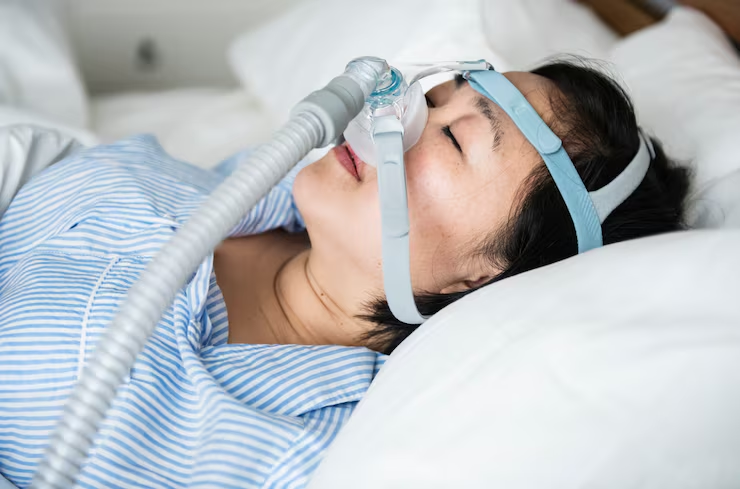
CPAP remains a common and highly effective treatment for obstructive sleep apnea. It uses a machine to deliver air through a mask, helping keep the airway open during sleep.
Oral appliance therapy works differently. Instead of delivering pressurized air, it uses a dental device to reposition oral structures and improve airway space.
Treatment | How it works | Common consideration |
|---|---|---|
Oral appliance therapy | Repositions the jaw or related structures to help keep the airway open | Often considered for selected patients with mild to moderate OSA or those who cannot tolerate CPAP |
CPAP | Delivers continuous positive airway pressure through a mask | Highly effective for many patients, including those with more severe sleep apnea |
Positional therapy | Encourages sleeping positions that may reduce airway obstruction | May help patients whose breathing problems are strongly position-dependent |
Lifestyle measures | Addresses factors that can worsen airway obstruction | Often used alongside medical or dental treatment rather than as a replacement for prescribed therapy |
A healthcare professional should determine the appropriate treatment rather than choosing an option based only on comfort or convenience.
What Happens During a Dental Sleep Consultation?
A sleep-focused dental appointment generally begins with a discussion about symptoms and sleep habits. Your dentist may ask how often you snore, if someone has observed breathing pauses, and how rested you feel during the day.
The dental examination can then assess your teeth, gums, jaw, bite, and oral structures. Your dentist may also review previous sleep-study results or information from your physician.
If sleep apnea has not been evaluated, a referral for medical assessment may be recommended. Once a diagnosis is established, the dentist can determine if an oral appliance is suitable.
A custom device is generally more appropriate than a generic appliance because the dentist can account for your individual anatomy, bite, and dental health. Follow-up appointments are also useful for checking comfort, fit, jaw symptoms, and changes to the bite or teeth.
Can a Dentist Treat Snoring Without Treating Sleep Apnea?
Sometimes. Primary snoring can occur without obstructive sleep apnea, and an oral appliance may help reduce snoring in appropriate patients.
The distinction matters because quieting snoring does not necessarily mean that nighttime breathing has improved. A person could stop making loud noises while still experiencing airway obstruction.
For that reason, persistent or loud snoring should not automatically be treated as a simple nuisance. Symptoms such as witnessed breathing pauses, gasping during sleep, significant daytime sleepiness, or morning headaches should prompt medical evaluation.
What About Sedation Dentistry?
Sedation dentistry and dental sleep treatment serve different purposes.
Sedation dentistry is used to help certain patients remain comfortable and relaxed during dental procedures. It does not treat obstructive sleep apnea or correct the underlying cause of chronic snoring.
Patients with diagnosed or suspected sleep apnea should tell their dentist before undergoing sedation. Sleep apnea can affect breathing during sleep, and sedative medications can influence breathing and alertness. Your dental team can use that information when planning appropriate care.
This distinction is especially useful for patients who have heard about sedation and assume it may improve sleep-related breathing. It does not.
Can a Dental Appliance Cause Problems?
Oral appliances are generally well tolerated by many patients, but they can cause side effects. Temporary jaw soreness, tooth discomfort, excess saliva, dry mouth, or changes in the bite may occur.
Long-term monitoring matters because an appliance changes the position of the jaw during sleep. Your dentist can check for changes in the teeth, bite, jaw joints, and appliance fit and make adjustments when appropriate.
Do not continue using an appliance that causes persistent pain or significant dental changes without speaking with your dentist.
What If You Already Have Sleep Apnea?
Patients with diagnosed sleep apnea should keep working with their medical provider even if they are interested in dental treatment.
An oral appliance can be a useful treatment for selected patients, but the treatment plan should be based on the severity and characteristics of the sleep disorder. Follow-up testing may also be recommended to determine whether the appliance is adequately controlling the condition.
For patients already using CPAP, a dentist may sometimes be part of a broader care plan if CPAP is difficult to tolerate. Any change in treatment should be discussed with the clinician managing the sleep apnea.
Simple Steps That May Help Reduce Snoring
Dental treatment is only one part of managing snoring. Depending on the cause, other measures may also help.
Maintain a healthy sleep schedule and adequate sleep time.
Avoid alcohol and sedating substances close to bedtime unless prescribed medications require a different schedule.
Ask a healthcare professional about nasal congestion or other conditions that may restrict airflow.
Follow your prescribed sleep apnea treatment consistently.
These measures may reduce symptoms for some people, but they should not replace evaluation for suspected obstructive sleep apnea.
When Should You Talk to a Dentist or Doctor?
Persistent snoring deserves attention if it affects your sleep or someone else’s sleep regularly. A dental consultation can be useful if you are interested in an oral appliance or have questions about how your jaw and oral anatomy may relate to nighttime breathing.
A medical evaluation is especially important if you have witnessed breathing pauses, wake up choking or gasping, experience significant daytime sleepiness, or have been told that you stop breathing during sleep.
Dentists and physicians can have different but complementary roles. A physician or sleep specialist can diagnose sleep apnea, while a qualified dentist can assess dental factors and provide oral appliance treatment for appropriate patients.
Frequently Asked Questions
Can a dentist help stop snoring?
Yes. A dentist trained in dental sleep medicine may help selected patients reduce snoring, particularly through a custom oral appliance. Persistent snoring should first be evaluated for possible obstructive sleep apnea.
Can a dentist diagnose sleep apnea?
A dentist may screen for signs and symptoms of sleep apnea, but diagnosis generally requires medical evaluation and, when appropriate, a sleep study. Dentists can then work with sleep physicians to provide appropriate dental treatment.
Is an oral appliance better than CPAP?
Neither treatment is universally better. CPAP is highly effective for many people with obstructive sleep apnea, while oral appliances may be appropriate for selected patients, including some with mild to moderate OSA and some who cannot tolerate CPAP.
How long does it take to get used to a sleep apnea dental appliance?
Many patients need an adjustment period. Mild jaw or tooth discomfort can occur initially. Your dentist can adjust the appliance if problems persist and monitor your bite and oral health over time.
Can a mouthguard stop sleep apnea?
A standard athletic mouthguard is not designed to treat sleep apnea. A dental sleep appliance is specifically designed to reposition the jaw or related structures to help maintain airway space.
Is snoring always a sign of sleep apnea?
No. Snoring can occur without sleep apnea. However, loud and frequent snoring combined with breathing pauses, gasping, daytime sleepiness, or other symptoms should be evaluated.
A Better Night Can Start With the Right Evaluation
Snoring may be harmless in some cases, but persistent snoring can also signal a sleep-related breathing disorder. A dentist can contribute to care by assessing oral and jaw structures, screening for warning signs, and providing oral appliance therapy to patients who are appropriate candidates.
Hamilton Dental Group can help patients understand their dental options and determine when a sleep-focused evaluation may be appropriate. The goal is not simply to make nighttime noise disappear. Proper evaluation can help identify the cause and guide treatment that supports healthier breathing during sleep.
If snoring is affecting your sleep or your household, Book Your Consultation Today to discuss your symptoms and dental treatment options. A conversation with your dentist can be a useful first step toward understanding what may be happening while you sleep.