A night guard and a sports guard protect your teeth in different situations, so one should not be used as a substitute for the other. Night guards are designed primarily for people who clench or grind their teeth during sleep, while sports guards cushion the teeth and jaws against impact during athletic activities. Choosing the right type of mouthguard depends on the source of the risk, how often you need protection, and how well the appliance fits. At Hamilton Dental Group, patients can discuss their symptoms, habits, and dental needs with a dental professional before selecting the appropriate option.
Why Your Teeth May Need Protection
Teeth can withstand considerable pressure, but repeated force or sudden impact can cause damage. Two common situations require extra protection: nighttime teeth grinding and sports-related injuries.
Grinding, also called bruxism, can place excessive pressure on the teeth for hours while you sleep. Over time, this may contribute to worn enamel, chipped teeth, jaw discomfort, tooth sensitivity, or headaches. Some people grind without realizing it until a dentist notices signs of wear.
Sports create a different type of risk. A ball, elbow, stick, fall, or collision can strike the mouth without warning. A properly fitted sports guard creates a protective barrier between the upper and lower teeth and helps cushion the force of an impact.
Although both appliances sit inside the mouth, their purposes, construction, and fit are not identical.
Night Guards Are Made for Nighttime Grinding
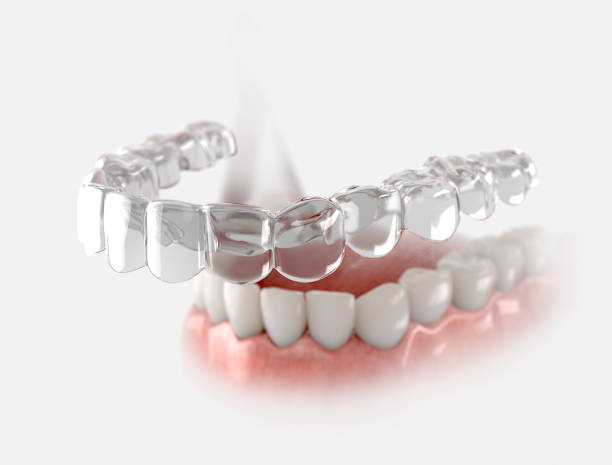
A night guard is an oral appliance worn while sleeping. Its primary purpose is to reduce the direct contact and force created when a person clenches or grinds their teeth.
A properly fitted appliance can separate the upper and lower teeth, reducing the amount of pressure transferred between them. It may also help protect dental restorations, such as crowns, bridges, or veneers, from excessive grinding forces.
Night guards can be especially useful for people who experience signs such as:
Flattened, worn, or chipped tooth surfaces
Jaw soreness or morning facial discomfort
Frequent morning headaches
Increased tooth sensitivity
A partner noticing grinding sounds during sleep
A dentist can examine your teeth and jaw and determine if nighttime grinding appears to be contributing to these symptoms. The cause of grinding also matters, since an appliance addresses tooth protection but does not necessarily eliminate the underlying reason for bruxism.
Sports Guards Protect Against Impact
A sports guard serves a different purpose. It is designed to protect the teeth, gums, lips, cheeks, and jaw during physical activity where contact or impact is possible.
Sports guards are commonly recommended for activities such as football, hockey, basketball, martial arts, boxing, lacrosse, wrestling, and other contact or collision sports. Some non-contact activities can also involve falls or accidental impacts, making oral protection useful.
A sports guard absorbs and distributes some of the force generated by an impact. It can reduce the chance of certain dental injuries, although no mouthguard can guarantee complete protection.
Fit matters significantly. A guard that feels loose, interferes with breathing, or repeatedly slips out of position may not provide the protection or comfort needed during activity.
Night Guard vs Sports Guard: What Is the Difference?
The biggest distinction is the type of force each appliance is designed to manage. A night guard addresses repeated pressure from grinding and clenching during sleep. A sports guard is designed to cushion sudden external impact.
Feature | Night Guard | Sports Guard |
|---|---|---|
Main purpose | Protect teeth from grinding and clenching | Protect teeth from sports-related impact |
Typical use | During sleep | During athletic activity |
Primary concern | Repeated biting pressure | Sudden force or collision |
Fit | Usually designed for extended nighttime wear | Designed to stay securely in place during activity |
Material and design | Built around grinding protection and comfort | Built around impact absorption |
Common users | People with bruxism or signs of tooth wear | Athletes and active individuals |
Should one replace the other? | No | No |
Using the right appliance for the right situation helps ensure that the protection matches the risk.
Can You Use a Sports Guard at Night?
A sports guard is not automatically an appropriate replacement for a night guard.
Sports guards are engineered with athletic protection in mind. Their design may be thicker or shaped differently from an appliance intended for nighttime grinding. Someone who grinds heavily may also damage or wear through a sports guard over time.
Likewise, a night guard should not be treated as a substitute for an athletic mouthguard. A device designed primarily to separate teeth during grinding may not provide the same impact protection required for sports.
If you participate in sports and also grind your teeth at night, you may need two different appliances for two different purposes.
Why Fit Makes Such a Difference
A mouthguard only provides useful protection if it stays where it should and allows you to breathe and speak comfortably.
Store-bought mouthguards are available in several forms, including stock designs and products that can be softened and molded at home. These options may be convenient, but they do not necessarily provide the same individualized fit as a professionally made appliance.
A custom appliance is created from impressions or digital scans of your teeth. The dentist can account for your bite, dental restorations, tooth alignment, and specific protection needs.
For someone with significant teeth grinding, a poorly fitting appliance may be uncomfortable enough to discourage consistent use. For an athlete, a loose guard may shift during activity.
A dental professional can also check the appliance periodically and determine if it needs adjustment or replacement.
What Happens During a Dental Evaluation?
Choosing an appliance should begin with identifying the problem it needs to address.
Your dentist in Hamilton OH may examine your teeth for signs of wear, cracks, chips, sensitivity, or changes in your bite. Your jaw muscles and joints may also be evaluated if grinding or clenching is suspected.
For sports protection, the discussion may focus on the type of activity you participate in, how frequently you play, your existing dental work, and how the appliance fits.
At Hamilton Dental Group, this type of evaluation can help determine which form of dental protection makes sense for your circumstances rather than relying on a generic appliance.
How to Care for Your Mouthguard
Proper care helps keep an oral appliance clean and in usable condition.
After wearing it, rinse the guard with cool or lukewarm water and allow it to dry before storing it in a ventilated container. Avoid exposing the appliance to very hot water, which can alter its shape.
Inspect it regularly for cracks, tears, thinning, sharp edges, or changes in fit. A night guard may gradually show wear from grinding, while a sports guard may become damaged after repeated impacts.
Do not share a mouthguard with another person. If the appliance develops an odor that does not improve with proper cleaning, or if it becomes uncomfortable, bring it to your dentist for evaluation.
Signs You May Need a Night Guard
Not everyone who wakes with a sore jaw needs an appliance, but recurring symptoms deserve attention.
Signs associated with nighttime grinding can include worn tooth surfaces, small fractures, increased sensitivity, jaw tightness, facial soreness, and headaches after waking. Some people also notice indentations along the tongue or cheeks.
A dentist can look for physical evidence of grinding even when you have never heard yourself clench or grind. Early evaluation may help prevent minor wear from progressing into more significant dental damage.
Signs You Should Consider a Sports Guard
A sports guard is worth discussing with your dentist if you regularly participate in activities where your teeth could be struck or where falls and collisions are possible.
Children and teenagers may benefit from particular attention to fit because their teeth and jaws are still developing. A guard may also need periodic replacement as the mouth changes.
Adults with crowns, bridges, implants, orthodontic appliances, or other dental work should ask their dentist about appropriate protection before participating in contact sports.
Frequently Asked Questions
Is a night guard the same as a sports guard?
No. A night guard is primarily designed to protect teeth from repeated grinding and clenching during sleep. A sports guard is designed to cushion impact during athletic activities. Their materials, designs, and fitting requirements can differ.
Can a night guard stop teeth grinding?
A night guard can protect the teeth from some of the effects of grinding, but it does not necessarily stop the habit itself. A dentist can evaluate possible contributing factors and recommend appropriate care based on your symptoms.
How long does a night guard last?
The lifespan varies according to the appliance material, fit, frequency of use, and severity of grinding. Someone who grinds heavily may wear through an appliance faster. Regular dental examinations can help determine when replacement is appropriate.
Do athletes really need a mouthguard?
A mouthguard can reduce the risk of certain dental injuries during sports involving contact, collision, or falls. The level of protection depends on the activity and the fit and design of the appliance.
Can I wear my sports guard while sleeping?
A sports guard should not automatically be used as a nighttime grinding appliance. Its design may not be appropriate for prolonged grinding or clenching. Ask your dentist if you need protection for both sports and sleep.
Are custom mouthguards better than store-bought options?
A custom mouthguard is made specifically for your mouth and can provide a more individualized fit. Store-bought options can vary in fit and retention. Your dental needs and the type of protection required should guide the choice.
Protect Your Teeth for the Activity That Puts Them at Risk
Nighttime grinding and sports injuries create very different threats to your teeth, so the appliance should match the situation. A night guard is intended for repeated pressure caused by clenching and grinding, while a sports guard is designed to cushion sudden impact. Using the correct appliance can help protect your teeth and make wearing it more comfortable.
If you have noticed tooth wear, jaw soreness, or signs of grinding, or you participate in a sport where dental injuries are possible, talk with your dentist about the appropriate protection. Schedule an appointment today to have your teeth and bite evaluated and discuss which type of mouthguard fits your needs.
The right protection is not simply about wearing something over your teeth. It is about using an appliance designed for the specific forces your mouth encounters, night after night or during the activities you enjoy.