A tooth can hurt years after a root canal because infection may return, a canal may have been missed, a restoration may have leaked, or the tooth may have developed a crack or another problem. In some cases, the surrounding tissues remain inflamed even after the original treatment. Root canal retreatment may be considered when the original tooth can still be predictably treated and restored. Hamilton Dental Group can evaluate recurring symptoms and help determine the cause before treatment is selected.
Why Can a Root Canal Tooth Hurt Years Later?
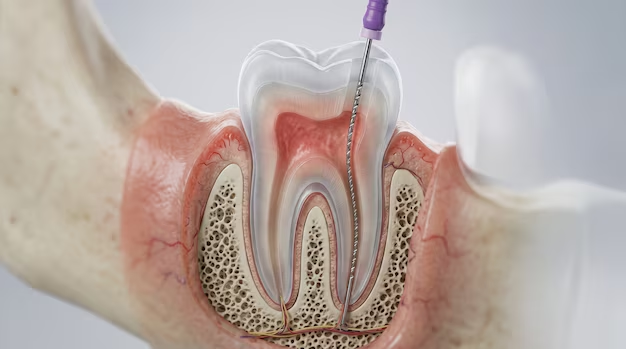
A root canal removes infected or inflamed pulp from inside the tooth, cleans the root canals, and seals them to prevent bacteria from returning. Most treated teeth can function for many years with appropriate care and restoration. Still, a previously treated tooth can develop new disease or fail to heal completely.
Pain that appears long after treatment does not automatically mean the original root canal was performed incorrectly. A tooth can develop a new problem after initially healing well. For example, decay around an old crown can allow bacteria to enter the tooth again. A cracked filling or crown can also compromise the seal.
Common causes include:
- Bacteria remaining inside an untreated or inadequately cleaned canal
- A narrow or curved canal that was difficult to locate
- Complex root anatomy that was not identified during the first treatment
- New decay beneath or around a restoration
- A loose, cracked, or broken filling or crown
- A fracture involving the tooth
- Persistent inflammation around the root
- Problems that developed in the tissues surrounding the tooth
The American Association of Endodontists explains that previously treated teeth can become painful or diseased months or years later for several of these reasons.
Infection Can Return Inside a Previously Treated Tooth
One of the main concerns with tooth pain after root canal treatment is renewed bacterial infection.
A root canal creates a sealed environment after infected material is removed. If bacteria remain in an untreated canal, or bacteria gain access through a damaged restoration, infection can persist or develop again.
A root canal infection returning may cause symptoms such as:
- Pain when biting or chewing
- Tenderness around the tooth
- Swelling near the affected area
- A small pimple or drainage point on the gum
- Persistent pressure or discomfort
- An abscess around the root
- Changes visible on a dental X-ray
Some infections cause little or no pain. A person may only learn about the problem during a routine dental examination or imaging. This is one reason recurring symptoms should be evaluated instead of being ignored.
A Missed Canal May Be Behind Persistent Symptoms
Root canals are not always simple, straight spaces. Some teeth have narrow, curved, branching, or unusually positioned canals.
If one canal was not located and cleaned during the original procedure, bacteria can remain inside it. Over time, this can contribute to inflammation around the root and renewed symptoms.
An endodontist may use magnification, specialized instruments, and three-dimensional imaging in selected cases to identify anatomy that was difficult to see during the original procedure. A clinical examination and appropriate imaging help determine if an untreated canal or another cause is responsible.
An Old Crown or Filling Can Also Cause Trouble
A root canal does not make a tooth immune to future dental problems. The tooth still needs protection and routine care.
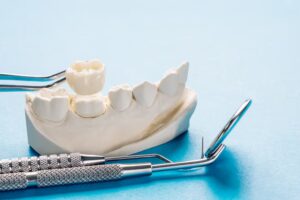
A crown or filling can loosen, crack, fracture, or develop leakage over time. New decay can also form around a restoration. These changes can allow bacteria to reach areas that were previously sealed.
The AAE specifically identifies new decay and damaged restorations as causes of new infection in previously treated teeth.
Signs that an old restoration may be contributing to symptoms include:
- Pain when biting down.
- A crown that feels loose.
- Food repeatedly catching around the tooth.
- A visible crack or damaged filling.
- Sensitivity or discomfort that was not present previously.
- Swelling around the tooth or gum.
A dentist may need to assess both the root canal and the restoration before deciding on treatment.
Could a Cracked Tooth Be the Problem?
A tooth that has already received root canal treatment can still fracture. This is especially significant because some cracks can extend below the gum line or into the root.
A fracture may produce pain during chewing, discomfort when releasing a bite, or intermittent symptoms that are difficult to reproduce during a routine examination.
A cracked tooth does not automatically mean extraction. The location and extent of the fracture matter. A dentist or endodontist may need to examine the tooth carefully and use imaging to determine if it can be predictably restored.
This is one reason root canal complications should not be assumed to be the cause of every painful tooth that has had endodontic treatment.
What Does the Dentist Look For?
Recurring pain in a previously treated tooth requires more than simply checking the old root canal filling. The dentist needs to determine what is causing the current symptoms.
An evaluation may include:
Symptoms and dental history
Your dentist may ask when the pain started, what triggers it, and if it is related to chewing, pressure, temperature, or spontaneous episodes. Previous dental treatment and any recent trauma or restoration problems are also relevant.
Clinical examination
The tooth and surrounding tissues may be checked for tenderness, swelling, gum changes, abnormal movement, cracks, or changes in the bite.
Dental imaging
X-rays can show changes around the root, bone loss, or other findings associated with infection. In more complicated cases, three-dimensional imaging such as cone-beam computed tomography may provide additional information.
Assessment of the restoration
The crown, filling, post, and remaining tooth structure may need evaluation. A problem with the restoration can sometimes explain symptoms without requiring repeat root canal treatment.
Examination of nearby teeth
Pain can sometimes be difficult to localize. A neighboring tooth may be responsible for symptoms that seem to come from the previously treated tooth. Checking surrounding teeth helps reduce the chance of treating the wrong tooth.
When Is Root Canal Retreatment Considered?
Endodontic retreatment may be considered when a previously treated tooth has persistent or recurring disease and the tooth can still be adequately cleaned, sealed, and restored.
During retreatment, the dentist or endodontist generally re-enters the tooth and removes the existing root canal filling material. The canals can then be examined for untreated anatomy, cleaned and disinfected, and sealed again. A permanent restoration is usually needed afterward to protect the tooth.
Retreatment may be discussed when there is evidence of:
- Persistent infection around the root
- A previously untreated canal
- Inadequate cleaning or sealing
- New contamination caused by restoration failure
- A treatable problem with the previous root canal
- A tooth that remains structurally suitable for restoration
Retreatment is not appropriate for every painful tooth. The condition of the tooth, root, surrounding bone, existing restoration, and cause of the problem all influence the treatment plan.
Root Canal Retreatment vs Extraction
Patients with recurring pain often want to know how retreatment compares with removing the tooth. The answer depends on the specific condition of the tooth.
| Consideration | Root Canal Retreatment | Extraction |
|---|---|---|
| Main goal | Treat the internal problem and preserve the natural tooth | Remove the affected tooth |
| Natural tooth | Preserved when treatment is successful | Lost |
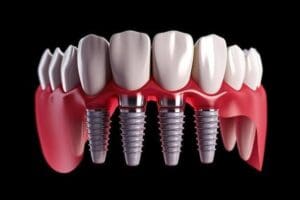
| Follow-up care | Usually requires a permanent restoration | May require an implant, bridge, or removable replacement |
| Suitable for | Teeth with treatable disease and enough structure to restore | Teeth that cannot be predictably saved |
| Treatment planning | Focuses on identifying and correcting the cause | Focuses on removal and planning tooth replacement |
The AAE notes that extraction is an alternative when retreatment and endodontic surgery are not suitable. If a tooth is extracted, replacement may require additional treatment such as an implant, bridge, or removable partial denture.
Preserving a natural tooth is often considered when it can be predictably treated and restored, but the final decision requires an individual clinical assessment.
When Surgery May Be Discussed
Nonsurgical retreatment is not the only treatment option for a previously treated tooth.
If a canal cannot be accessed adequately because of a blockage, unusual anatomy, or previous procedural changes, an endodontist may discuss endodontic surgery. This approach provides access to the area around the root tip so the affected tissue can be treated and the end of the root sealed.
Surgery may also be considered in selected cases where retreatment alone is unlikely to address the source of persistent disease.
The choice depends on the cause of the problem, the anatomy of the tooth, its restorability, and findings from the examination and imaging.
What Symptoms Should Prompt a Dental Visit?
Recurring pain should not be ignored simply because the tooth had a root canal years ago.
Arrange a dental evaluation if you notice:
- Persistent or increasing tooth pain
- Pain when biting or chewing
- Swelling around the tooth
- A recurring gum pimple near the treated tooth
- Drainage or an unpleasant taste
- A loose or damaged crown
- A tooth that suddenly feels different when you bite
- Symptoms returning after a period without problems
Severe swelling, fever, difficulty swallowing, difficulty breathing, or swelling that spreads toward the face or neck requires urgent dental or medical attention.
The AAE also advises patients to contact their endodontist if symptoms that existed before treatment return or if severe pain or pressure persists.
Why Waiting Can Make Treatment More Complicated
A painful tooth does not always deteriorate quickly, but an untreated infection can damage the tissues and bone around the root. A crack can also progress and reduce the amount of healthy tooth structure available for restoration.
Getting the tooth assessed early gives the dentist more information about the cause and the condition of the surrounding tissues. It also helps distinguish infection from other sources of pain, such as a fracture, bite problem, gum disease, or a neighboring tooth.
An evaluation does not automatically mean another root canal. It means identifying the actual source of the symptoms before choosing treatment.
What Patients Can Expect During an Evaluation
A consultation for recurring symptoms usually begins with a discussion of your previous treatment and current discomfort. The dentist then examines the tooth and surrounding tissues and reviews appropriate imaging.
Hamilton Dental Group can assess symptoms in the context of the tooth’s restoration, surrounding tissues, and previous treatment history. If specialist endodontic care is appropriate, the findings can help guide the next step.
The goal is to determine three things:
- Why the tooth is hurting: Infection, restoration failure, fracture, bite-related irritation, or another condition may be involved.
- Can the cause be treated: The tooth must have enough healthy structure and support for predictable treatment.
- Which option fits the findings: Retreatment, endodontic surgery, restoration, extraction, or another treatment may be considered.
Frequently Asked Questions
Can a tooth hurt years after a root canal?
Yes. A previously treated tooth can become painful or diseased months or years after treatment. Causes include persistent infection, missed canals, new decay, restoration failure, or a tooth fracture.
Does pain always mean a failed root canal?
No. A failed root canal is only one possible explanation for recurring pain. A cracked tooth, damaged crown, gum problem, bite issue, or neighboring tooth can also produce symptoms. An examination is needed to identify the source.
Can an infected root canal be treated again?
In selected cases, yes. Root canal retreatment can allow an endodontist to remove previous filling material, locate untreated anatomy, clean the canals, and reseal the tooth.
Is extraction the only option after a failed root canal?
No. Depending on the cause, treatment may include nonsurgical retreatment or endodontic surgery. Extraction may be considered when the tooth cannot be predictably treated or restored.
Can a root canal tooth hurt without an infection?
Yes. Pain may have causes outside the root canal system, including a crack, periodontal problem, bite-related irritation, or a nearby tooth. Persistent symptoms need an examination rather than an assumption about the cause.
How is root canal pain years later diagnosed?
Diagnosis can involve a review of symptoms and previous treatment, clinical examination, dental X-rays, and sometimes three-dimensional imaging. The dentist may also assess the crown, filling, bite, gums, and nearby teeth.
Is retreatment better than extraction?
The appropriate option depends on the condition of the tooth. A tooth that can be predictably retreated and restored may be considered for preservation. Extraction becomes an option when the tooth cannot be predictably saved. Your dentist or endodontist can explain the findings and available choices.
Getting the Cause Checked Early
Pain that returns years after a root canal deserves attention, even if the symptoms are mild or come and go. The cause may be a recurring infection, an untreated canal, a damaged restoration, a fracture, or a problem unrelated to the original root canal.
A careful examination can determine what is happening inside and around the tooth and help identify the appropriate treatment. For some patients, retreatment can address the source of disease and preserve the natural tooth. For others, surgery, restorative treatment, or extraction may be more appropriate.
If you are experiencing recurring pain in a previously treated tooth, contact us for an evaluation so the cause can be identified and the available treatment options can be discussed.