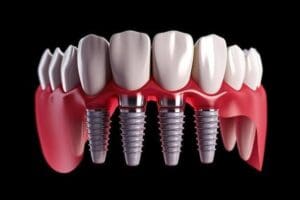
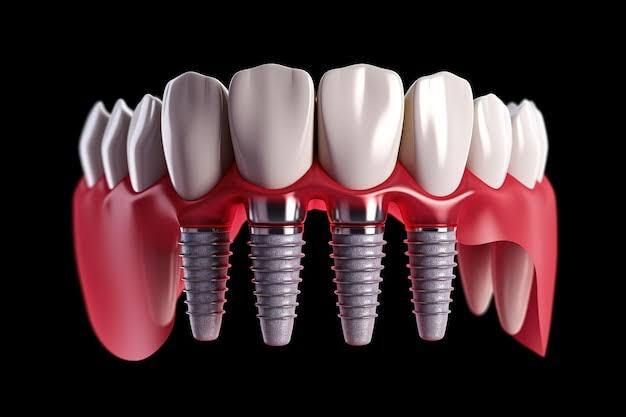
Dental implants are designed to provide stable, long-term tooth replacement, but complications can sometimes affect healing, the surrounding tissues, or the implant itself. Dental implant failure may occur because an implant does not properly integrate with the jawbone early on, or because infection, bone loss, excessive bite forces, smoking, or other problems affect an implant later. Recognizing changes such as persistent inflammation, bleeding, pain, or mobility gives patients a better chance of receiving treatment before the problem becomes more serious. Hamilton Dental Group can assess concerning symptoms and determine what is affecting the implant rather than assuming removal is necessary.
What Does Dental Implant Failure Mean?
Dental implant failure generally means that an implant has lost the stability, bone support, or biological health needed to function properly.
Failure is not limited to an implant completely falling out. An implant may have a problem with the surrounding gum tissue, supporting bone, or restorative components while the implant itself remains firmly integrated.
Dental implant problems can broadly be divided into:
- Early complications: These occur during healing or before the implant is fully integrated with the jawbone.
- Late complications: These develop after the implant has successfully integrated and has been functioning for some time.
- Biological complications: These involve infection, inflammation, or loss of supporting bone.
- Mechanical complications: These may involve loose screws, fractured components, excessive bite forces, or problems with the dental restoration.
Research has associated early implant loss with issues such as inadequate primary stability, infection, surgical trauma, and impaired healing. Later failures may be associated with peri-implantitis and excessive mechanical loading.
Early and Late Implant Complications Are Different
The timing of a problem can provide useful information about its possible cause.
| Early problems | Later problems |
|---|---|
| Usually occur during healing | Can occur months or years after placement |
| May involve failed osseointegration | May involve loss of previously established bone support |
| Infection can interfere with healing | Peri-implantitis can cause progressive bone loss |
| Excessive movement during healing can be harmful | Excessive bite forces can affect the implant or restoration |
| May be associated with surgical or healing factors | May be associated with hygiene, inflammation, bite forces, smoking, or mechanical issues |
An implant that is slightly uncomfortable immediately after surgery is not automatically failing. Some soreness and swelling are expected after implant placement. The concern is persistent, worsening, or unusual symptoms that do not follow the expected healing pattern.
Signs an Implant Is Failing
Some warning signs deserve professional evaluation, particularly if they persist or become more noticeable.
1. The implant feels loose
A loose dental implant should not be ignored. A properly integrated implant should remain stable in the jaw.
However, patients sometimes mistake a loose crown or abutment for a loose implant. These are different problems. The restoration may move because of a mechanical issue while the implant remains firmly anchored in bone.
A dental professional can determine which component is moving and identify the cause.
2. Red, swollen, or bleeding gums
Inflammation around an implant may be a sign of peri-implant disease. Bleeding gums during brushing or cleaning around an implant should be discussed with a dental professional, particularly when it continues after routine oral hygiene.
The American Academy of Periodontology describes peri-implant mucositis as inflammation limited to the soft tissues, while peri-implantitis involves inflammation accompanied by bone loss around the implant. Early mucositis may be reversible with appropriate management.
3. Persistent or worsening pain
Some tenderness is normal after implant surgery. Persistent pain long after the initial healing period has a different significance.
Pain can have several causes, including inflammation, infection, excessive bite pressure, problems with the restoration, or irritation involving nearby structures. Pain alone does not establish implant failure, so an examination is necessary.
4. Pus, drainage, or an unpleasant taste
Drainage around an implant can indicate an infection. A recurring bad taste, pus, swelling, or a small opening that drains near the implant deserves prompt evaluation.
An implant infection can affect the soft tissues and, in more advanced cases, the bone supporting the implant. Treatment depends on the source and severity of the infection.
5. Changes in the way your bite feels
A sudden change in how the implant tooth contacts the opposing teeth can indicate a mechanical problem.
Excessive or uneven bite forces can place additional stress on an implant-supported restoration. In some cases, the issue may be limited to the crown or another component rather than the implant itself.
6. Changes in the gum or bone around the implant
Receding tissue, increased probing depths, inflammation, or radiographic bone loss can indicate disease around an implant.
Bone loss is particularly significant because an implant depends on adequate surrounding bone for stability. Peri-implantitis can progressively damage this supporting tissue if it is not managed.
Why Can a Dental Implant Fail?
Several factors can contribute to implant complications. Often, there is not one simple cause.
Poor integration during healing
An implant must become firmly integrated with the surrounding bone through a process called osseointegration. If adequate integration does not occur, the implant may remain unstable.
Early failure has been linked with infection, insufficient primary stability, surgical trauma, premature loading, and other healing-related factors.
Peri-implantitis
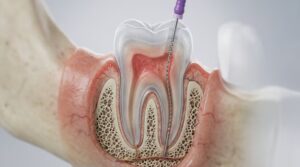
Peri-implantitis is an inflammatory condition affecting the tissues around an implant and is associated with progressive supporting bone loss.
Bacterial plaque can accumulate around implants just as it does around natural teeth. Without appropriate plaque control and professional maintenance, inflammation can develop and progress into deeper tissue involvement.
Inadequate oral hygiene
Implants cannot develop cavities like natural teeth, but the surrounding tissues can still become inflamed.
Daily brushing and cleaning around the implant, along with professional examinations, help control plaque and allow early tissue changes to be detected.
Smoking
Smoking is associated with a greater risk of implant-related complications and peri-implant disease. It can interfere with healing and negatively affect the tissues supporting an implant.
Patients who smoke should discuss their smoking habits with their dental provider before and after implant treatment so appropriate risk-reduction measures can be considered.
Excessive bite forces
Strong or uneven forces can contribute to mechanical complications and may affect an implant or its supporting structures.
Patients who grind or clench their teeth may place additional forces on implant restorations. A dentist can assess the bite and determine if changes to the restoration, monitoring, or protective measures are appropriate.
Problems involving the restoration
Not every implant complication is an implant failure.
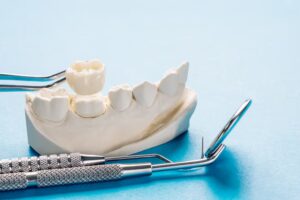
A crown may become loose, an abutment screw may loosen, or another prosthetic component may fracture. These problems can sometimes be repaired without removing the implant.
That distinction matters because treatment should be based on the actual source of the problem rather than assuming the entire implant has failed.
Does an Implant Need to Be Removed if There Is a Problem?
Not necessarily. A failed dental implant may require removal when it has lost integration, become significantly mobile, or has severe disease or structural damage that cannot be predictably managed. However, some implant complications can be treated while the implant remains in place.
Treatment may include:
- Professional cleaning and improved home care for certain soft-tissue problems.
- Bite adjustment or restorative repair when excessive forces or mechanical problems are involved.
- Non-surgical treatment for selected inflammatory conditions.
- Surgical treatment when deeper peri-implant disease requires access to affected tissues.
- Regenerative procedures in selected cases involving bone defects.
- Implant removal and replacement planning when the implant is no longer stable or cannot be predictably maintained.
Current professional guidance supports a stepwise approach to peri-implant disease management, beginning with appropriate non-surgical care in suitable cases and progressing to surgical treatment when indicated.
How Dentists Determine What Is Wrong
Symptoms alone cannot reliably determine the cause of an implant problem. A professional dental implants assessment may include several steps:
- Review of symptoms and medical and dental history
- Examination of the implant, gums, and surrounding tissues
- Assessment of implant mobility
- Evaluation of the bite and restoration
- Measurement of the tissues around the implant
- Dental X-rays or other imaging when indicated
- Comparison with earlier images to identify changes over time
This evaluation helps distinguish an implant problem from a loose restoration, gum inflammation, infection, bone loss, or another dental condition.
How Patients Can Reduce the Risk of Implant Problems
No implant is guaranteed to remain complication-free, but good maintenance can reduce avoidable risks.
Maintain daily oral hygiene
Clean the implant and surrounding gums carefully every day. Your dental professional can recommend appropriate brushing and interdental cleaning methods based on your implant restoration.
Keep regular implant checkups
Routine visits allow the dental team to monitor gum health, implant stability, bite forces, and changes in supporting bone.
Address bleeding early
Do not wait for significant pain before reporting bleeding, swelling, tenderness, or changes around an implant.
Avoid smoking
Smoking can interfere with healing and is associated with peri-implant disease risk. A discussion with your dental provider can help you understand how smoking may affect your individual treatment.
Protect the implant from excessive forces
Tell your dentist about clenching, grinding, fractured restorations, or changes in your bite. Early management may prevent a mechanical issue from becoming more extensive.
When Should You Seek Urgent Dental Care?
Some symptoms call for prompt assessment rather than waiting for a routine visit.
Seek urgent dental care if you experience:
- Significant swelling around the implant
- Pus or persistent drainage
- Severe or worsening pain
- Fever or feeling unwell along with oral swelling
- Sudden implant mobility
- A restoration that has become severely loose
- Difficulty swallowing or breathing
Difficulty breathing or swallowing accompanied by significant facial or oral swelling requires immediate medical attention.
Frequently Asked Questions
Can a dental implant fail years after placement?
Yes. An implant can develop late complications after years of successful function. Peri-implantitis, progressive bone loss, excessive mechanical forces, and technical complications can contribute to late implant problems.
Is a loose dental implant always a sign of failure?
Movement of the actual implant is concerning and requires professional evaluation. However, patients may feel movement from a loose crown, abutment, or screw instead. Identifying the moving component is essential before deciding on treatment.
Can peri-implantitis be treated without removing the implant?
In some cases, yes. Treatment depends on the severity and pattern of disease. Professional guidance supports non-surgical management for appropriate cases, with surgical treatment considered when deeper disease requires it.
What are the first signs of an implant infection?
Possible signs include redness, swelling, tenderness, bleeding, pus, drainage, or an unpleasant taste around the implant. Persistent or worsening symptoms should be evaluated rather than self-treated.
Can smoking cause dental implants to fail?
Smoking is associated with increased risks involving implant healing and peri-implant disease. It does not mean every smoker will experience implant failure, but smoking is a factor that should be discussed during implant planning and maintenance.
How long can a dental implant last?
Dental implants can function successfully for many years, but longevity depends on factors such as bone and gum health, oral hygiene, smoking, bite forces, restoration maintenance, and regular professional monitoring. Long-term success should be viewed as ongoing care rather than a guarantee that complications cannot occur.
Protecting an Implant Starts With Early Attention
Dental implant failure is not always sudden, and not every implant complication means the implant must be removed. A loose restoration, inflamed gum tissue, infection, excessive bite force, and true loss of implant stability can require very different treatments.
The most useful response to a warning sign is a professional assessment. Early evaluation can clarify what is happening, identify treatable problems, and help protect the surrounding bone and tissues. If you notice persistent bleeding, swelling, pain, drainage, mobility, or a change in your bite, make an appointment today rather than waiting for the symptoms to become more severe. Hamilton Dental Group can evaluate the implant and surrounding tissues and help determine the appropriate next step.