A cracked tooth can become a dental emergency, particularly when the crack extends deeper into the tooth, reaches the pulp, causes severe pain, or allows infection to develop. A small crack may initially cause little discomfort, but biting forces can cause it to spread. Hamilton Dental Group can assess the damage and determine the appropriate treatment before the tooth becomes harder to restore.
Why a Tooth Crack Can Get Worse
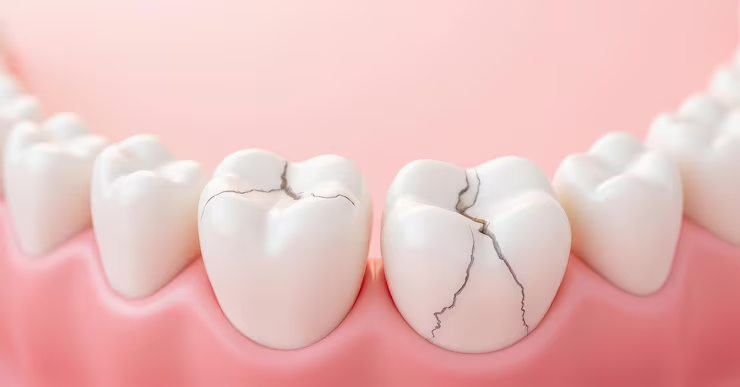
Teeth are strong, but they are not immune to fractures. A crack can develop from biting hard foods, an injury, teeth grinding, large fillings, or normal wear over time. Once a crack forms, repeated pressure from chewing can cause the damaged areas to move slightly.
This movement can irritate the inner tissues of the tooth. A person may notice brief pain when biting down or releasing the bite, sensitivity to cold, or discomfort that comes and goes. Because these symptoms may be manageable at first, it can be tempting to wait.
The problem is that dental cracks do not heal like a broken bone. A crack can extend deeper into the tooth, allowing bacteria to reach the pulp or surrounding tissues. Treatment becomes more difficult when the damage progresses.
Common Types of Tooth Cracks
Not every crack has the same severity or requires the same treatment. A dentist will examine the tooth and may use bite tests, magnification, dental imaging, or other diagnostic methods to determine the location and extent of the damage.
| Type of crack | Typical characteristics | Possible treatment |
|---|---|---|
| Craze lines | Very small cracks limited to the enamel | Often no treatment beyond monitoring and routine care |
| Fractured cusp | A piece of the chewing surface breaks away, often around a filling | Restoration or crown may be considered |
| Cracked tooth | A crack extends from the chewing surface toward the root | Crown and possibly root canal treatment |
| Split tooth | The tooth separates into distinct sections | Often requires removal of the affected portion or extraction |
| Vertical root fracture | A crack develops in the root and may extend upward | Treatment depends on the location and extent of the fracture |
A crack that appears minor from the outside can still extend into deeper structures. That is why symptoms and clinical examination matter more than appearance alone.
Cracked Tooth Symptoms You Should Not Ignore
The symptoms can vary depending on the location and depth of the crack. Some people experience sharp discomfort, while others notice only sensitivity.
Common cracked tooth symptoms include:
- Sharp pain when biting down
- Pain when releasing a bite
- Sensitivity to cold or hot foods and drinks
- Pain that appears and disappears
- Discomfort when chewing on one particular side
- A feeling that the bite has changed
- Swelling or tenderness around the tooth
- Gum irritation near the affected tooth
- A visible piece of tooth breaking away
Pain that occurs mainly during chewing deserves attention, even if it disappears shortly afterward. Repeated pressure can cause an existing fracture to progress.
A tooth may also stop hurting after the nerve inside it becomes severely damaged or dies. That change does not necessarily mean the problem has resolved. Infection can continue developing around the root and may eventually cause swelling or an abscess.
When Does a Cracked Tooth Become an Emergency?
A cracked tooth needs urgent evaluation when symptoms indicate that the pulp, surrounding tissues, or supporting structures may be affected.
Seek prompt dental care if you experience:
- Severe or persistent tooth pain
Intense pain that does not settle, particularly without treatment, can indicate significant irritation or infection. - Facial or gum swelling
Swelling around a damaged tooth can indicate infection and should be assessed promptly. - Fever with dental pain
Fever can occur when a dental infection is affecting the surrounding tissues and requires timely professional evaluation. - A broken piece of tooth with significant pain
A broken tooth may expose sensitive inner structures and increase the risk of further damage. - Difficulty opening your mouth
Limited jaw movement alongside dental pain or swelling can require urgent assessment. - Difficulty swallowing or breathing
Swelling that interferes with swallowing or breathing requires immediate medical attention because an infection can spread into deeper tissues. - Dental trauma with extensive damage or bleeding
A significant injury should be evaluated promptly, particularly if the tooth has been displaced or a large section has fractured.
Emergency dental care is not limited to pain that feels unbearable. Rapidly developing swelling, infection, significant trauma, or damage that threatens the tooth can also make prompt treatment necessary. In these situations, an emergency dentist Hamilton Ohio can assess the damage, relieve urgent symptoms, and determine the appropriate treatment to protect the tooth.
What Happens If Treatment Is Delayed?
The consequences of delaying care depend on the type and depth of the fracture. A dentist cannot predict the progression of every crack, but untreated damage can create several problems.
The crack may extend
Everyday chewing places repeated pressure on the tooth. Continued stress can cause a small fracture to become larger or extend toward the root.
The pulp can become inflamed
The pulp contains nerves and blood vessels. If the fracture reaches this area, inflammation can produce sensitivity and pain. Severe or irreversible pulp damage may require root canal treatment.
Bacteria can enter the tooth
A crack can create a pathway for bacteria to reach deeper tissues. Infection may develop around the root and cause swelling, an abscess, or increasing discomfort.
More tooth structure may be lost
A damaged section can break away during chewing. A tooth that might have been restored earlier may become more difficult to repair after additional structure is lost.
Extraction may become necessary
Some severely fractured teeth cannot be restored. A split tooth or a fracture extending below the gum line may have limited treatment options. Early evaluation gives the dentist a clearer opportunity to determine if the natural tooth can be preserved.
What Does Cracked Tooth Treatment Involve?
Treatment depends on the crack’s location, depth, symptoms, the condition of the pulp, and how much healthy tooth structure remains.
Dental bonding or a filling
A small area of damage may sometimes be repaired with a filling or bonding material. This approach is more suitable for certain minor fractures and does not work for every cracked tooth.
A dental crown
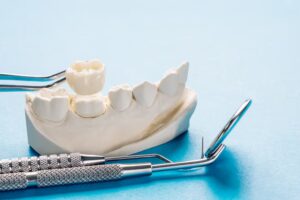
A dental crown covers and protects the remaining tooth structure. It may be recommended for a cracked tooth that still has enough healthy structure to support restoration. The crown can help hold the tooth together and restore its chewing function.
Root canal treatment
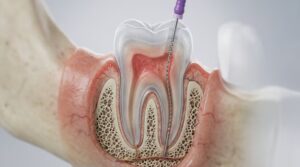
A root canal may be considered when the crack has affected the pulp and the tooth remains structurally restorable. During root canal treatment, the infected or inflamed pulp is removed, the inside of the tooth is cleaned and sealed, and the tooth is generally restored with a crown when appropriate.
Extraction
A severely fractured tooth may need to be removed when the damage extends too deeply or the remaining structure cannot support a restoration. Tooth replacement options can then be discussed based on the person’s oral health and individual needs.
Hamilton Dental Group can evaluate the damaged tooth and explain which treatment is appropriate based on the extent of the fracture.
What to Do Before You See a Dentist
If you suspect a tooth has cracked, protect the area until it can be examined.
- Avoid chewing on the affected side.
- Choose softer foods temporarily.
- Rinse gently with warm water to keep the area clean.
- Use a cold compress on the outside of the cheek if swelling is present.
- Take an over-the-counter pain reliever only as directed on the label and only if it is safe for you to use.
- If a piece of tooth has broken off, keep it and bring it to the dental appointment.
- Do not place aspirin directly against the gum or tooth because it can irritate the tissue.
Do not attempt to glue a broken piece back onto the tooth. Home repairs cannot stabilize a dental fracture and may make professional treatment more difficult.
Can Severe Tooth Pain Wait Until Morning?
Severe tooth pain should not automatically be postponed simply because a dental office is closed. The right response depends on the symptoms.
Pain without swelling, fever, trauma, or other serious symptoms may sometimes be managed temporarily until the next available dental appointment. However, rapidly increasing pain, facial swelling, fever, uncontrolled bleeding, or difficulty swallowing or breathing requires more urgent attention.
A tooth that suddenly breaks and exposes a sensitive area also deserves prompt assessment. Even if the pain decreases after the initial injury, the tooth may still require treatment.
How Dentists Decide If a Crown or Root Canal Is Needed
A crown and root canal address different problems, although they may be recommended together.
A crown primarily protects and restores the tooth structure. It may be appropriate when the tooth has sufficient healthy structure but needs additional protection from chewing forces.
A root canal treats damage or infection involving the pulp. It may be needed when the nerve and blood supply inside the tooth are irreversibly inflamed or infected.
A tooth can need both treatments. For example, a crack may reach the pulp, requiring root canal treatment, while the remaining tooth structure needs a crown for protection.
The decision should be based on examination findings rather than pain intensity alone. A relatively comfortable tooth can still have significant structural damage.
When a Cracked Tooth Needs Treatment
Professional evaluation is especially appropriate if:
- Pain occurs during chewing.
- Cold or heat sensitivity lasts after the stimulus is removed.
- A piece of the tooth has broken off.
- Symptoms keep returning.
- The tooth has become sensitive after an injury.
- The gum near the tooth is swollen or tender.
- The tooth feels different when you bite.
- You have had a filling or crown in the tooth and new pain has developed.
A dentist may recommend treatment even when symptoms are mild if the examination shows that the fracture threatens the tooth’s structure.
Frequently Asked Questions
Can a cracked tooth heal on its own?
A true structural crack in a tooth does not normally heal itself. Very small enamel craze lines may remain stable, but deeper fractures require professional assessment because they can extend with continued chewing forces.
Is a cracked tooth always painful?
No. Some cracks cause little or no pain, particularly during their early stages. Others cause sharp pain when biting or sensitivity to temperature. The absence of pain does not prove that the tooth is healthy.
Can a cracked tooth cause an infection?
Yes. If a fracture allows bacteria to reach the pulp or deeper tissues, infection can develop. Signs may include increasing pain, swelling, tenderness, fever, or an unpleasant taste or drainage near the tooth.
Can a dentist save a cracked tooth?
Many cracked teeth can be treated successfully when enough healthy structure remains. Depending on the fracture, treatment may involve a filling, bonding, crown, root canal, or another procedure. Severely split or deeply fractured teeth may not be restorable.
How long can you leave a cracked tooth untreated?
There is no reliable timeframe that applies to every fracture. Some cracks remain stable for a period, while others worsen quickly. Delaying an evaluation can allow the fracture or related infection to progress, so a suspected crack should be assessed as soon as practical.
Is a broken tooth the same as a cracked tooth?
Not necessarily. A broken tooth may involve a piece of enamel or dentin breaking away, while a crack can extend through the tooth without an obvious missing piece. Both can require dental evaluation, particularly when pain or sensitivity is present.
Protect the Tooth Before the Problem Grows
A tooth fracture can start with a small twinge and progress into severe pain, infection, or loss of tooth structure. Pain that appears during chewing, new temperature sensitivity, swelling, or a visible break should not be dismissed simply because the symptoms are manageable.
Early examination gives a dentist an opportunity to identify the location of the crack and determine if the tooth can be protected with restorative treatment. If you notice signs that suggest your tooth is damaged, make an appointment promptly rather than continuing to chew on the affected side and waiting for symptoms to worsen. For severe swelling, fever, uncontrolled bleeding, or difficulty breathing or swallowing, seek urgent medical attention.
A damaged tooth does not always require extensive treatment, but finding out what is happening early can make a significant difference in protecting the tooth and surrounding tissues.