
Understanding Jaw Pain and TMJ Disorders
Jaw discomfort can affect much more than your ability to chew. For many people, ongoing jaw problems can interfere with daily activities such as speaking, eating, sleeping, and even concentrating. Persistent discomfort may be linked to issues involving the temporomandibular joints, muscles, or surrounding tissues. If you are searching for answers about jaw pain TMJ concerns, understanding the causes and available solutions can help you take the next step toward improved comfort.
The temporomandibular joints connect your jawbone to your skull and allow smooth movement when you open and close your mouth. When these joints or the muscles controlling them become irritated or strained, symptoms may develop. At Hamilton Dental Group, patients experiencing ongoing jaw discomfort can receive guidance to identify the possible source of their symptoms and explore suitable care options.
Many people ignore early signs of jaw issues because the discomfort may appear mild at first. However, recognizing changes early can make it easier to manage symptoms before they become more disruptive.
What Is a TMJ Disorder?
A TMJ disorder refers to a group of conditions affecting the temporomandibular joints, jaw muscles, and related structures. These conditions can develop due to several factors, including physical stress on the jaw, injury, teeth grinding, or changes in how the teeth fit together.
The temporomandibular joints are among the most frequently used joints in the body because they are involved in countless movements throughout the day. Every time you talk, chew, yawn, or smile, these joints are active. When their function becomes disrupted, discomfort and limited movement may occur.
Common factors associated with TMJ disorder include:
- Jaw clenching that places repeated pressure on the joints and surrounding muscles.
- Teeth grinding during sleep increases strain on the jaw area.
- Facial injuries that affect the position or movement of the jaw.
- Stress-related muscle tension causes tightness and soreness.
- Arthritis or joint changes that affect normal jaw function.
- Bite problems that may contribute to uneven pressure during movement.
Understanding these possible causes is important because treatment is often based on the specific reason behind the symptoms.
Common Symptoms of Jaw Problems
Jaw problems can appear differently from person to person. Some individuals experience occasional discomfort, while others deal with symptoms that continue for weeks or months. Paying attention to changes in your jaw function can help you seek professional advice at the right time.
Common signs include:
- Jaw pain or tenderness around the face, ears, or temples.
- Clicking or popping sounds when opening or closing the mouth.
- Difficulty opening the mouth fully or feeling that the jaw locks.
- Headaches that may feel similar to tension-related discomfort.
- Ear discomfort without a clear ear-related cause.
- Pain while chewing certain foods or during long conversations.
- Facial muscle fatigue or soreness after regular jaw movement.
Clicking sounds alone does not always mean there is a serious problem. However, clicking combined with pain, stiffness, or restricted movement should be evaluated by a dental professional.
Why Does Jaw Pain Develop?
Jaw discomfort can result from different physical and lifestyle factors. In many cases, more than one issue contributes to symptoms. For example, a person who frequently clenches their teeth during stressful periods may develop muscle tension that affects joint movement over time.
Poor posture may also contribute to jaw strain. The position of your head and neck can influence the muscles connected to jaw movement. Spending long periods with forward head posture may increase tension in the muscles around the jaw and face.
Other possible contributors include:
- Missing teeth changes how pressure is distributed during chewing.
- Worn teeth that affect bite alignment.
- Excessive chewing of hard foods or gum.
- Previous dental procedures that increase temporary muscle strain.
- Sleep habits that encourage teeth grinding or jaw tension.
Identifying the underlying cause is an important part of creating an effective jaw pain treatment plan.
How TMJ Issues Are Diagnosed
A dental professional typically begins with a discussion about your symptoms, medical history, and daily habits. Understanding when the discomfort starts, what triggers it, and how it affects your routine can provide valuable information.
During an examination, your dentist may check:
- Jaw movement and range of motion.
- Areas of tenderness around the jaw muscles and joints.
- Sounds or changes during jaw movement.
- How do your teeth meet when you bite.
- Signs of grinding or excessive wear.
In some cases, imaging may be recommended to provide a clearer view of the joints and surrounding structures. A detailed evaluation helps ensure that treatment addresses the actual source of discomfort rather than only the symptoms.
Treatment Options for Jaw Discomfort
The right approach depends on the severity of symptoms and the reason behind them. Many people improve with conservative care, while others may need additional dental treatments.
Common treatment options include:
Lifestyle and Self-Care Approaches
Simple changes can often reduce strain on the jaw and support healing.
Helpful habits may include:
- Choosing softer foods during periods of increased discomfort.
- Avoid excessive chewing or wide mouth movements.
- Applying warm compresses to relax tight jaw muscles.
- Practicing relaxation techniques to reduce jaw clenching.
- Maintaining good posture to support balanced muscle function.
These approaches can be especially useful for people with mild or occasional symptoms.
Dental Treatments and Supportive Care
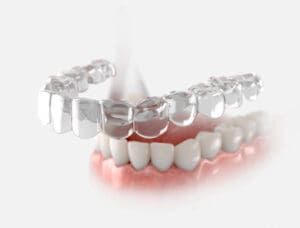
A dentist may recommend treatments designed to protect the jaw and improve function. These may include customized oral appliances that help reduce pressure from grinding or clenching.
Other options may involve adjustments to dental restorations, bite-related treatments, or therapies focused on improving jaw movement. The recommended solution depends on each patient’s needs and overall oral health.
Hamilton Dental Group focuses on helping patients understand their symptoms and explore treatment options that support long-term oral comfort and function.
Managing Long-Term Jaw Health
Preventing recurring discomfort often involves paying attention to daily habits. Small changes can make a meaningful difference when it comes to protecting your jaw joints and muscles.
Consider these long-term practices:
- Keep regular dental appointments to monitor changes in oral health.
- Notice habits such as clenching and consciously relaxing your jaw.
- Avoid repeatedly forcing the mouth open too widely.
- Address stress-related tension that affects facial muscles.
- Seek professional advice when symptoms continue or worsen.
Acting early may help prevent discomfort from becoming a more serious concern.
When Should You Seek Professional Help?
Occasional jaw sounds without pain may not require immediate attention, but ongoing symptoms should not be ignored. Professional evaluation is recommended if you experience persistent discomfort, difficulty moving your jaw, or changes that affect your everyday activities.
You should consider scheduling an appointment if you notice:
- Pain that continues despite home care.
- Frequent headaches relate to jaw tension.
- Jaw locking or difficulty opening your mouth.
- Increased discomfort while eating or speaking.
- Changes in your bite or how your teeth fit together.
A timely evaluation can help identify possible causes and provide a clearer path toward relief.
Finding Relief Through Personalized Care
Living with ongoing jaw discomfort can be frustrating, especially when it begins affecting simple daily activities. The good news is that many TMJ-related concerns can be managed with the right approach and professional guidance.
Understanding your symptoms is the first step toward improving your comfort. Whether your discomfort is related to muscle tension, teeth grinding, joint irritation, or another factor, a personalized evaluation can help determine the most suitable solution.
A healthy jaw supports many important parts of everyday life, from enjoying meals to communicating comfortably. If persistent discomfort is affecting your routine, book your consultation today and take an important step toward addressing your jaw concerns with professional support.