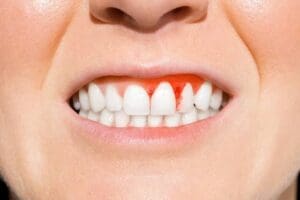
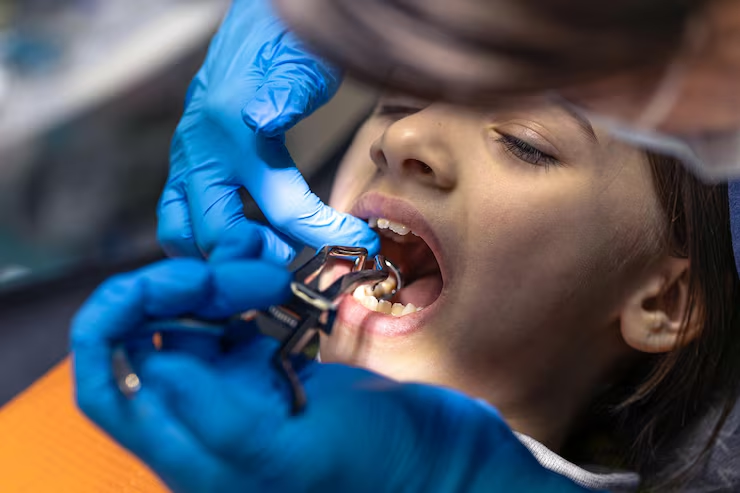
A bite that feels uneven, causes discomfort while chewing, or makes your teeth difficult to clean may be a sign of malocclusion, a condition in which the upper and lower teeth do not align properly. It can result from jaw development, tooth position, genetics, childhood habits, missing teeth, or other oral conditions. Treatment depends on the type and severity of the bite problem and may include orthodontic treatment, dental restorations, or other corrective care. At Hamilton Dental Group, understanding the cause of a bite issue is the first step toward choosing appropriate treatment.
What Does Malocclusion Mean?
Malocclusion refers to an improper relationship between the upper and lower teeth when the mouth closes. Ideally, the teeth fit together in a way that supports comfortable chewing, clear speech, and healthy function. Minor differences in alignment are common, but a more pronounced bite problem can affect oral health and daily comfort.
A misaligned bite does not always cause noticeable symptoms. Some people may have crowded teeth or an uneven bite without experiencing pain. Others may notice jaw discomfort, tooth wear, difficulty chewing, or frequent biting of the inside of the cheek.
The condition can affect children, teenagers, and adults. It is not simply a cosmetic concern. In some cases, an untreated bite problem can make oral hygiene more difficult and contribute to excessive pressure on certain teeth.
What Causes a Bad Bite?
Several factors can contribute to a bad bite. Some develop during childhood as the teeth and jaws grow, while others appear later because of changes in the teeth or supporting structures.
Genetics and Jaw Development
Jaw size and shape are strongly influenced by genetics. A person may inherit a smaller upper jaw, a larger lower jaw, or differences in the shape of the facial bones that affect how the teeth meet.
The relationship between tooth size and jaw size also matters. Teeth that are relatively large for the available jaw space can become crowded, while excess space can cause gaps.
Childhood Oral Habits
Certain habits during childhood can influence tooth and jaw development, particularly when they continue for an extended period. Thumb sucking, prolonged pacifier use, and tongue thrusting may affect the position of developing teeth.
The effect varies from person to person. Early evaluation can help identify changes in dental development before they become more difficult to correct.
Tooth Loss and Dental Changes
Missing teeth can change the way neighboring teeth sit in the mouth. Adjacent teeth may shift toward an open space, while opposing teeth can move into the area. These changes may gradually alter the bite.
Untreated cavities, damaged teeth, and poorly positioned dental restorations can also affect how the teeth come together.
Other Crooked Teeth Causes
The crooked teeth causes a patient experiences may involve several factors at once. Genetics, insufficient space, premature loss of baby teeth, retained baby teeth, and abnormal tooth eruption can all contribute to irregular positioning.
Understanding the underlying cause helps a dental professional determine which treatment is appropriate instead of addressing tooth position alone.
What Are the Main Types of Malocclusion?
Dentists and orthodontists classify bite problems according to how the upper and lower teeth relate to each other. Some people have more than one type at the same time.
Overbite
An overbite occurs when the upper front teeth extend too far over the lower front teeth vertically. A mild overbite can be normal, but a deeper overbite may cause excessive contact between the front teeth or irritation of the gums.
Underbite
An underbite occurs when the lower front teeth sit in front of the upper front teeth when the mouth closes. It may be associated with differences in jaw development or tooth positioning.
A significant underbite can affect chewing and may also influence facial balance.
Crossbite
A crossbite occurs when one or more upper teeth sit inside the lower teeth rather than outside them. It can affect the front teeth, back teeth, or both.
Depending on its location and severity, a crossbite may place uneven pressure on the teeth and supporting structures.
Open Bite
An open bite occurs when certain upper and lower teeth do not touch when the mouth is closed. It can affect the front or back teeth and may interfere with biting into food.
Childhood oral habits, tongue positioning, and jaw development can contribute to some forms of open bite.
Crowding
Crowding develops when there is not enough room for all the teeth to fit properly within the dental arch. Teeth may overlap, rotate, or become displaced.
Crowded teeth can be harder to brush and floss thoroughly, which may increase the risk of plaque buildup and gum problems.
Spacing
Spacing occurs when noticeable gaps develop between teeth. Missing teeth, unusually small teeth, differences in jaw size, or certain developmental conditions can contribute to spacing.
How Can You Tell if Your Bite Is Misaligned?
Symptoms vary according to the type of bite problem. Some signs are easy to see, while others become noticeable only during dental examination.
Common signs include:
Teeth that appear crowded, overlapping, or unusually spaced
Difficulty biting or chewing certain foods
Frequent biting of the cheek, tongue, or roof of the mouth
Other symptoms can include jaw soreness, headaches associated with jaw tension, tooth sensitivity from excessive wear, speech changes, or difficulty keeping certain areas clean.
A person can have a significant alignment issue without pain. Regular dental examinations are therefore useful for identifying changes that may not be obvious at home.
How Is a Bite Problem Diagnosed?
Diagnosis usually begins with an examination of the teeth, gums, jaw movement, and overall bite. The dentist may ask about symptoms, previous dental treatment, oral habits, and changes in chewing or jaw comfort.
Dental X-rays may be recommended to evaluate tooth roots, developing teeth, bone structures, and jaw relationships. In more complex cases, photographs, digital scans, or other records may help with treatment planning.
The goal is not simply to make the teeth look straighter. A proper assessment considers how the teeth function together and how the jaws relate to one another.
Treatment Options for Misaligned Teeth
Treatment depends on age, the type of bite problem, its severity, and the condition of the teeth and gums. Some mild cases may only require monitoring, while more significant problems may require active correction.
Braces
Traditional braces use brackets, wires, and other components to gradually move teeth into improved positions. They can address crowding, spacing, overbite, underbite, and several other alignment concerns.
Treatment time varies based on the complexity of the case and how the teeth respond to movement.
Clear Aligners
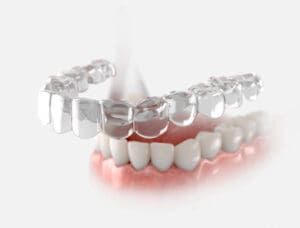
Clear aligners use a series of removable trays designed to gradually reposition teeth. They can be suitable for many mild to moderate alignment problems, although they are not appropriate for every bite condition.
Patients typically need to wear aligners for the recommended amount of time each day and change them according to their treatment plan.
Dental Restorations
Some bite problems are influenced by damaged, worn, or missing teeth. Crowns, bridges, implants, or other restorative procedures may sometimes be part of treatment.
Restorative care may improve tooth structure and function, but significant jaw or tooth-position problems may still require orthodontic care.
Jaw Surgery
Severe skeletal bite problems may involve differences in jaw position that cannot be corrected through tooth movement alone. In selected cases, corrective jaw surgery may be recommended along with orthodontic treatment.
This approach is generally reserved for complex cases after careful evaluation and treatment planning.
Comparing Common Treatment Approaches
Treatment | Common Use | Main Consideration |
|---|---|---|
Traditional braces | Crowding, spacing, and many bite problems | Fixed appliances require careful cleaning |
Clear aligners | Many mild to moderate alignment concerns | Consistent wear is necessary |
Dental restorations | Damaged, worn, or missing teeth | Treats tooth structure rather than all jaw alignment issues |
Jaw surgery with orthodontics | Significant skeletal discrepancies | More involved treatment and recovery |
The right treatment cannot be selected from the type of bite alone. A professional examination is needed to determine the source of the problem and the most appropriate correction.
Can Malocclusion Get Worse Without Treatment?
Some bite problems remain relatively stable, while others can change over time. Tooth wear, tooth loss, gum disease, shifting teeth, and changes in oral habits can alter the way the upper and lower teeth meet.
A misaligned bite may also make certain teeth harder to clean. If plaque repeatedly collects around crowded areas, the risk of cavities and gum inflammation can increase.
Not every bite problem requires immediate correction. A dental professional can assess the condition and explain the risks of monitoring it compared with treating it.
Does Orthodontic Treatment Improve More Than Appearance?
Yes. Orthodontic treatment can improve tooth alignment and the way the upper and lower teeth contact each other. Depending on the condition being treated, this may make chewing more comfortable, improve access for brushing and flossing, and reduce abnormal pressure on individual teeth.
Appearance can also improve, but it is only one part of the treatment goal. A properly planned treatment focuses on tooth position, bite function, oral health, and long-term stability.
Hamilton Dental Group can evaluate bite concerns and help patients understand which treatment options may fit their dental needs.
When Should You See a Dentist for a Bite Problem?
A dental evaluation is a good idea if your teeth no longer fit together as they once did, your bite feels uncomfortable, or you notice increasing tooth wear. Children may also benefit from an evaluation if their permanent teeth are erupting in unusual positions or their jaws appear significantly misaligned.
Adults should not assume that orthodontic care is limited to childhood. Teeth can be moved at many stages of life, although treatment plans differ based on the patient’s dental and skeletal development.
Early assessment can also identify problems that may become more difficult to manage later.
FAQ’s
What is the main cause of malocclusion?
Genetics and differences in tooth or jaw development are common causes. Other contributing factors include childhood oral habits, missing teeth, abnormal tooth eruption, dental disease, and changes caused by tooth loss.
Is a bad bite a serious problem?
A mild bite difference may not cause significant problems. A more pronounced issue can contribute to tooth wear, difficulty cleaning, chewing problems, jaw discomfort, or uneven pressure on the teeth. A dental examination can determine its significance.
Can malocclusion be corrected without braces?
Some cases can be treated with clear aligners or other approaches, depending on the cause and severity. Restorative procedures may help when damaged or missing teeth contribute to the bite issue. Severe jaw discrepancies may require additional treatment.
At what age should a child be evaluated for crooked teeth?
Children can be evaluated during routine dental visits as their teeth and jaws develop. An orthodontic assessment may be recommended when there are concerns about crowding, unusual tooth eruption, crossbite, underbite, or other developmental issues.
Does fixing a bad bite change your face?
Correcting tooth alignment can change the appearance of the smile and, in some cases, the way the lips and facial profile appear. Significant skeletal corrections can produce more noticeable facial changes, particularly when jaw surgery is involved.
Can adults fix an uneven bite?
Yes. Adults can receive orthodontic treatment for many types of bite problems. The treatment plan depends on tooth position, jaw structure, gum health, bone support, and the specific nature of the alignment issue.
A Healthier Bite Starts With the Right Diagnosis
A bite problem is not defined only by crooked teeth. The position of the teeth, the relationship between the jaws, tooth health, and everyday function all influence the diagnosis and treatment plan. Some cases are minor and can simply be monitored, while others benefit from orthodontic or restorative care.
If your bite feels different, your teeth are wearing unevenly, or chewing has become uncomfortable, an examination can clarify what is happening and what options are available. Rather than guessing at the cause, a dental professional can assess your bite and recommend care based on your individual needs.
If you have been diagnosed with a bite issue or have noticed changes in your tooth alignment, make an appointment today to discuss your concerns and possible treatment. Addressing the problem early can help protect your teeth and support comfortable oral function for years to come.