Every parent wants their child to grow up with a healthy, confident smile. While regular dental visits are an important part of oral health, many parents are unsure when it is the right time to visit an orthodontist. Some believe braces are only needed during the teenage years, but that is not always the case. An early orthodontic evaluation can identify developing concerns before they become more complicated, giving children the best opportunity for healthy dental development. At Hamilton Dental Group, families receive guidance that helps them make informed decisions about their child’s oral health journey from an early age.
Why Early Orthodontic Care Matters
Orthodontic care is about much more than creating straight teeth. It also supports proper jaw development, healthy bites, comfortable chewing, and clear speech. During childhood, the mouth and jaw are still growing, making it easier to identify and manage certain dental concerns before they become more difficult to treat.
An early assessment does not automatically mean your child will need braces right away. In many cases, it simply allows the orthodontist to monitor growth and recommend treatment only when the timing is right. This proactive approach can prevent more extensive procedures later in life.
What Is an Orthodontic Evaluation?
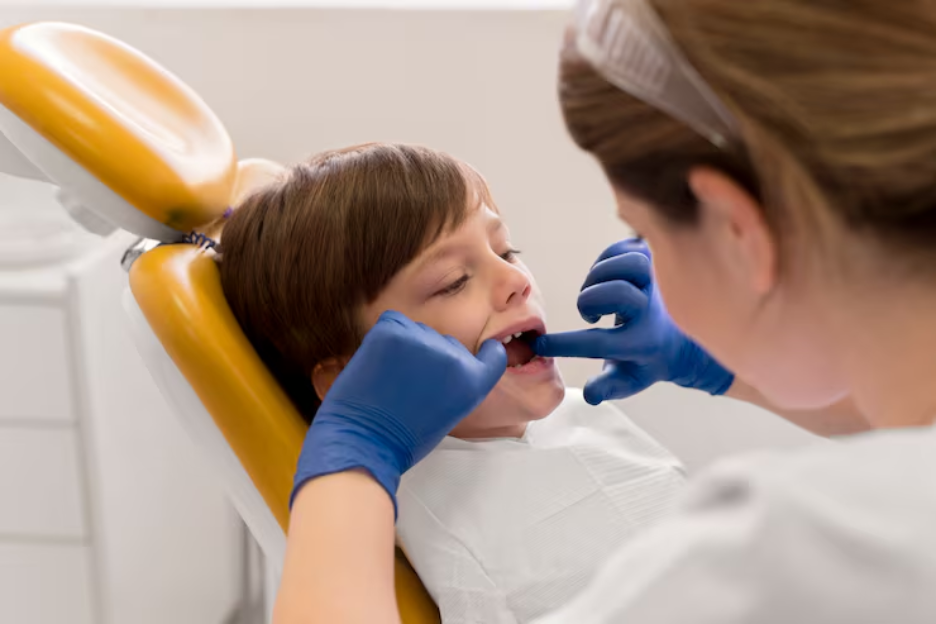
An orthodontic evaluation is a detailed examination of your child’s teeth, jaws, and bite. During the visit, the orthodontist checks how the teeth are developing, whether the jaws are growing evenly, and if there are any signs of alignment issues.
The appointment may include:
- A visual examination of the teeth and jaw.
- Dental X-rays to evaluate developing teeth.
- Bite assessment to check how the upper and lower teeth fit together.
- A discussion about oral habits and family dental history.
- A personalized treatment or monitoring plan based on your child’s needs.
Many children complete the visit without needing immediate treatment. Instead, the orthodontist schedules regular checkups to monitor development over time.
What Age Should a Child See an Orthodontist?
One of the most common questions parents ask is when they should schedule their child’s first orthodontic appointment.
Most dental professionals recommend an orthodontic assessment by around age seven. At this stage, children usually have a combination of baby teeth and permanent teeth, making it easier to detect problems that may affect future development.
This recommendation does not mean every seven-year-old need braces. Instead, it provides an opportunity to identify concerns early while growth is still working in the child’s favor.
Why Age Seven Is Often Recommended
By age seven, important changes are taking place inside the mouth. Permanent front teeth and first molars have typically erupted, giving the orthodontist a clearer picture of how the bite is developing.
An evaluation at this stage can reveal:
- Crowding is caused by limited space for incoming permanent teeth.
- Bite problems such as overbite, underbite, or crossbite.
- Jaw growth differences may affect facial balance.
- Teeth erupting in unusual positions.
- Missing or extra teeth that could influence alignment.
Finding these concerns early allows the orthodontist to decide whether observation or treatment is the best approach.
Signs Your Child May Need an Orthodontist Earlier
Although age seven is the general recommendation, some children may benefit from seeing an orthodontist for kids even sooner if noticeable symptoms appear.
Parents should consider scheduling an evaluation if they notice:
- Difficulty chewing or biting food comfortably.
- Mouth breathing continues during the day.
- Thumbs sucking beyond the preschool years.
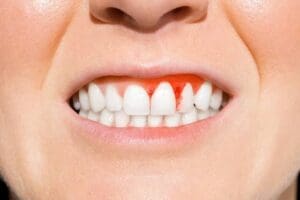
- Teeth that appear crowded, crooked, or widely spaced.
- Early or delayed loss of baby teeth.
- Clicking or shifting the jaw.
- Frequent biting of the cheeks or tongue.
- Teeth that do not meet properly when the mouth closes.
These signs do not always indicate serious problems, but they are worth discussing with an orthodontic professional.
Common Orthodontic Problems in Children
Every child’s mouth develops differently. Some children experience only minor alignment changes, while others may develop conditions requiring earlier attention.
Crowded Teeth
Crowding happens when there is not enough room for permanent teeth to grow into their proper positions. This can make brushing and flossing more difficult and increase the risk of cavities and gum problems.
Crossbite
A crossbite occurs when some upper teeth sit behind the lower teeth instead of in front. Left untreated, this can affect jaw growth and lead to uneven tooth wear.
Overbite
An overbite is when the upper front teeth overlap the lower teeth more than expected. In severe cases, it may contribute to tooth wear, gum irritation, or jaw discomfort.
Underbite
An underbite develops when the lower jaw extends beyond the upper jaw. This may influence chewing, speaking, and facial growth if left untreated.
Open Bite
An open bite occurs when the front teeth do not touch when the mouth closes. Prolonged thumb sucking or tongue thrusting habits are common contributing factors.
Does Early Treatment Mean Braces Right Away?
Many parents worry that an early visit automatically leads to braces. Fortunately, this is not usually the case.
Some children simply need periodic monitoring while their permanent teeth continue to emerge. Others may benefit from early intervention to guide jaw growth or create space for developing teeth.
The decision depends on several factors, including:
- The child’s age and stage of growth.
- The severity of the alignment issue.
- Jaw development patterns.
- Future eruption of permanent teeth.
When treatment is recommended, it is carefully planned to match your child’s individual development.
Benefits of Early Orthodontic Treatment
When necessary, timely orthodontic treatment offers several important advantages.
Supports Healthy Jaw Growth
Children’s bones are still developing, making it easier to guide jaw growth into healthier positions before adulthood.
Creates Space for Permanent Teeth
Early treatment can help make room for permanent teeth, reducing severe crowding later.
Reduces the Risk of Tooth Damage
Teeth that stick out significantly are more vulnerable to injury during sports and everyday activities. Early correction may help protect them.
Improves Oral Hygiene
Straighter teeth are generally easier to brush and floss, lowering the chances of plaque build-up and gum disease.
May Simplify Future Treatment
Addressing specific concerns during childhood can sometimes shorten or simplify treatment during the teenage years.
The Role of Monitoring in Childhood Orthodontics
Not every child requires immediate care after the first visit. Monitoring is often one of the most valuable parts of childhood orthodontics.
Regular observation allows the orthodontist to:
- Track jaw growth over time.
- Monitor the eruption of permanent teeth.
- Detect changes before they become severe.
- Recommend treatment at the most effective stage.
This careful approach avoids unnecessary treatment while ensuring problems are addressed at the right moment.
How Parents Can Support Healthy Dental Development
Parents play an essential role in protecting their child’s developing smile between appointments.
Helpful habits include:
- Encourage brushing twice daily with fluoride toothpaste.
- Help children floss once permanent teeth begin touching.
- Schedule regular dental checkups every six months.
- Limit sugary snacks and drinks.
- Encourage wearing mouth guards during contact sports.
- Discourage prolonged thumb sucking or pacifier use after the recommended age.
- Watch for changes in bite or tooth position as permanent teeth erupt.
These everyday habits work alongside professional dental care to support long-term oral health.
What to Expect During Your Child’s First Orthodontic Visit
Many children feel nervous before meeting an orthodontist, but the first appointment is usually comfortable and educational.
The visit often includes:
- A friendly conversation about dental history.
- A complete examination of the teeth and jaws.
- Digital imaging if necessary.
- An explanation of any concerns found.
- Recommendations for monitoring or future treatment.
Parents are encouraged to ask questions and discuss any concerns about their child’s oral development.
Choosing the Right Orthodontic Provider
Selecting an experienced dental team helps ensure your child receives thoughtful and personalized care. Look for professionals who take time to explain treatment options, answer questions, and create a welcoming environment for young patients.
At Hamilton Dental Group, families receive comprehensive guidance focused on prevention, early diagnosis, and individualized care plans that support healthy smiles throughout every stage of childhood.
Frequently Asked Questions
1. At what age should my child have their first orthodontic evaluation?
Most children should have their first orthodontic evaluation by around age seven. At this stage, enough permanent teeth have emerged for the orthodontist to identify potential bite, jaw, or alignment concerns, even if treatment is not yet needed.
2. Does an early orthodontic evaluation mean my child will need braces?
No. An early evaluation does not automatically mean your child needs braces. In many cases, the orthodontist simply monitors your child’s dental development and recommends treatment only if and when it becomes necessary.
3. What signs indicate my child should see an orthodontist?
You should consider scheduling an orthodontic visit if your child has crowded or crooked teeth, difficulty chewing, prolonged thumb sucking, mouth breathing, early or delayed loss of baby teeth, or noticeable bite problems such as an overbite or underbite.
4. What are the benefits of early orthodontic treatment?
Early orthodontic treatment can guide jaw growth, create space for permanent teeth, improve bite alignment, reduce the risk of dental injuries, and sometimes make future treatment shorter or less complex.
5. How long does an orthodontic evaluation take?
A child’s first orthodontic evaluation usually takes between 30 and 60 minutes. The appointment typically includes an examination, digital X-rays if needed, a bite assessment, and a discussion of the recommended next steps.
6. Can my child still see an orthodontist if they are older than seven?
Yes. While age seven is the recommended time for an initial evaluation, children and teenagers can benefit from orthodontic care at many different stages. The orthodontist will recommend the most appropriate treatment based on your child’s individual dental development.
Looking Ahead to a Healthy Smile
Every child’s smile develops at its own pace, but early guidance can make a meaningful difference. Recognizing potential concerns before they become more complex allows families to make informed decisions with confidence. Whether your child simply needs regular monitoring or eventually requires treatment, timely evaluations provide valuable peace of mind and support lifelong oral health. If you have questions about your child’s dental development, now is an excellent time to book your dentist’s consultation today and take the next step toward a healthier, brighter smile.