
Understanding Orthodontic Treatment Options at Hamilton Orthodontics
Orthodontic treatment plays a crucial role in improving dental alignment, bite function, and long term oral health. With multiple treatment options available today, choosing between braces and clear aligners requires a clear understanding of how each method works and what outcomes they offer. Patients exploring hamilton orthodontics services often want clarity on which option best aligns with their needs, lifestyle, and expectations.
Orthodontic care is not a one size fits all process. Treatment recommendations are based on dental structure, alignment concerns, and personal goals. Understanding the differences between braces and clear aligners helps patients make informed decisions and feel confident about their treatment path.
Why Choosing the Right Treatment Matters for Teens and Adults
Selecting the right orthodontic solution impacts comfort, treatment duration, and daily routines. Teens and adults may have different priorities when it comes to appearance, maintenance, and flexibility. Choosing an option that fits individual circumstances ensures better compliance and overall satisfaction with treatment.
The right choice also supports effective alignment correction while maintaining oral health throughout the process.
How Hamilton Orthodontics Evaluates Patient Needs
Orthodontic evaluation begins with a comprehensive assessment of dental alignment, bite patterns, and jaw structure. Advanced imaging and diagnostic tools allow orthodontic professionals to understand the complexity of each case. Based on this evaluation, a customized treatment plan is developed to address both functional and aesthetic concerns.
This personalized approach ensures that treatment recommendations align with patient goals and clinical needs.
What Are Traditional Braces
Traditional braces remain a widely used orthodontic solution due to their effectiveness in correcting a broad range of alignment issues. They consist of brackets attached to the teeth and connected by wires that apply consistent pressure over time.
How Adult Braces Work
Adult braces function by gradually guiding teeth into proper alignment through controlled force. Adjustments are made periodically to maintain progress and ensure steady movement. Braces are highly precise and allow orthodontists to make detailed corrections throughout treatment.
This level of control makes braces suitable for addressing complex alignment challenges.
When Braces Are the Recommended Option
Braces are often recommended for patients with significant crowding, spacing issues, or bite irregularities, and specialists at Hamilton Dental Group recognize their value when precise tooth movement is required. Orthodontists may suggest braces when aligners may not offer sufficient control for certain corrections, particularly in cases that demand detailed adjustment throughout treatment.
Their versatility makes them a dependable choice for a wide range of orthodontic needs, supporting consistent and predictable alignment outcomes under professional supervision.
What Are Clear Aligners
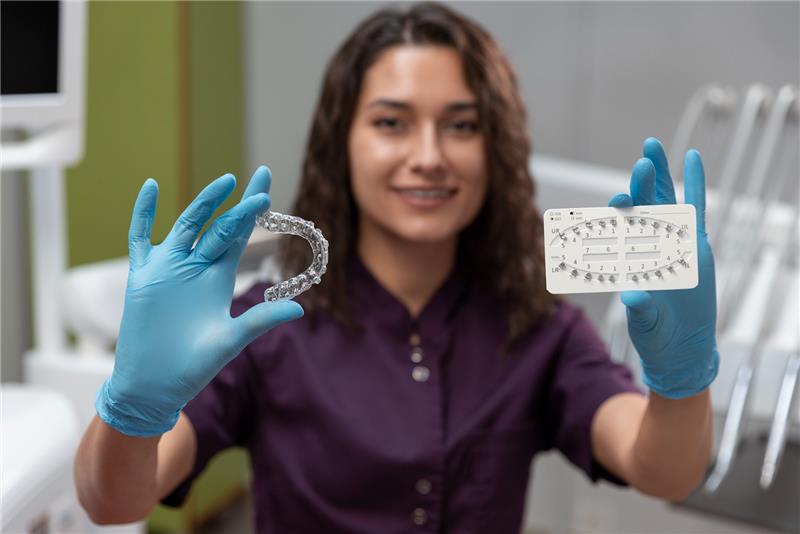
Clear aligners are a modern orthodontic option designed to straighten teeth using a series of removable trays. These trays are custom made to fit the patient’s teeth and are replaced at regular intervals to guide gradual movement.
How Clear Aligners Hamilton Ohio Patients Use Straighten Teeth
Clear aligners work by applying gentle, consistent pressure to shift teeth into alignment. Each set of aligners represents a step in the treatment process, gradually moving teeth closer to their desired position. Patients wear aligners for most of the day, removing them only for eating and oral hygiene.
This method offers a discreet alternative for those seeking a less visible treatment option.
Invisalign Near Me vs Other Clear Aligner Systems
Clear aligner systems vary in design and technology, but they share the same core principles. Differences may exist in treatment planning software, material quality, and customization options. Orthodontic providers evaluate which system best suits the patient’s needs based on alignment goals and treatment complexity.
Professional guidance ensures that aligners are selected and monitored effectively.
Braces vs Clear Aligners: Key Differences
Understanding the key differences between braces and clear aligners helps patients compare options more clearly. Each method offers distinct advantages depending on lifestyle preferences and orthodontic requirements.
Appearance, Comfort, and Daily Lifestyle
Clear aligners are often favored for their subtle appearance, making them less noticeable during daily interactions. Braces are more visible but are fixed in place, eliminating the need to remember to wear them. Comfort levels vary, with both options requiring an adjustment period.
Lifestyle considerations such as eating habits and daily routines play an important role in determining suitability.
Treatment Time and Effectiveness
Treatment duration depends on the complexity of the alignment issue and patient compliance. Braces often provide consistent progress regardless of patient involvement, while aligners require disciplined wear to achieve results. Both options are effective when used as directed and monitored by an orthodontic professional.
Clear communication about expectations helps patients stay committed to the process.
Choosing Between Adult Braces and Clear Aligners
Deciding between braces and clear aligners involves evaluating personal priorities and responsibilities. Each option requires a different level of involvement and care.
Confidence, Visibility, and Professional Appearance
For individuals concerned about visibility, clear aligners offer a discreet solution that blends into professional and social environments. Braces, while more noticeable, are often chosen for their reliability and effectiveness in complex cases.
Confidence in treatment choice contributes to a positive orthodontic experience.
Maintenance and Patient Responsibility
Clear aligners require patients to follow a consistent wear schedule and maintain proper cleaning routines. Braces involve regular hygiene practices and adjustments but do not rely on removal or daily compliance. Understanding these responsibilities helps patients choose an option that fits their habits.
Commitment to maintenance supports successful outcomes.
Cost and Consultation Considerations
Cost is an important factor when selecting orthodontic treatment. Understanding pricing structures and payment options helps patients plan accordingly.
Treatment Planning at Hamilton Orthodontics
Comprehensive treatment planning includes an evaluation of alignment needs, treatment duration, and cost considerations. Providers at Hamilton Dental Group offer consultations to discuss available options and recommend the most effective approach.
Transparent planning ensures patients understand the scope of treatment and expected outcomes.
Insurance and Flexible Payment Options
Many orthodontic practices offer flexible payment plans to make treatment more accessible. Insurance coverage varies, so reviewing benefits during the consultation helps clarify financial responsibilities. Flexible options allow patients to focus on treatment without added stress.
Clear communication about costs supports informed decision making.
Who Is a Good Candidate for Each Option
Not every orthodontic option suits every patient. Determining candidacy depends on age, alignment complexity, and lifestyle factors.
Teens, Adults, and Complex Alignment Needs
Teens and adults may both benefit from braces or clear aligners depending on their orthodontic needs. Complex alignment issues may require the precision of braces, while mild to moderate cases may be suitable for aligners. An experienced orthodontist in ohio evaluates these factors during consultation.
Personalized assessment ensures effective treatment selection.
Personalized Treatment Recommendations
Customized recommendations consider dental health, aesthetic goals, and patient preferences. Orthodontic professionals guide patients through the decision process, ensuring clarity and confidence in the chosen option.
Personalized care supports long term satisfaction and oral health improvement.
Conclusion
Choosing between braces and clear aligners depends on individual needs, alignment complexity, and lifestyle preferences. Both options offer effective solutions when guided by professional evaluation and proper treatment planning. Understanding the differences in appearance, maintenance, and effectiveness allows patients to make informed decisions.
Consulting with an experienced orthodontic provider ensures that treatment recommendations align with both clinical needs and personal goals. To explore orthodontic options and begin your treatment journey, you can contact the team for a comprehensive consultation.
Frequently Asked Questions
Q1. Are braces or clear aligners more effective?
Both are effective when used appropriately and monitored by an orthodontist.
Q2. How long does orthodontic treatment usually take?
Treatment duration varies depending on alignment complexity and patient compliance.
Q3. Do clear aligners require more responsibility?
Yes, aligners require consistent wear and proper maintenance for success.
Q4. Are braces better for complex cases?
Braces often provide greater control for complex alignment and bite issues.
Q5. How do I know which option is right for me?
A professional consultation helps determine the most suitable treatment based on your needs.