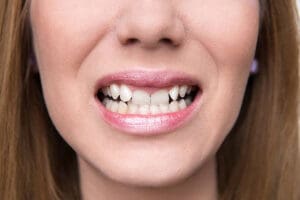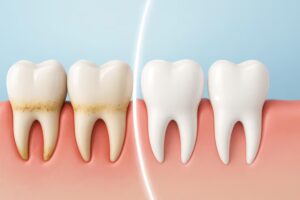
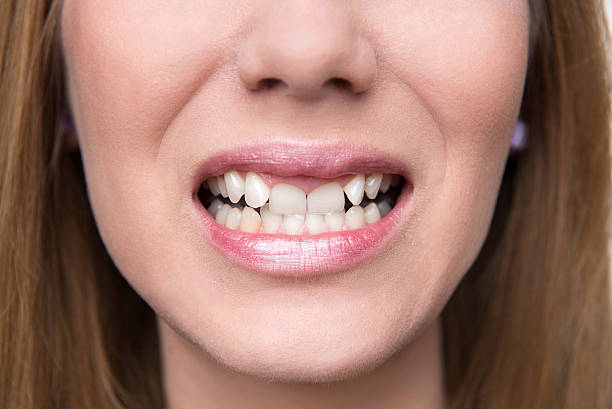
Moving crooked teeth can affect gum health, particularly when a patient already has thin gums, existing gum recession, or limited bone support. Although orthodontic treatment can improve tooth alignment and make cleaning easier, moving teeth beyond the natural boundaries of their supporting bone may increase the risk of gum recession. Understanding the connection between orthodontics and gum recession helps teens, adults, and parents make informed decisions before starting treatment. A periodontal treatment, careful treatment planning, and consistent oral hygiene can help protect the gums while teeth are being straightened. At Hamilton Dental Group, evaluating the health of the teeth and supporting tissues is an important part of planning long-term dental care.
Can Orthodontic Treatment Cause Gum Recession?
Yes, orthodontic treatment can contribute to gum recession in certain patients, but it does not automatically cause gum damage. The risk depends on several factors, including the thickness of the gum tissue, the position of the teeth, existing periodontal conditions, and the amount and direction of tooth movement.
Teeth move through a natural biological process called bone remodeling. When controlled pressure is applied to a tooth, the surrounding bone gradually changes to accommodate its new position. The periodontal ligament, which connects the tooth root to the surrounding bone, also responds to this pressure.
However, the gum tissue and bone have natural anatomical limits. If a tooth is moved too far outside its supporting bone, the area may develop reduced bone coverage or a thin bony area. This can contribute to gum recession, particularly in patients who already have delicate gum tissue.
The relationship between orthodontics and gum recession is therefore influenced by both the patient’s existing oral health and the orthodontic treatment plan.
Why Moving Crooked Teeth Can Affect Gum Health
Crooked teeth do not all carry the same periodontal risks. The direction in which a tooth needs to move, its current position, and the condition of the surrounding tissues determine how the gums respond.
Several factors deserve attention before treatment begins.
1. Thin Gum Tissue
Some people naturally have thin gum tissue, which provides less protection around the tooth roots. Thin gums may be more vulnerable to recession when teeth move, particularly if the movement places additional pressure on the supporting tissues.
Patients with thin gums may experience:
- Greater visibility of tooth roots if recession develops.
- Increased sensitivity around affected teeth.
- Less resistance to irritation from aggressive brushing.
- Greater concern when teeth need significant movement.
Thin gum tissue does not mean orthodontic treatment is unsuitable. However, it may require more careful planning and monitoring.
2. Limited Bone Support
The jawbone provides the foundation that holds teeth in position. Each tooth sits within a natural bony housing, and orthodontic movement needs to respect its anatomical boundaries.
If a tooth is already positioned close to the outer edge of the supporting bone, moving it further outward may increase the risk of bone thinning or defects. In some cases, the gum tissue may recede as the supporting structures change.
This is particularly relevant for patients with crowded lower front teeth or teeth that lean significantly forward.
3. Existing Gum Recession
Patients who already have exposed tooth roots may face additional periodontal concerns during orthodontic treatment.
Existing recession can result from several causes, including:
- Previous periodontal disease.
- Brushing with excessive pressure.
- Naturally thin gum tissue.
- Tooth position outside the supporting bone.
- Previous dental or orthodontic treatment.
An orthodontist should assess the affected areas before deciding how much movement is appropriate.
4. Poor Oral Hygiene
Braces create additional surfaces where plaque can collect. Food particles may become trapped around brackets, wires, and the gumline, making cleaning more challenging.
Plaque accumulation can cause gum inflammation, which may develop into gingivitis. If periodontal disease progresses, it can damage the bone and supporting tissues around the teeth.
Good hygiene is therefore essential for maintaining healthy gums during orthodontic treatment.
Gum Recession Braces: Why Some Patients Face Higher Risks
The connection between gum recession and braces is not the same for every patient. Traditional braces apply controlled forces to move teeth, but the amount and direction of movement influence how the surrounding tissues respond.
Patients may have a higher risk of gum recession braces complications if they have:
- Thin or delicate gum tissue.
- Existing periodontal disease or previous gum recession.
- Naturally narrow bone around certain teeth.
- Significant crowding requiring extensive tooth movement.
- Teeth that already sit outside their supporting bone.
- Poor plaque control during treatment.
Braces themselves are not necessarily harmful to the gums. Problems are more likely when tooth movement is not suited to the patient’s periodontal condition or when plaque-related inflammation remains untreated.
An orthodontist can adjust treatment mechanics, movement speed, and positioning to help reduce unnecessary pressure on vulnerable areas.
Do Clear Aligners Affect Gums Differently From Braces?
Clear aligners and traditional braces can both straighten crooked teeth. However, they differ in design, cleaning requirements, and how they apply pressure.
Clear aligners are removable trays that gradually guide teeth into planned positions. Traditional braces use brackets and wires attached to the teeth.
| Feature | Traditional Braces | Clear Aligners |
|---|---|---|
| Design | Brackets and wires attached to teeth | Removable transparent trays |
| Cleaning | Requires cleaning around brackets and wires | Trays can be removed for brushing and flossing |
| Plaque control | Food may collect around brackets | Easier access to teeth during cleaning |
| Gum irritation | Wires or brackets may irritate nearby tissues | Poorly fitting trays may irritate gum edges |
| Tooth movement | Suitable for a wide range of orthodontic corrections | Suitable for many mild to complex cases, depending on planning |
| Gum recession risk | Depends on anatomy, hygiene, and movement | Also depends on anatomy, hygiene, and movement |
For patients comparing treatment options, factors such as cleaning requirements, comfort, and orthodontic needs can help determine the right choice. A closer look at the differences between braces and clear aligners can help patients evaluate which approach better suits their dental needs and daily routine.
Do clear aligners protect against gum recession?
Not automatically. Clear aligners and gums can work well together when treatment is properly planned and patients maintain good oral hygiene. However, aligners cannot prevent recession caused by moving teeth beyond their supporting bone or by pre-existing periodontal problems.
The choice between braces and aligners should depend on the patient’s orthodontic needs, gum condition, and ability to maintain proper cleaning habits.
Why Periodontal Health Before Orthodontics Matters
A periodontal assessment before orthodontic treatment helps identify conditions that could affect treatment outcomes.
Healthy gums provide support and protection around the teeth. If gum inflammation or periodontal disease is already present, applying orthodontic forces without addressing the condition may increase the risk of further damage.
An assessment may include:
Gum examination: The dentist or periodontist checks for inflammation, bleeding, gum recession, and periodontal pocket depth.
Bone support evaluation: Dental X-rays may help assess bone levels and identify areas that need additional attention.
Gum thickness assessment: The clinician evaluates the thickness and quality of the gum tissue around teeth that need significant movement.
Bite and tooth position analysis: The orthodontist examines crowding, spacing, tooth inclination, and the direction of planned movement.
Oral hygiene evaluation: Existing plaque accumulation and cleaning habits are reviewed before treatment begins.
At Hamilton Dental Group, patients can discuss their gum health concerns and the importance of maintaining healthy supporting tissues as part of their dental care planning.
Signs of Gum Recession During Orthodontic Treatment
Gum recession may develop gradually, so patients should pay attention to changes around their teeth during treatment.
Common signs include:
- Longer-looking teeth: Teeth may appear longer because more of the root surface becomes exposed.
- Visible root surfaces: The area near the gumline may look yellowish compared with the enamel.
- Tooth sensitivity: Exposed roots may react to cold drinks, hot foods, or brushing.
- Changes in the gumline: The gum margin may appear uneven or lower around certain teeth.
- Spaces near the gumline: Small triangular gaps may become more noticeable between teeth.
These symptoms do not always indicate orthodontic damage. Tooth movement can change how teeth sit next to one another, and some patients naturally have uneven gum contours.
However, new or worsening recession should be evaluated rather than ignored.
How to Protect Your Gums During Orthodontic Treatment
Maintaining healthy gums requires consistent care throughout orthodontic treatment. Patients can reduce plaque-related inflammation and help protect their periodontal tissues by following a few practical habits.
1. Brush Carefully Twice a Day
Use a soft-bristled toothbrush and fluoride toothpaste. Brush gently along the gumline and around brackets if you wear traditional braces.
Avoid scrubbing aggressively, as excessive brushing pressure can contribute to gum recession.
2. Clean Between Your Teeth Daily
Food particles and plaque can collect in areas that a regular toothbrush cannot reach.
Depending on your orthodontic appliance, useful cleaning options include:
- Interdental brushes for cleaning around brackets and wires.
- Floss threaders for reaching between teeth with braces.
- Orthodontic floss designed for easier cleaning.
- Water flossers as an additional cleaning aid.
3. Attend Regular Dental Checkups
Professional dental cleanings help remove plaque and hardened deposits that may be difficult to eliminate at home.
Your dentist can also identify early gum inflammation and recommend changes to your cleaning routine.
4. Follow Your Orthodontist’s Instructions
Wear aligners for the recommended number of hours and attend scheduled adjustment appointments if you have braces.
Do not attempt to speed up tooth movement by changing aligners earlier than instructed or applying additional pressure.
5. Report Changes in Your Gumline
Tell your dentist or orthodontist if you notice bleeding, swelling, sensitivity, or exposed tooth roots. Early evaluation helps identify the cause and determine if treatment adjustments are necessary.
Can Orthodontic Treatment Continue If You Already Have Gum Recession?
Yes, many patients with existing gum recession can still receive orthodontic treatment. However, the condition needs to be assessed before treatment begins.
The clinician may recommend treating active gum disease first, modifying the planned tooth movements, or arranging a consultation with a periodontist.
Patients with existing gum concerns should discuss appliance selection as part of their treatment planning. Understanding the available braces and clear aligner options in Hamilton can help them prepare for a discussion about suitable orthodontic care.
Depending on the patient’s condition, the treatment plan may include:
- Controlling existing gum inflammation or periodontal disease.
- Evaluating bone support and gum thickness.
- Selecting tooth movements that respect the supporting bone.
- Monitoring areas with existing recession throughout treatment.
- Considering periodontal procedures if additional tissue support is needed.
In selected cases, a gum graft may be recommended to increase tissue thickness or cover exposed roots. The timing of this procedure depends on the individual periodontal and orthodontic findings.
Having gum recession does not automatically rule out braces or clear aligners. The priority is to establish a treatment plan that considers both tooth alignment and periodontal stability.
Frequently Asked Questions
1. Can braces cause permanent gum recession?
Braces can contribute to permanent gum recession in some patients, particularly when teeth are moved beyond their supporting bone or when periodontal inflammation is present. However, properly planned orthodontic treatment does not automatically cause recession.
2. Does gum recession from braces grow back?
Receded gum tissue generally does not grow back naturally. A dentist or periodontist may recommend a gum graft in selected cases to cover exposed roots or improve tissue thickness.
3. Are clear aligners safer for patients with thin gums?
Clear aligners are not automatically safer for patients with thin gums. Both aligners and traditional braces can affect periodontal tissues. The patient’s anatomy, existing gum condition, and planned tooth movements matter more than the appliance alone.
4. Should gum disease be treated before getting braces?
Yes. Active gum disease should generally be treated and controlled before orthodontic treatment begins. Moving teeth in the presence of uncontrolled periodontal inflammation can increase the risk of further bone and tissue damage.
5. Can crooked teeth cause gum problems without braces?
Yes. Crowded or overlapping teeth can create areas where plaque collects, making effective cleaning difficult. This can contribute to gum inflammation and periodontal disease. However, crooked teeth do not automatically cause gum recession.
6. How often should gums be checked during orthodontic treatment?
Gum health should be reviewed during regular dental and orthodontic visits. Patients with existing recession, thin gums, or a history of periodontal disease may need more frequent monitoring based on their clinician’s recommendations.
Protect Your Gum Health Before Straightening Your Teeth
Straightening crooked teeth can improve dental alignment, bite function, and access for daily cleaning. However, successful orthodontic treatment also depends on the health of the gums and supporting bone. Patients with thin gums, existing recession, or previous periodontal problems may need additional evaluation before treatment begins.
Understanding the relationship between orthodontics and gum recession allows patients to make informed decisions about braces, clear aligners, and periodontal care. A treatment plan should consider the natural boundaries of the supporting bone, the condition of the gum tissue, and the amount of movement required.
If you or your child are considering orthodontic treatment, schedule an appointment with a dental professional to assess gum health and discuss suitable treatment options. Early evaluation can help identify concerns and support healthier, more stable results throughout the teeth-straightening process.