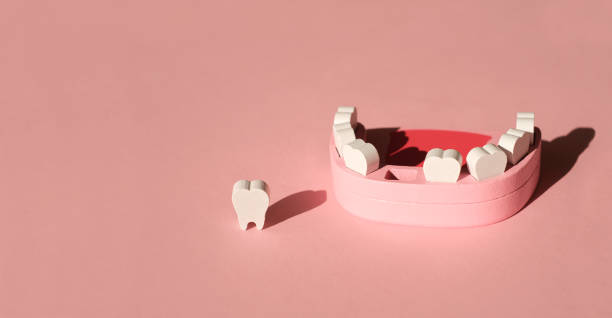
Losing a tooth affects more than your ability to chew or the appearance of your smile. The jawbone beneath the missing tooth gradually loses the stimulation it once received during biting and chewing. Without that stimulation, the body begins to break down and absorb some of the surrounding bone. This process, known as jawbone loss after tooth loss, can change facial contours, affect nearby teeth, and make future tooth replacement more complicated. Hamilton Dental Group helps patients understand these changes and consider suitable dental treatment options before additional bone loss occurs.
The changes are not always visible immediately. A missing tooth may leave a noticeable gap, but the gradual reduction in bone beneath the gums can continue quietly. Understanding why this happens, how it affects oral health, and which treatments can help preserve the jawbone allows patients to make better decisions after tooth loss.
Why Does the Jawbone Shrink After Losing a Tooth?
Your jawbone needs regular stimulation to maintain its structure. Every time you bite or chew, pressure travels through the tooth roots into the surrounding bone. This stimulation supports the natural process of bone renewal, in which old bone tissue is broken down and replaced with new tissue.
When a tooth is lost, the root is no longer present to transfer those forces to the jawbone. The body gradually begins to resorb the bone in the area because it no longer receives the same functional stimulation.
This process is called bone resorption. It is a natural biological response, not an infection or a disease by itself.
The amount and speed of bone loss can vary from person to person. Some patients experience noticeable changes within the first year, while others have more gradual changes over several years.
How Much Bone Can You Lose After Tooth Loss?
Bone loss can begin soon after a tooth is removed. The most significant changes often occur during the first few months as the extraction site heals and the ridge that once supported the tooth begins to remodel.
Research has shown that the jawbone can lose a considerable amount of its original width during the first six months following tooth extraction. The extent of this change depends on several factors, including the location of the tooth, the condition of the surrounding bone, the reason for tooth loss, and individual healing patterns.
The following factors can influence bone resorption:
- Location of the missing tooth: Bone changes can differ between the front and back portions of the jaw.
- Existing gum disease: Periodontal disease may have already weakened the bone before tooth loss.
- Infection: An infection around the tooth can damage the supporting bone.
- Time without replacement: Leaving a space untreated allows the area to continue adapting without normal tooth-root stimulation.
- Overall health: Certain medical conditions, medications, and smoking habits can influence bone health and healing.
There is no single timeline or amount of bone loss that applies to every patient. A dental examination and appropriate imaging can help assess the condition of the affected area.
Five Ways Jawbone Loss Can Affect Your Oral Health
The effects of tooth loss and bone loss extend beyond the empty space in your smile. Changes in the supporting bone can influence the surrounding teeth, facial appearance, and future dental treatment.
1. Changes in Facial Appearance
The jawbone provides structural support for the lower part of your face. As bone volume decreases, the gums and surrounding soft tissues may lose some of their underlying support.
This can contribute to:
- A sunken appearance around the mouth
- Reduced support for the lips and cheeks
- More noticeable wrinkles around the mouth
- Changes in the lower facial profile
These facial changes after tooth loss are generally more noticeable when several teeth are missing or when tooth loss has remained untreated for a long time.
2. Movement of Nearby Teeth
Teeth naturally help maintain one another’s positions within the dental arch. When a tooth is missing, neighbouring teeth may gradually tilt or shift into the empty space.
This movement can create additional gaps, change the way your teeth meet when biting, and make cleaning between teeth more difficult.
When a tooth is missing, neighbouring teeth may gradually tilt or shift into the empty space. This movement can affect how your upper and lower teeth meet, creating uneven pressure during chewing. Some patients may also experience discomfort around the jaw joint. Existing symptoms such as clicking, limited jaw movement, or soreness may require a separate evaluation for jaw pain and jaw joint problems.
If the opposing tooth no longer has a contact point, it may also gradually move out of its original position.
3. Difficulty Chewing Certain Foods
A missing tooth reduces the number of teeth available to break down food. As the supporting bone changes and nearby teeth shift, chewing may become less comfortable or efficient.
Patients missing back teeth may notice difficulty with firmer foods. Missing several teeth can place additional pressure on the remaining teeth, potentially contributing to uneven wear.
4. Changes in Gum Shape and Support
The gums follow the underlying jawbone. As the bone shrinks, the gum ridge may become narrower or shorter.
This can create an uneven gum contour around the missing tooth. It may also affect the fit and appearance of certain dental restorations, especially removable dentures.
5. More Complex Future Tooth Replacement
Bone loss can affect the space and support available for dental restorations. Dental implants, in particular, require sufficient bone volume to provide stable support.
If significant resorption has occurred, additional procedures such as bone grafting may be recommended before implant placement.
This does not mean implants are no longer an option. It means treatment planning may require additional steps.
Can Jawbone Loss Be Reversed?
Once the body has absorbed part of the jawbone, the lost bone does not usually grow back on its own. However, certain dental procedures can rebuild or improve the available bone structure.
The appropriate treatment depends on how much bone remains, the location of the missing tooth, and the type of restoration being considered.
Bone grafting is one of the main procedures used to address insufficient jawbone volume. During this treatment, a dentist or oral surgeon places grafting material in the affected area to support new bone formation.
Bone grafting material may come from different sources:
- Autogenous bone: Bone collected from another area of the patient’s own body.
- Allograft: Processed bone material obtained from a human donor.
- Xenograft: Bone material obtained from an animal source and processed for dental use.
- Synthetic graft material: A manufactured material designed to support bone regeneration.
Over time, the grafted area heals and develops new bone tissue. The healing period varies according to the size of the graft, the patient’s health, and the treatment site.
Bone grafting does not automatically mean a patient needs dental implants. It can also be considered when rebuilding the jawbone is necessary for other restorative or functional reasons.
How Tooth Replacement Options Affect Jawbone Health
Replacing a missing tooth restores more than the visible part of your smile. The type of restoration you choose also affects how the missing tooth area receives support.
Not all tooth replacement options provide the same benefits for the underlying jawbone.
| Tooth replacement option | How it works | Effect on jawbone |
|---|---|---|
| Dental implant | A small post is placed in the jawbone to support a replacement tooth. | Transfers chewing forces to the surrounding bone and provides stimulation around the implant. |
| Dental bridge | Artificial teeth are supported by neighbouring natural teeth or implants. | Restores the visible tooth but does not directly stimulate the bone beneath a missing natural tooth. |
| Removable partial denture | Replaces one or more missing teeth and can be removed for cleaning. | Restores appearance and chewing function but does not replace natural tooth-root stimulation. |
| Complete denture | Replaces all teeth in the upper or lower arch. | Does not prevent ongoing bone resorption beneath the denture. |
Each tooth replacement option offers different benefits for appearance, chewing function, and long-term oral health. Dental implants replace the missing tooth root and stimulate the surrounding bone, while traditional bridges restore the visible gap without directly stimulating the underlying bone. Comparing dental implants and bridges for missing teeth can help patients understand the differences in treatment, maintenance, and jawbone support.
Each option has a different purpose, and the right choice depends on the number of missing teeth, bone condition, remaining teeth, and personal treatment needs.
1. Dental Implants for Supporting the Jawbone
Dental implants are designed to replace the function of a natural tooth root. The implant post is placed inside the jawbone, where it gradually bonds with the surrounding bone through a process called osseointegration.
Once healing is complete, the implant can support a crown, bridge, or denture.
An implant-supported restoration can provide several benefits:
- Restores chewing function without relying on neighbouring natural teeth for support.
- Transfers functional forces to the surrounding jawbone.
- Helps maintain bone around the implant site through ongoing stimulation.
- Provides a stable foundation for replacement teeth.
However, implants do not restore every part of the jawbone that has already been lost. Patients with reduced bone volume may require grafting before or during implant placement.
2. Dental Bridges to Replace Missing Teeth
A dental bridge fills the space left by one or more missing teeth using artificial teeth supported by neighbouring natural teeth or dental implants. The supporting crowns hold the bridge in position and restore chewing function. Patients considering this type of restoration can review how dental crowns and bridges for tooth restoration work and how these restorations address different dental needs.
A bridge can restore the appearance of the dental arch and improve chewing ability. However, it does not replace the missing tooth root or provide direct stimulation to the bone beneath the empty space.
Bridges may be suitable for patients who prefer a fixed restoration or are not candidates for implant surgery.
3. Dentures for Multiple Missing Teeth
Partial and complete dentures replace missing teeth with removable restorations. They can help improve speech, appearance, and chewing function.
However, the pressure from a removable denture does not provide the same bone stimulation as natural tooth roots or implants. As the jawbone changes shape, the denture may become loose or uncomfortable and require adjustments, relining, or replacement.
Patients missing several teeth should have their dentures checked regularly to maintain a proper fit.
When Is Bone Grafting Recommended After Tooth Loss?
Bone grafting may be recommended when the jawbone does not have enough height or width to support a planned dental restoration.
Some common situations include:
- Long-standing missing teeth: The jawbone may have narrowed after years without tooth-root stimulation.
- Advanced gum disease: Periodontal damage may have reduced the bone supporting the teeth.
- Infection-related bone damage: An infection around a tooth may have affected the surrounding bone.
- Traumatic tooth loss: An injury may have damaged both the tooth and the supporting bone.
- Preparation for dental implants: Additional bone may be needed to provide suitable support and implant positioning.
In certain cases, a procedure called socket preservation may be performed at the time of tooth extraction. It involves placing grafting material into the extraction socket to help limit changes in the ridge as it heals.
This procedure can help preserve the available bone, although it cannot prevent all natural bone changes. Research also indicates that the evidence comparing different socket-preservation materials remains limited.
Cochrane+1
Why Early Dental Assessment Matters After Losing a Tooth
The first few months after tooth loss are an important period for evaluating the condition of the jawbone. Although bone changes continue over time, much of the early reduction in ridge width and height occurs during the initial healing period.
A systematic review published in Clinical Oral Implants Research reported an average horizontal bone reduction of approximately 3.8 mm and vertical reduction of approximately 1.2 mm at six months after extraction. Individual results vary depending on the tooth location and healing conditions.
An early dental assessment can help identify changes before they affect future treatment choices.
A dentist may recommend:
- Clinical examination: Checks the gums, missing tooth area, neighbouring teeth, and available space.
- Dental X-rays: Help assess the supporting bone and identify underlying dental problems.
- 3D imaging when needed: A CBCT scan can provide a more detailed view of bone height, width, and nearby anatomical structures when implant planning requires it.
- Treatment planning: Helps determine if an implant, bridge, denture, or bone graft is appropriate.
At Hamilton Dental Group, an assessment can help patients understand the condition of their remaining teeth and supporting jawbone before selecting a tooth replacement option.
What Can You Do to Reduce Further Bone Loss?
You cannot completely stop the natural bone changes that follow tooth extraction. However, timely treatment and good oral care can help protect your remaining teeth and support better long-term oral health.
Consider these steps:
- Avoid delaying dental evaluations: Discuss replacement options soon after losing a tooth.
- Maintain gum health: Brush twice daily and clean between your teeth to reduce plaque buildup.
- Treat gum disease: Periodontal infections can contribute to further damage to the supporting bone.
- Follow restoration care instructions: Keep implants, bridges, and dentures clean according to your dentist’s recommendations.
- Attend regular dental checkups: Routine examinations help identify changes in bone support, gum health, and restoration fit.
- Avoid smoking: Smoking can interfere with healing and increase the risk of complications involving the gums and implants.
These habits cannot restore bone that has already been lost, but they can help maintain the health of the remaining oral structures.
Frequently Asked Questions About Jawbone Loss After Tooth Loss
1. How quickly does jawbone loss start after losing a tooth?
Jawbone changes begin shortly after tooth extraction or tooth loss. The most noticeable reduction in bone width and height generally occurs during the first three to six months. Bone remodelling can continue at a slower rate for many years.
2. Can you lose jawbone without experiencing pain?
Yes. Bone resorption usually does not cause pain by itself. Many patients have no noticeable symptoms during the early stages. Changes may become apparent through gum contour changes, denture fit problems, or dental imaging.
3. Does bone loss happen after losing just one tooth?
Yes. Even a single missing tooth can lead to bone resorption in the area where its root was located. The amount of bone loss depends on the location of the tooth, existing bone condition, and individual healing response.
4. Can dental implants stop jawbone loss?
Dental implants can provide stimulation to the surrounding bone through functional chewing forces. They help maintain the bone around the implant, but they cannot guarantee that all bone changes will stop. Bone loss can still occur due to infection, excessive forces, or other implant complications.
5. Can you get dental implants after years of missing teeth?
Yes. Many patients can receive dental implants even after several years without a tooth. However, the jawbone may have reduced in width or height. Bone grafting may be recommended to create sufficient support before implant placement.
6. Does a dental bridge prevent bone loss?
A traditional dental bridge restores the missing tooth’s appearance and chewing function, but it does not replace the natural root beneath the missing tooth. As a result, bone resorption can continue in that area.
7. Is bone grafting always necessary before dental implants?
No. Patients with sufficient bone volume may receive implants without additional grafting. Bone grafting is recommended when the available bone cannot provide suitable support or when additional bone is needed for proper implant positioning.
8. Can dentures cause further jawbone loss?
Dentures do not directly stimulate the jawbone like natural tooth roots or dental implants. The underlying bone can continue to shrink over time, changing the fit of the denture. Regular dental assessments help identify when adjustments or replacement are needed.
Protecting Your Jawbone Starts With Timely Tooth Replacement
Losing a tooth changes more than the appearance of your smile. The jawbone gradually adapts to the absence of its natural tooth root, and this can affect facial support, neighbouring teeth, chewing function, and future restorative treatment. Although some bone changes are a natural part of healing, timely assessment can help identify ways to preserve the remaining bone and address areas that have already lost volume.
Dental implants, bridges, dentures, and bone grafting each serve different purposes. The right treatment depends on your oral health, bone condition, and the number of missing teeth. Speaking with a Dentist in Hamilton can help you understand the available options and make an informed decision about your dental health.
If you have lost one or more teeth, do not wait for visible facial changes or denture-fitting problems before seeking advice. Schedule an examination and fix an appointment with Hamilton Dental Group to discuss suitable tooth replacement options and protect your long-term oral health.