If you are researching dental implants Hamilton residents rely on, you may already know how much missing teeth can affect your daily life. Whether you have lost a tooth because of injury, decay, or gum disease, the impact goes far beyond appearance. Missing teeth can affect your confidence, make eating more difficult, and change the way you speak.
Many people assume tooth loss is simply a cosmetic concern. In reality, leaving gaps in your smile can lead to shifting teeth, bite problems, and gradual bone loss in the jaw. Fortunately, modern dental implants offer a long-lasting solution that closely mimics the appearance and function of natural teeth.
At Hamilton Dental Group, patients often choose dental implants because they provide stability, comfort, and a natural-looking smile. Understanding your available teeth implant options can help you make an informed decision about restoring your oral health and confidence.
Why Replacing Missing Teeth Matters
When a tooth is lost, the surrounding structures begin to change.
The jawbone in the area no longer receives stimulation from chewing. Over time, this can lead to bone deterioration. Nearby teeth may also shift into the empty space, creating alignment issues and increasing the risk of future dental problems.
Replacing missing teeth can help:
-
Restore normal chewing function
-
Improve speech clarity
-
Support facial structure
-
Prevent shifting teeth
-
Protect jawbone health
-
Enhance smile appearance
-
Improve self-confidence
For many patients, dental implants provide one of the most effective ways to address these concerns.
What Are Dental Implants?
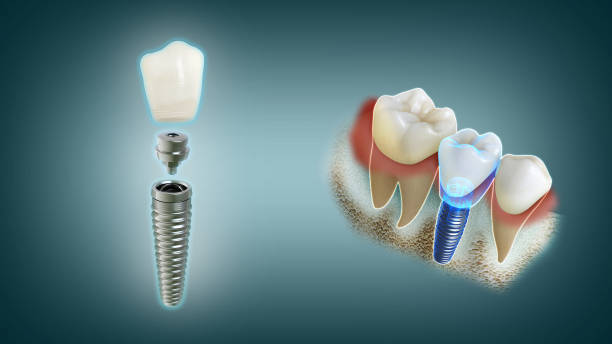
Dental implants are artificial tooth roots designed to support replacement teeth. They are placed within the jawbone and serve as a stable foundation for crowns, bridges, or dentures.
Unlike traditional tooth replacement methods that rest on the gums, implants integrate with the bone and function similarly to natural tooth roots.
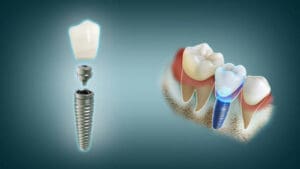
A dental implant restoration generally consists of:
Implant Post
The implant post is placed into the jawbone and acts as the foundation.
Abutment
The abutment connects the implant post to the replacement tooth.
Custom Restoration
The visible portion may be a crown, bridge, or denture designed to match your natural smile.
Together, these components create a secure and natural-looking tooth replacement solution.
Why Dental Implants Feel More Natural Than Other Options
One of the biggest advantages of dental implants Hamilton is their ability to closely replicate natural teeth.
Unlike removable appliances, implants remain securely in place during everyday activities.
Patients often appreciate that implants allow them to:
-
Eat comfortably
-
Speak naturally
-
Smile confidently
-
Maintain oral hygiene easily
-
Avoid slipping or shifting restorations
Because implants become integrated with the jawbone, they offer a level of stability that many other replacement options cannot provide.
Understanding Your Teeth Implant Options
Not every patient has the same restorative needs. Fortunately, several implant solutions are available.
Single Tooth Dental Implants
When only one tooth is missing, a single implant can support an individual crown.
This option helps preserve neighboring teeth while restoring function and appearance.
Multiple Dental Implants
Patients missing several teeth may benefit from strategically placed implants supporting a bridge.
This approach can restore larger sections of the smile without replacing every missing tooth root.
Full Dental Implants
Patients experiencing extensive tooth loss often consider full dental implants.
This solution provides comprehensive restoration while offering greater stability than traditional removable options.
Dental Implants Dentures
Dental implants and dentures combine the benefits of implant support with full arch restoration.
Many patients prefer implant-supported dentures because they feel more secure and comfortable than conventional dentures.
Who Is a Good Candidate for dental implants in Hamilton?
Many adults with missing teeth may qualify for implant treatment.
Ideal candidates generally have:
-
Healthy gums
-
Adequate jawbone support
-
Good overall oral health
-
Commitment to oral hygiene
-
Realistic treatment expectations
Even if you have experienced bone loss, additional treatment options may still make implants possible.
A professional consultation is the best way to determine candidacy.
The Dental Implant Procedure Explained
Many patients feel nervous about treatment simply because they do not know what to expect.
Understanding the implant procedure can help reduce uncertainty.
Initial Consultation
Your dentist evaluates your oral health, reviews your goals, and develops a personalized treatment plan.
Treatment Planning
Digital imaging helps determine optimal implant placement and assess bone structure.
Implant Placement
The implant is carefully positioned within the jawbone.
Healing Phase
The bone gradually bonds with the implant, creating a stable foundation.
Restoration Placement
Once healing is complete, the custom restoration is attached.
The result is a strong, functional, and natural-looking replacement tooth.
Benefits of Choosing Dental Implants
Dental implants offer advantages that extend beyond aesthetics.
Long-Term Stability
Implants are designed to provide durable support for replacement teeth.
Improved Chewing Function
Patients can enjoy a wider variety of foods with greater confidence.
Bone Preservation
Implants help stimulate the jawbone and reduce bone loss associated with missing teeth.
Natural Appearance
Modern restorations are customized to blend seamlessly with surrounding teeth.
Better Comfort
Unlike removable restorations, implants remain securely in place.
Dental Implants vs Traditional Dentures
Many patients compare implants and dentures before making a decision.
Traditional dentures can effectively replace missing teeth. However, they may shift during eating or speaking.
Dental implants provide greater stability because they are anchored within the jawbone.
Patients frequently choose implants when seeking:
-
Improved comfort
-
Better chewing ability
-
Enhanced confidence
-
Increased stability
-
Long-term oral health support
The right solution depends on your individual needs and goals.
How to Care for Dental Implants
Maintaining implants is similar to caring for natural teeth.
Healthy habits include:
Daily Brushing
Brush thoroughly to remove plaque and food particles.
Regular Flossing
Flossing helps keep the surrounding gum tissue healthy.
Professional Dental Visits
Routine examinations allow your dental team to monitor implant health.
Healthy Lifestyle Choices
Avoiding tobacco products can help support long-term success.
Consistent care contributes to the longevity and performance of your implant restoration.
Common Concerns About Dental Implants
Patients often have questions before beginning treatment.
Are Dental Implants Noticeable?
Implants are designed to blend naturally with your smile.
Is Recovery Difficult?
Most patients resume normal activities relatively quickly following treatment.
Can Older Adults Receive Implants?
Age alone does not prevent candidacy. Oral health and bone support are typically more important considerations.
How Long Do Implants Last?
With proper care and maintenance, implants can provide long-term function and support.
Why Patients Choose Hamilton Dental Group for Dental Implants
Choosing the right provider plays an important role in your treatment experience.
At Hamilton Dental Group, patients receive personalized care focused on restoring function, comfort, and confidence. Every treatment plan is tailored to the patient’s unique needs, ensuring that recommended implant solutions align with long-term oral health goals.
Whether you need a single tooth replacement or full dental implants, professional guidance can help you understand your options and make an informed decision.
Final Thoughts
Living with missing teeth can affect much more than your appearance. It can influence your confidence, comfort, speech, and overall oral health. Fortunately, modern dental implants offer a dependable solution that closely replicates the look and function of natural teeth.
Whether you are exploring single tooth replacement, dental implants, dentures, or full dental implants, understanding your options is the first step toward rebuilding a healthy and confident smile.
At Hamilton Dental Group, our team is committed to helping patients find the right tooth replacement solution for their unique needs. If you are ready to learn whether dental implants are right for you, contact Hamilton Dental Group today to schedule a consultation and take the next step toward restoring your smile.
Frequently Asked Questions
1. Are dental implants better than dentures?
Both options have advantages. Many patients prefer implants because they provide greater stability and function.
2. How do I know if I qualify for dental implants?
A dental examination and consultation can determine whether implant treatment is appropriate for your needs.
3. Can dental implants replace multiple missing teeth?
Yes. Implants can support crowns, bridges, and implant-supported dentures depending on the extent of tooth loss.
4. Will my dental implants look natural?
Yes. Implant restorations are custom-designed to match the appearance of your natural teeth.
5. How do I care for dental implants?
Daily brushing, flossing, and regular dental visits help maintain implant health and longevity.
6. Can dental implants help prevent bone loss?
Yes. Implants help stimulate the jawbone and support long-term bone preservation.