A straighter smile can improve more than just your appearance. Properly aligned teeth are often easier to clean, can improve your bite, and may contribute to better long-term oral health. If you are thinking about straightening your teeth, one of the biggest questions you will face is braces vs clear aligners. Both treatments are effective, but the right choice depends on your dental needs, lifestyle, and personal preferences. At Hamilton Dental Group, patients often ask which option delivers the best results, and the answer is different for everyone. This guide explains the differences, benefits, and limitations of each treatment so you can make an informed decision with confidence.
Why Straightening Your Teeth Matters
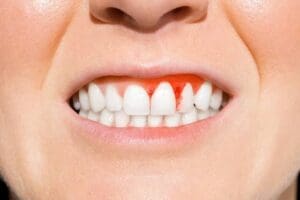
Orthodontic treatment is about much more than creating an attractive smile. Crooked or crowded teeth can make brushing and flossing difficult, increasing the risk of cavities and gum disease. Bite problems can also place extra pressure on certain teeth, leading to uneven wear or jaw discomfort over time.
Modern orthodontic care offers multiple ways to correct alignment issues, giving patients more flexibility than ever before. Whether you choose traditional braces or clear aligners, both methods aim to improve the health, function, and appearance of your smile.
What Are Traditional Braces?
Traditional braces use metal or ceramic brackets attached to the teeth and connected with wires. Your orthodontist gradually adjusts these wires throughout treatment to move teeth into their desired positions.
Braces have been used successfully for decades and remain one of the most reliable options for treating mild, moderate, and complex orthodontic problems.
Advantages of Braces
- They effectively treat simple and complicated alignment issues.
- They work continuously because they stay attached to the teeth.
- They can correct severe bite problems more efficiently.
- They are suitable for patients of nearly every age.
- Modern designs are smaller and more comfortable than older versions.
Potential Drawbacks
- Braces are visible while smiling or speaking.
- Certain foods must be avoided to prevent damage.
- Cleaning around brackets requires additional care.
- Some discomfort may occur after adjustments.
What Are Clear Aligners?
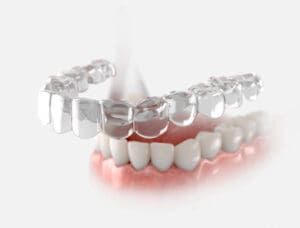
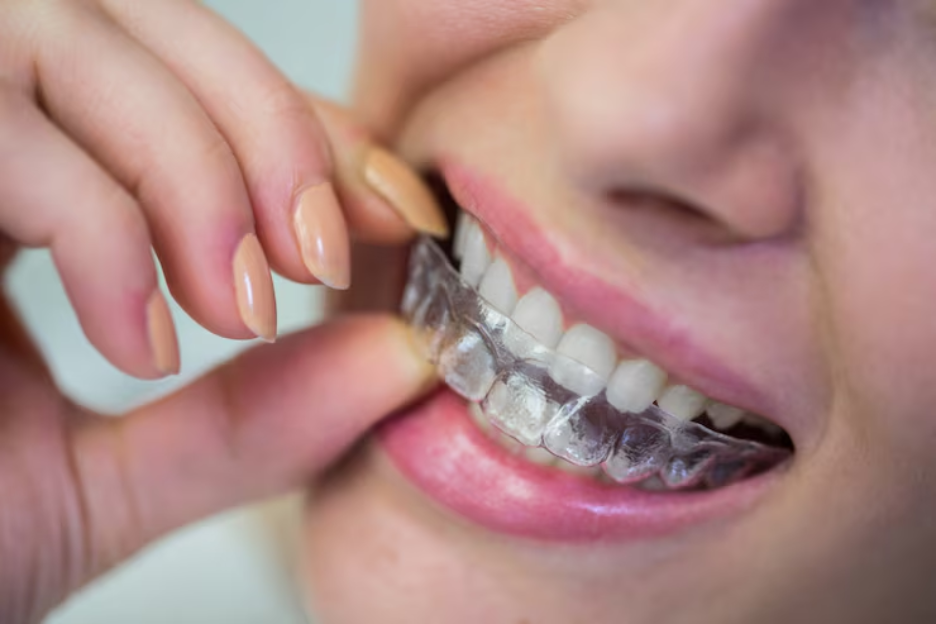
Clear aligners are removable, custom-made plastic trays that gradually shift your teeth into alignment. Patients typically wear each set of aligners for one to two weeks before moving to the next set in the series.
Many people comparing Invisalign vs braces are attracted to clear aligners because they are nearly invisible and fit comfortably over the teeth.
Benefits of Clear Aligners
- They are discreet and difficult for others to notice.
- They can be removed while eating and drinking.
- Oral hygiene is generally easier because brushing and flossing remain unchanged.
- Smooth plastic trays reduce irritation on the cheeks and lips.
- There are usually fewer emergency visits for broken appliances.
Possible Limitations
- They require excellent patient commitment.
- Aligners should be worn for at least 20 to 22 hours each day.
- Losing or forgetting to wear aligners may delay treatment.
- Complex orthodontic cases may still require braces.
Invisalign vs Braces: Comparing the Key Differences
Choosing between Invisalign vs braces involves looking beyond appearance. Each treatment offers unique advantages depending on your goals and dental condition.
Appearance
Clear aligners are the preferred choice for patients who want a subtle treatment option. Since they are transparent, they blend naturally with your teeth.
Traditional braces remain visible, although ceramic braces provide a less noticeable alternative than metal brackets.
Comfort
Both treatments require an adjustment period. Braces may cause temporary irritation from brackets or wires, while clear aligners apply gentle pressure as teeth move.
Many patients find aligners slightly more comfortable because they do not have sharp edges or metal components.
Treatment Effectiveness
Braces continue working around the clock because they are permanently attached during treatment.
Clear aligners produce excellent results for many patients, particularly those with mild to moderate alignment concerns. However, more complicated cases involving significant bite corrections or tooth movement often respond better to traditional braces.
Treatment Time
Treatment length depends on the complexity of each case.
Simple orthodontic treatment may take less than a year, while more advanced corrections can require two years or longer.
Following your orthodontist’s instructions plays a major role in achieving the fastest possible results.
Oral Hygiene
Maintaining oral hygiene with braces requires extra attention because food particles can become trapped around brackets and wires.
Clear aligners simplify brushing and flossing because they are removed during daily oral care routines.
Food Restrictions
Patients wearing braces should avoid hard, sticky, or chewy foods that could damage the brackets.
With clear aligners, there are very few dietary restrictions because the trays are removed before meals. However, they should only be worn while drinking water to prevent staining or damage.
Which Treatment Is Better for Adults?
Adults often prefer clear aligners because they fit easily into professional and social settings. Their nearly invisible appearance makes them popular among people who want a discreet solution.
However, adults with complex orthodontic issues may still benefit more from braces. Your orthodontist will evaluate factors such as tooth position, bite alignment, and jaw function before recommending the most appropriate treatment.
The best choice is not always the least noticeable option. It is the one that safely delivers the healthiest and most predictable results.
Which Option Works Best for Teenagers?
Teenagers can achieve excellent results with treatment.
Braces remain popular because they do not rely on patient discipline. Since they stay attached to the teeth, treatment continues regardless of daily habits.
Clear aligners are ideal for responsible teens who are committed to wearing them consistently. Some aligner systems even include wear indicators that help monitor compliance.
Parents should consider their teenager’s maturity, sports participation, and daily routine before deciding.
Cost Considerations
The cost of orthodontic treatment varies depending on several factors.
- The complexity of tooth movement.
- The length of treatment.
- The type of braces or aligners selected.
- The experience of the orthodontic provider.
- Insurance coverage and available payment options.
While clear aligners sometimes cost slightly more than traditional braces, pricing has become increasingly competitive. Many dental practices offer flexible financing plans that make either option more accessible.
Instead of focusing only on the initial cost, consider the long-term value of improved oral health and confidence.
Lifestyle Factors to Think About
Your everyday habits should influence your decision just as much as your dental condition.
You may prefer clear aligners if you:
- Frequently attend meetings or public events.
- Want minimal changes to your appearance.
- Enjoy eating a wide variety of foods.
- Are committed to wearing aligners consistently.
Traditional braces may be a better fit if you:
- Have complex orthodontic concerns.
- Prefer a treatment that works continuously.
- Do not want to remember to wear removable trays.
- Need a significant bite correction.
What Does the Treatment Process Look Like?
Regardless of the option you choose, the journey follows several important steps.
Initial Consultation
Your orthodontist examines your teeth, bites, and jaws while taking digital images or impressions.
Personalized Treatment Plan
A customized plan is developed to determine how your teeth will move and approximately how long treatment will take.
Active Treatment
Braces require regular adjustment appointments, while clear aligners involve switching to new trays according to your treatment schedule.
Retention Phase
Once treatment is complete, retainers help maintain your new smile and prevent teeth from gradually shifting back.
Retention is an essential part of every orthodontic treatment plan and should never be overlooked.
Common Myths About Braces and Clear Aligners
Many misconceptions can make choosing a treatment more confusing than necessary.
Myth 1: Clear aligners only work for minor cases.
Many moderate alignment issues can be successfully corrected using clear aligners when prescribed by an experienced orthodontic professional.
Myth 2: Braces are only for children.
Adults of all ages successfully improve their smiles with braces every year.
Myth 3: Treatment is always painful.
Both braces and aligners create temporary pressure as teeth move, but severe pain is uncommon. Most patients adapt quickly after adjustments or changing aligners.
Myth 4: Results happen immediately.
Healthy tooth movement takes time. Consistency and following professional instructions are essential for achieving lasting results.
How to Make the Right Decision
Choosing between braces and clear aligners is a personal decision based on clinical needs and lifestyle preferences.
Ask yourself these questions:
- How important is a discreet appearance?
- Can you wear removable aligners consistently every day?
- Do you have complex bite or alignment concerns?
- Are food restrictions likely to affect your daily routine?
- What treatment option fits your budget?
A professional consultation provides the most accurate recommendation because every smile is unique. Hamilton Dental Group can evaluate your individual needs and explain which solution offers the safest and most effective outcome.
Frequently Asked Questions
Are clear aligners as effective as braces?
Clear aligners are highly effective for many mild to moderate orthodontic cases when worn as directed. Traditional braces are often the better choice for more complex tooth movements and significant bite corrections. Your orthodontist can recommend the most suitable treatment after evaluating your teeth.
How long does orthodontic treatment usually take?
The length of orthodontic treatment depends on the complexity of your case. Many patients complete treatment within 12 to 24 months, although simpler cases may take less time and more complex cases may require longer.
Is Invisalign better than braces?
There is no single option that is best for everyone. When comparing Invisalign vs braces, clear aligners offer a discreet appearance and greater flexibility, while braces provide excellent control for more challenging orthodontic cases. The right choice depends on your individual dental needs and lifestyle.
Can adults get braces or clear aligners?
Yes. Adults of all ages can benefit from orthodontic treatment. Both braces and clear aligners are effective options for improving tooth alignment, bite function, and overall oral health.
Do clear aligners hurt?
Clear aligners may cause mild pressure for a few days when switching to a new set of trays. This is a normal sign that your teeth are moving. Most patients find discomfort temporary and manageable.
Which treatment is easier to maintain?
Clear aligners are generally easier to maintain because they can be removed for brushing, flossing, and meals. Braces require more careful cleaning around brackets and wires, along with avoiding certain hard or sticky foods.
How do I know which treatment is right for me?
The best way to decide is through a professional orthodontic evaluation. Your dentist or orthodontist will assess your teeth, bite, oral health, and treatment goals before recommending the option that will provide the safest and most effective results.
Final Thoughts on Choosing Your Ideal Smile
Both braces and clear aligners have helped millions of people achieve healthier, more confident smiles. Traditional braces remain the gold standard for complex orthodontic cases, while clear aligners offer flexibility and convenience for many mild to moderate concerns. The right treatment depends on your oral health, goals, commitment, and professional evaluation. By understanding the strengths of each option, you can move forward with confidence and realistic expectations. If you are ready to begin your smile transformation, schedule a professional evaluation and book your dental consultation today to discover the treatment that best fits your needs.