Why Whitening Does Not Fix Every Type of Tooth Discoloration
Tooth whitening does not correct every type of discoloration because some stains develop beneath the enamel rather than on the tooth’s surface. Intrinsic tooth discolorationoccurs within the enamel or dentin and may result from aging, certain medications, developmental conditions, dental trauma, or changes inside the tooth. Unlike surface stains from coffee, tea, or tobacco, these deeper color changes can be difficult to remove with conventional whitening products. Patients who continue to see dark, gray, or uneven teeth after whitening may need cosmetic treatments such as dental bonding, veneers, or internal bleaching. At Hamilton Dental Group, identifying the cause of discoloration helps determine the most appropriate treatment for improving a patient’s smile.
Surface Stains and Intrinsic Discoloration: What Is the Difference?
Tooth discoloration generally falls into two categories: extrinsic staining and intrinsic staining. The location of the stain determines how easily it can be treated.
Extrinsic Stains Develop on the Tooth Surface
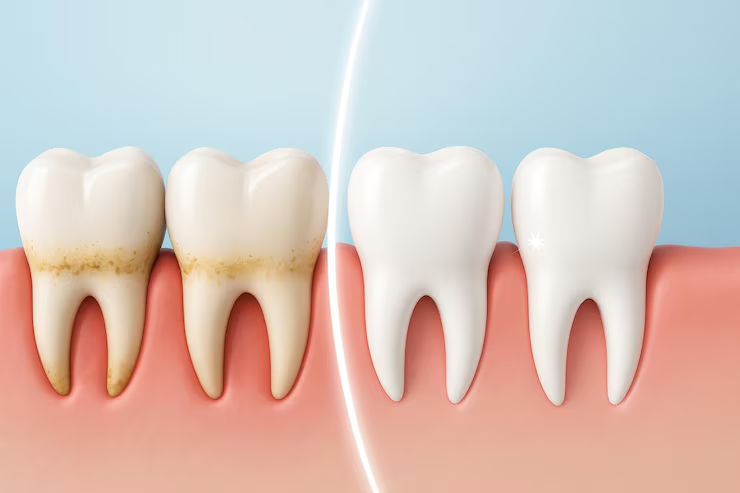
Extrinsic stains form on the outer enamel layer. They commonly result from regular exposure to colored foods, beverages, and certain lifestyle habits.
Common causes include:
- Coffee and tea: Dark pigments gradually accumulate on enamel.
- Red wine and dark-colored foods: Pigments from these foods can leave visible stains.
- Tobacco use: Tar and nicotine contribute to yellow or brown discoloration.
- Plaque buildup: Poor plaque control can make teeth appear dull or stained.
- Certain mouth rinses: Long-term use of chlorhexidine-containing products can contribute to surface staining.
Professional dental cleaning can remove many surface deposits, while appropriate whitening treatments can reduce stains that remain within the natural tooth structure.
Intrinsic Stains Develop Inside the Tooth
Intrinsic stains originate within the enamel or dentin. Dentin is the naturally yellowish layer beneath enamel, and changes in its color or the surrounding tooth structure can affect the appearance of the entire tooth.
Common causes include:
- Aging: Enamel gradually wears and becomes thinner, allowing more of the underlying dentin color to show.
- Medication exposure: Certain antibiotics, including tetracycline taken during tooth development, can cause lasting discoloration.
- Excessive fluoride exposure during development: Dental fluorosis may create white lines, patches, or brown areas.
- Dental trauma: An injury can affect the pulp and cause the tooth to change color.
- Pulp damage or infection: Changes inside the tooth can produce gray, brown, or dark discoloration.
- Developmental conditions: Some inherited conditions affect enamel or dentin formation.
These conditions can cause intrinsic tooth discoloration that does not respond predictably to ordinary whitening products.
Why Whitening May Not Work on Deep Tooth Stains
Whitening products generally contain hydrogen peroxide or carbamide peroxide. These ingredients release oxygen-based compounds that break down stain molecules within natural tooth structures, making the teeth appear lighter. Patients with surface staining may benefit from professional teeth whitening treatments, but deeper discoloration often requires a different treatment approach.
However, the result depends on the source, depth, and type of discoloration.
Several factors explain why whitening not working is a common concern among patients with deeper stains.
1. The Discoloration Is Beneath the Enamel
Surface whitening products are more effective against certain external stains. Deep tooth stains may extend into the dentin, where conventional external whitening has less predictable results.
For example, a tooth with long-standing brown or gray discoloration may show little improvement after several whitening sessions. Repeated applications do not necessarily produce a better result.
2. The Tooth Has Changed Color Following Trauma
An injury can damage the pulp, which contains the tooth’s nerves and blood vessels. Bleeding products and other changes within the pulp chamber can affect the surrounding dentin.
This can create a gray tooth or a dark tooth after trauma. The discoloration may develop gradually, sometimes long after the original injury.
External whitening alone may not address the underlying cause. A dental examination is necessary to assess pulp health and determine if additional treatment is required.
3. Existing Dental Restorations Have Different Colors
Crowns, veneers, fillings, and other tooth-colored restorations are made from materials that do not respond to peroxide whitening in the same way as natural enamel.
For example, a patient with older composite fillings on the front teeth may whiten the surrounding natural enamel, but the fillings retain their original shade. This can make the difference in color more noticeable.
Restorations may need polishing, repair, or replacement to achieve a consistent appearance.
4. The Discoloration Has a Developmental Cause
Certain conditions affect the formation of enamel or dentin while teeth are developing. Fluorosis and tetracycline-related staining are two examples.
These changes can produce white patches, yellow-brown areas, or dark bands that remain visible after conventional whitening.
Depending on the severity, a dentist may recommend microabrasion, carefully planned bleaching, bonding, or veneers.
What Does a Gray or Dark Tooth Indicate?
A single tooth that looks darker than its neighbors deserves attention, particularly if the color change appeared after an injury.
A gray tooth can indicate changes within the pulp, including loss of pulp vitality. However, discoloration alone cannot confirm that the pulp is dead or infected.
Other possible causes include:
- Previous root canal treatment.
- Internal bleeding following an injury.
- Calcific changes within the pulp chamber.
- Old restorative materials.
- Tooth decay or structural damage.
A dentist may assess the tooth using a clinical examination, pulp sensibility tests, and dental X-rays. These findings help determine if the tooth is healthy, injured, or affected by infection.
Seek prompt dental assessment if discoloration develops alongside pain, swelling, tenderness, or a gum pimple. A tooth that becomes dark after an accident should also be examined, even if it does not hurt. Some dental injuries cause changes without immediate symptoms.
Cosmetic Treatments for Intrinsic Tooth Discoloration
The appropriate treatment depends on the cause of the stain, the condition of the tooth, and the amount of natural tooth structure that remains healthy. Cosmetic dental treatments for persistent discoloration may include professional bleaching, bonding, veneers, or restorative procedures, depending on the clinical findings.
Cosmetic treatment does not always begin with veneers or crowns. A dentist may recommend a more conservative option if it can achieve a satisfactory result.
1. Professional Whitening for Suitable Cases
Professional whitening may still help with certain forms of intrinsic tooth discoloration. Dentist-supervised treatment uses carefully selected bleaching agents and application methods.
It may be considered for:
- Mild to moderate internal discoloration.
- General yellowing associated with aging.
- Certain medication-related stains.
- Discoloration that responds to external bleaching.
Results vary according to the cause and severity of staining. Some gray and brown discolorations are more resistant than ordinary yellow surface stains.
A dentist should assess the teeth before treatment to avoid unnecessary whitening attempts.
2. Internal Bleaching for a Dark Tooth
Internal bleaching may be an option for a discolored tooth that has already undergone root canal treatment.
Unlike conventional whitening, the bleaching material is placed inside the tooth’s pulp chamber by a dental professional. The material works from within to reduce the internal discoloration.
This approach may help patients with a dark tooth after trauma or discoloration associated with previous pulp damage and root canal treatment.
However, internal bleaching is not suitable for every tooth. The root canal treatment and remaining tooth structure must be assessed first. The dentist also needs to consider the risk of complications, including external cervical root resorption, and follow an appropriate clinical protocol.
3. Cosmetic Bonding for Localized Discoloration
Cosmetic bonding uses tooth-colored composite resin to cover or improve the appearance of a discolored area.
It may be suitable for:
- Small areas of discoloration.
- Mild to moderate stains affecting individual teeth.
- Minor chips and surface irregularities.
- Patients who prefer a conservative cosmetic option.
The dentist selects a resin shade that blends with the surrounding teeth and shapes the material to create a natural appearance.
Bonding usually requires less alteration of natural tooth structure than veneers. However, composite resin can stain or wear over time and may require polishing or repair.
4. Veneers for More Noticeable Discoloration
Dental veneers are thin coverings placed over the front surfaces of teeth. They can conceal discoloration that does not respond adequately to whitening. Patients considering veneers and cosmetic bonding can discuss the differences in tooth preparation, appearance, durability, and maintenance with their dentist.
Veneers for discoloration may be considered when patients have:
- Persistent dark or gray staining.
- Deep brown or banded discoloration.
- Uneven tooth shades that affect the smile.
- Existing enamel irregularities alongside staining.
Porcelain veneers offer good color stability and can be customized to match the desired appearance. Composite veneers provide another option, although their durability and staining resistance differ.
Veneer treatment usually involves some removal of enamel, and the amount depends on the material and clinical situation. Since enamel removal is generally irreversible, the dentist should assess less invasive alternatives first.
5. Crowns or Other Restorative Treatment
A crown may be appropriate if discoloration occurs alongside significant structural damage, extensive decay, a large existing restoration, or a weakened tooth.
Unlike bonding or veneers, a crown covers the entire visible portion of the tooth above the gumline.
The choice of restoration should depend on the tooth’s structural condition, not color alone. Placing a crown solely to conceal a stain may involve more tooth preparation than necessary.
Comparing Whitening, Bonding, Veneers, and Crowns
Each treatment addresses discoloration differently. The following comparison explains their general uses.
| Treatment | Main purpose | Best suited for |
|---|---|---|
| Professional whitening | Lightens natural tooth color | Suitable surface and selected internal stains |
| Internal bleaching | Lightens a tooth from inside | Certain root canal-treated teeth |
| Cosmetic bonding | Covers localized discoloration | Small stains, chips, and minor defects |
| Porcelain veneers | Covers the front tooth surface | Persistent and noticeable discoloration |
| Dental crowns | Covers the entire visible tooth | Discoloration with significant structural damage |
The most suitable option depends on the diagnosis, enamel condition, restoration history, and cosmetic goals.
How Dentists Determine the Right Treatment
Treating discoloration successfully starts with identifying its cause. Two teeth that look equally dark may require completely different procedures.
A dental assessment generally involves the following steps:
1. Reviewing the discoloration history
The dentist asks when the color change began, if it affects one or several teeth, and if whitening or previous dental procedures have been attempted.
2. Examining the teeth and gums
The examination helps identify cavities, enamel defects, old fillings, cracks, gum problems, and other visible changes.
3. Checking pulp health
For a single dark tooth, pulp sensibility tests may help assess the condition of the nerve and blood supply. Dental X-rays may also be needed to examine the roots and surrounding bone.
4. Evaluating existing restorations
The dentist checks crowns, fillings, and veneers because these materials will not become lighter through conventional whitening.
5. Discussing suitable treatment options
After identifying the likely cause, the dentist can explain the expected results, treatment limitations, maintenance requirements, and possible alternatives.
At Hamilton Dental Group, this assessment helps patients consider cosmetic improvements while preserving healthy tooth structure whenever possible.
Can You Prevent Tooth Discoloration From Getting Worse?
Not every form of intrinsic staining can be prevented. Developmental conditions, past injuries, and certain medication-related changes may leave lasting marks.
However, good oral care can help reduce additional staining and protect natural teeth.
Consider these habits:
- Brush twice daily with a fluoride toothpaste.
- Clean between your teeth regularly using floss or another suitable interdental aid.
- Limit frequent exposure to strongly pigmented foods and beverages.
- Avoid tobacco products.
- Attend routine dental examinations and professional cleanings.
- Wear a suitable mouthguard during contact sports.
- Seek prompt dental care after an injury to the mouth.
Avoid using abrasive powders, concentrated peroxide, or unverified whitening mixtures to remove stubborn stains. These products may irritate the gums or damage tooth surfaces without correcting the underlying cause.
Frequently Asked Questions
1. Why are my teeth still yellow after whitening?
Your teeth may remain yellow because the underlying dentin naturally has a yellow tone, or because the discoloration extends beyond the surface enamel. Aging, enamel thinning, medication exposure, and developmental conditions can all affect the final result. A dental examination can help identify the reason and determine if another treatment is needed.
2. Can intrinsic tooth discoloration be removed completely?
Some forms of intrinsic tooth discoloration can be improved significantly, but complete removal is not guaranteed. The outcome depends on the cause, depth, and severity of the stain. Professional whitening, internal bleaching, bonding, and veneers may help achieve a more even appearance.
3. Why is one tooth darker than the others?
A single dark tooth may have experienced trauma, pulp damage, previous root canal treatment, or changes associated with an old restoration. A gray or brown tooth should be examined to check its internal health. Whitening without identifying the cause may delay necessary treatment.
4. Do veneers work for deep tooth stains?
Yes. Veneers can cover many forms of deep discoloration that do not respond adequately to whitening. They are particularly useful for persistent stains affecting the front teeth. However, the dentist must check enamel thickness, tooth health, and suitability before recommending them.
5. Can dental bonding cover a dark tooth?
Cosmetic bonding can conceal some localized stains by applying tooth-colored composite resin to the affected surface. Its suitability depends on the darkness of the stain and the ability to achieve a natural shade match. More severe discoloration may require another restorative option.
6. Can a tooth turn gray after an injury?
Yes. Dental trauma can cause internal bleeding, pulp damage, or changes in dentin formation, resulting in a gray appearance. The color change may occur immediately or develop over time. A dental examination is necessary to assess pulp health and determine if treatment is required.
7. Do crowns and fillings become whiter with teeth whitening?
No. Crowns, fillings, veneers, and other restorative materials do not respond to conventional peroxide whitening. The surrounding natural teeth may become lighter while the restorations retain their existing color. Replacing or modifying an existing restoration may be considered after whitening is completed.
Choosing the Right Approach for a Brighter Smile
Persistent tooth discoloration does not always mean that whitening products are ineffective. The underlying cause may simply require a different treatment. Surface stains, discoloration inside the tooth, trauma-related changes, and older restorations each present different clinical considerations.
A professional assessment can help identify the source of the color change and determine if whitening, internal bleaching, cosmetic bonding, veneers, or restorative treatment is appropriate. Rather than continuing with whitening products that produce little improvement, patients can discuss options that address the actual cause of discoloration.
If your teeth have not responded as expected to whitening, consider scheduling an appointment with Hamilton Dental Group to discuss your concerns and available treatment options. A suitable treatment plan can improve the appearance of your smile while taking the health and condition of your natural teeth into account.