A small cavity, cracked tooth, or untreated gum problem can allow bacteria to reach the inner parts of a tooth and cause a dental infection. What begins as mild sensitivity or occasional toothache can progress into severe pain, pus formation, facial swelling, and, in serious cases, an infection that spreads beyond the affected tooth. Early treatment can stop this progression and help preserve the natural tooth. At Hamilton Dental Group, patients can receive an evaluation to identify the source of dental problems and determine the appropriate treatment before complications develop.
How Does a Tooth Infection Start?
A tooth has several layers that protect its inner structures. The outer enamel provides a hard protective covering, while the dentin underneath forms another layer of defense. At the center is the dental pulp, which contains nerves, blood vessels, and connective tissue.
Bacteria can enter these inner structures when the protective layers become damaged. Common causes include:
- Untreated cavities: Tooth decay gradually breaks down enamel and dentin, allowing bacteria to move toward the pulp.
- Cracked or broken teeth: Even a small fracture can create an opening through which bacteria enter.
- Gum disease: Advanced periodontal problems can create deep pockets around teeth, allowing harmful bacteria to accumulate near the roots.
- Previous dental injuries: Trauma can damage the pulp, sometimes causing it to lose its vitality over time.
- Failed or damaged dental restorations: A loose filling or damaged crown can allow bacteria to enter the underlying tooth structure.
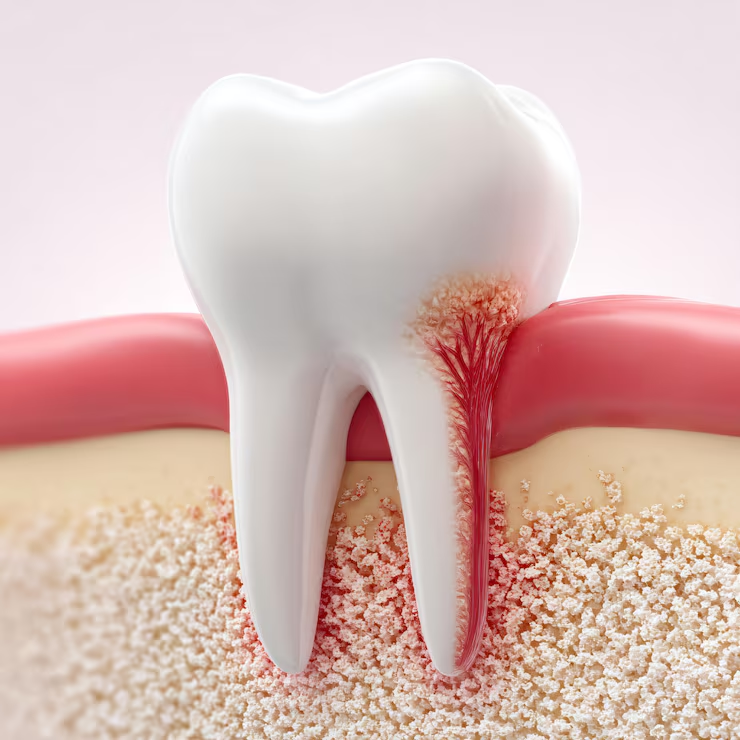
Once bacteria reach the pulp, inflammation develops. If the condition remains untreated, the pulp can become irreversibly damaged or die. Bacteria may then travel through the root canal system and reach the tissues surrounding the root tip.
This is how a relatively small dental problem can develop into a more serious infection.
Tooth Infection Symptoms That Should Not Be Ignored
Early symptoms are not always severe. Some patients experience occasional discomfort, while others notice changes in their gums or the taste in their mouth. Recognizing these warning signs can help prevent complications.
Common tooth infection symptoms include:
- Persistent toothache: Pain may feel constant, throbbing, or sharp. It can become worse when chewing or applying pressure.
- Sensitivity to hot and cold: A damaged or inflamed pulp may react strongly to temperature changes. Lingering sensitivity deserves dental evaluation.
- Pain when biting: Pressure around the root can make chewing uncomfortable.
- Bad taste or unpleasant breath: Pus draining from an infected area can produce a foul taste and persistent bad breath.
- Gum swelling: The gum around the affected tooth may become red, tender, or swollen.
- Pus formation: A small pimple-like bump on the gum can indicate an abscess.
- Facial or jaw swelling: Swelling can suggest that the infection is affecting surrounding tissues.
- Fever or general discomfort: These symptoms can indicate that the body is responding to a spreading infection.
Symptoms can vary depending on the location and severity of the problem. An infected tooth may sometimes stop hurting after the pulp dies. However, reduced pain does not confirm that the infection has cleared.
How an Infection Travels From the Tooth Root to Surrounding Tissues
A dental infection generally progresses through several stages. The speed of progression differs from person to person, depending on the source of infection, immune response, and access to treatment.
1. Bacteria Reach the Dental Pulp
The process often begins with untreated decay or a crack. Bacteria move through the tooth’s protective layers and reach the pulp, causing inflammation.
At this stage, patients may notice sensitivity, spontaneous pain, or discomfort that becomes worse at night.
2. The Pulp Becomes Damaged or Dies
If inflammation continues, the pulp may lose its ability to recover. The nerves and blood vessels inside the tooth become damaged, and the tissue may eventually die.
Bacteria can continue multiplying inside the root canal system even after the tooth stops producing the same level of pain.
3. Infection Develops Around the Root
Bacteria can move through the root tip into the surrounding bone and tissues. The immune system responds to the infection, which can lead to inflammation and pus formation.
An infection under tooth structures may develop into a periapical abscess, a pocket of pus near the root.
4. A Dental Abscess Forms
A dental abscess is a collection of pus caused by bacterial infection. It may develop near the root or within the surrounding gum tissues.
Patients can experience intense pain, pressure, swelling, and tenderness. Sometimes, the abscess drains through a small opening in the gum, temporarily reducing discomfort.
Drainage does not eliminate the underlying source of infection.
5. Infection Spreads Beyond the Tooth
Without appropriate treatment, bacteria can spread into nearby soft tissues, facial spaces, and other areas of the head and neck.
A swollen face from tooth infection can indicate that the condition has progressed beyond a localized problem. Severe cases may involve deep tissue infections and require emergency medical care.
Why a Dental Abscess Needs Prompt Treatment
An abscess is not simply a painful swelling that will disappear after a few days. It contains infected material that needs appropriate treatment.
The location of the abscess can influence the symptoms. A collection of pus near the root may cause pressure and pain when biting, while an infection involving the gum can produce localized swelling and tenderness.
An untreated dental abscess can lead to:
- Bone damage: Persistent infection around the root can damage the supporting jawbone.
- Spread into facial tissues: Bacteria can move into nearby spaces, causing more extensive swelling and inflammation.
- Difficulty chewing: Pain and swelling can make normal eating uncomfortable.
- Recurring infection: Symptoms may improve temporarily after drainage, but the original source can remain.
- Serious systemic complications: In rare cases, an infection can spread into deeper tissues or the bloodstream and become life-threatening.
A dental abscess requires urgent dental assessment. Waiting for the swelling to disappear on its own can allow the condition to worsen.
Why Antibiotics Alone May Not Cure a Dental Infection
Patients often expect antibiotics to clear an infected tooth. However, medication alone may not remove the source of the problem.
The American Dental Association (ADA) recommends prioritizing definitive dental treatment for many pulpal and periapical conditions rather than routinely prescribing antibiotics. Its clinical guidance explains that antibiotics offer limited benefit for many localized dental conditions when appropriate dental treatment is available.
The reason is related to where the bacteria are located. In an infected or dead pulp, bacteria can remain inside the root canal system. Antibiotics circulating through the bloodstream may not adequately eliminate this source, particularly when the affected pulp tissue has lost its blood supply.
Dentists may recommend treatments such as:
- Root canal treatment: Removes infected or damaged pulp tissue, cleans the root canal system, and seals it to help prevent reinfection.
- Abscess drainage: Allows trapped pus to escape and reduces pressure in the affected area.
- Tooth extraction: May be necessary when the tooth is too damaged to restore.
- Additional restorative treatment: A filling or crown may be required to protect the treated tooth.
Antibiotics for tooth infection may still be appropriate in selected situations, particularly when there are signs of systemic involvement, such as fever or malaise, or when a clinician identifies a spreading infection. They are generally prescribed alongside necessary dental treatment rather than as a replacement.
Never take leftover antibiotics or medication prescribed to another person. A dentist should determine the appropriate treatment based on an examination.
Which Treatment Can Stop the Infection From Spreading?
The correct treatment depends on the location of the infection, the condition of the tooth, and the extent of surrounding tissue damage.
| Dental condition | Common treatment | Main purpose |
|---|---|---|
| Decay that has not reached the pulp | Dental filling | Removes decay and restores the tooth |
| Infected or damaged pulp | Root canal treatment | Removes infected pulp and cleans the root canals |
| Localized dental abscess | Drainage and treatment of the source | Removes pus and controls the infection |
| Severely damaged or non-restorable tooth | Tooth extraction | Removes the infected tooth |
| Infection with systemic symptoms | Dental treatment and prescribed antibiotics when indicated | Addresses the source and controls spreading infection |
A root canal therapy can often save an infected natural tooth when enough healthy tooth structure remains. During the procedure, the dentist removes the damaged pulp, cleans and disinfects the canals, and seals the internal space.
If the tooth cannot be restored, extraction may provide a safer way to remove the source. The dentist will assess the surrounding tissues and discuss suitable replacement options when needed.
When Does Swelling From a Tooth Infection Become an Emergency?
Facial swelling should never be dismissed as an ordinary toothache symptom. Swelling around the cheek, jaw, or under the chin can indicate that bacteria have spread into surrounding tissues.
Seek urgent dental care if you experience:
- Increasing cheek or jaw swelling.
- Severe or persistent tooth pain.
- Pus or a foul-tasting discharge.
- Fever or swollen lymph nodes.
- Difficulty opening your mouth.
- Pain or swelling that continues to worsen.
Go to an emergency department immediately if you experience difficulty breathing, swallowing, or speaking, or swelling around the eye or neck. These symptoms can indicate a serious spreading infection that needs immediate medical attention.
Do not wait for a regular dental appointment when breathing or swallowing is affected.
What Can You Do While Waiting for Dental Treatment?
Home care cannot remove the source of an established dental infection, but a few measures may help manage discomfort until professional treatment is available.
- Maintain gentle oral hygiene: Brush carefully and clean between the teeth without irritating the swollen area.
- Rinse with warm salt water: A gentle rinse may help keep the mouth clean. Avoid using water that is too hot.
- Choose soft foods: Eat foods that require minimal chewing and avoid biting with the affected tooth.
- Use appropriate pain relief: Over-the-counter pain medication may help when used according to its label and your medical circumstances.
- Avoid applying heat directly: Do not place hot compresses against facial swelling.
- Arrange a dental examination: Do not postpone treatment simply because the pain temporarily improves.
Avoid squeezing an abscess or attempting to drain it yourself. These actions can injure surrounding tissues and delay proper treatment.
How Hamilton Dental Group Can Help Prevent Dental Complications
Recognizing the source of an infection is essential for choosing the right treatment. A dental examination may include checking the affected tooth, evaluating the gums, testing sensitivity, and taking dental X-rays to assess the root and surrounding bone.
At Hamilton Dental Group, treatment recommendations are based on the condition of the affected tooth and the extent of the infection. Early intervention can help preserve natural teeth, reduce discomfort, and prevent avoidable complications.
Regular dental checkups also help identify cavities, damaged restorations, and gum problems before they develop into more serious concerns.
Frequently Asked Questions
1. Can a small tooth infection spread to other parts of the body?
Yes. An untreated infection can spread from the tooth root into nearby gum tissue, facial spaces, and deeper tissues of the head and neck. In rare cases, bacteria can enter the bloodstream and cause serious complications. Early dental treatment reduces these risks.
2. How do I know if my tooth infection has reached the jawbone?
Persistent tooth pain, tenderness when biting, gum swelling, and pus formation can indicate infection around the root and nearby bone. However, these symptoms alone cannot confirm bone involvement. A dental examination and X-rays may be needed to assess the affected area.
3. Can a tooth infection go away without treatment?
An established bacterial infection inside a tooth or an abscess generally does not resolve permanently without appropriate treatment. Pain may decrease if the pulp dies or an abscess drains, but the source of infection can remain and cause further complications.
4. Do antibiotics for tooth infection stop the pain?
Antibiotics are not painkillers and do not directly remove infected pulp tissue. They may be prescribed when an infection is spreading or systemic symptoms are present. Definitive dental treatment is usually needed to address the source.
5. How long can you leave an infected tooth untreated?
There is no safe waiting period for an infected tooth. The condition can worsen unpredictably, and symptoms may not reflect the full extent of the problem. Seek prompt dental evaluation, particularly if you notice swelling, pus, fever, or worsening pain.
6. Does a dental abscess always require a root canal?
No. Root canal treatment is often suitable when the tooth can be saved, but some teeth are too damaged to restore. Depending on the findings, treatment may involve drainage, root canal therapy, or extraction.
7. Is facial swelling from a tooth infection dangerous?
Yes, facial swelling can indicate that infection has spread into surrounding tissues. It requires urgent dental evaluation. Swelling accompanied by difficulty breathing or swallowing, or swelling around the eye or neck, requires immediate emergency medical care.
Protect Your Oral Health Before a Small Problem Gets Worse
A minor cavity or damaged tooth can develop into a serious dental problem when bacteria reach the pulp and spread into the surrounding tissues. Persistent pain, sensitivity, gum swelling, pus, and facial swelling are signs that deserve prompt attention. Waiting for symptoms to disappear or relying on medication alone can leave the underlying source untreated.
Early diagnosis and appropriate dental care can help control the infection, protect surrounding structures, and preserve natural teeth whenever possible. If you notice signs of an infected tooth, make an appointment with us for an examination and appropriate treatment. Taking action early can prevent a manageable dental concern from becoming a much more complicated health problem.